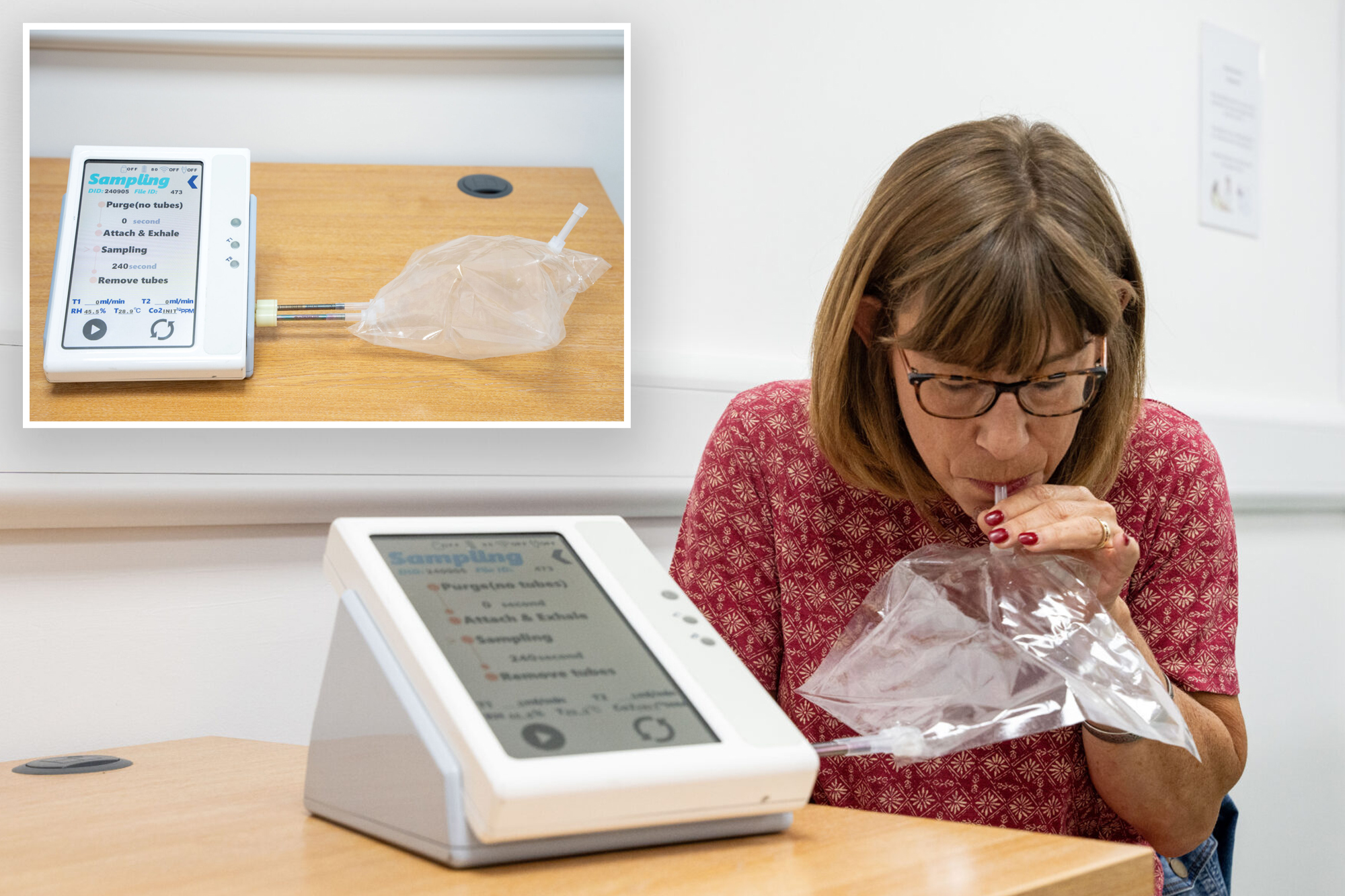
A groundbreaking breath test has the potential to transform early detection methods for pancreatic cancer, marking a significant advancement in the battle against this often-fatal disease. The test is currently being evaluated through a large-scale clinical trial in the United Kingdom, known as the VAPOR study, which aims to involve around 6,000 patients across 40 locations in Scotland, Wales, and England.
Led by Imperial College London in collaboration with the nonprofit organization Pancreatic Cancer UK, the trial hopes to provide a reliable method for identifying pancreatic cancer at earlier stages. “The breath test has the potential to revolutionize the early detection of pancreatic cancer,” stated Diana Jupp, CEO of Pancreatic Cancer UK. She emphasized that this initiative represents the most significant step toward a lifesaving breakthrough in 50 years.
The innovation behind this breath test lies in its ability to detect Volatile Organic Compounds (VOCs) released in the breath, which could indicate the presence of cancer. This method is particularly important given the challenges associated with diagnosing pancreatic cancer early. The symptoms, such as back pain, indigestion, nausea, fatigue, and bloating, are frequently dismissed as common ailments. As a result, over 60% of cases reach Stage 4 before diagnosis, leading to grim prognoses where most patients face survival rates of mere months to a year.
According to the American Cancer Society, approximately 67,440 individuals in the United States are projected to be diagnosed with pancreatic cancer in 2025, with an estimated 52,000 deaths caused by the disease. In the UK, around 10,500 cases are diagnosed annually, with more than half of patients succumbing within three months of diagnosis.
The lifetime risk of developing pancreatic cancer is about 1 in 56 for men and 1 in 60 for women, with various risk factors contributing to its incidence. These include body weight, uncontrolled diabetes, smoking, and diets high in red meats and sugary drinks. Genetic predispositions, age, and gender also play critical roles in an individual’s risk profile.
As the VAPOR study progresses, hopes are high that this innovative breath test will provide a new avenue for early detection, ultimately improving survival rates for those affected by pancreatic cancer. The implications of such a breakthrough could reshape the landscape of cancer diagnostics and care, offering new hope to patients and families facing this formidable challenge.