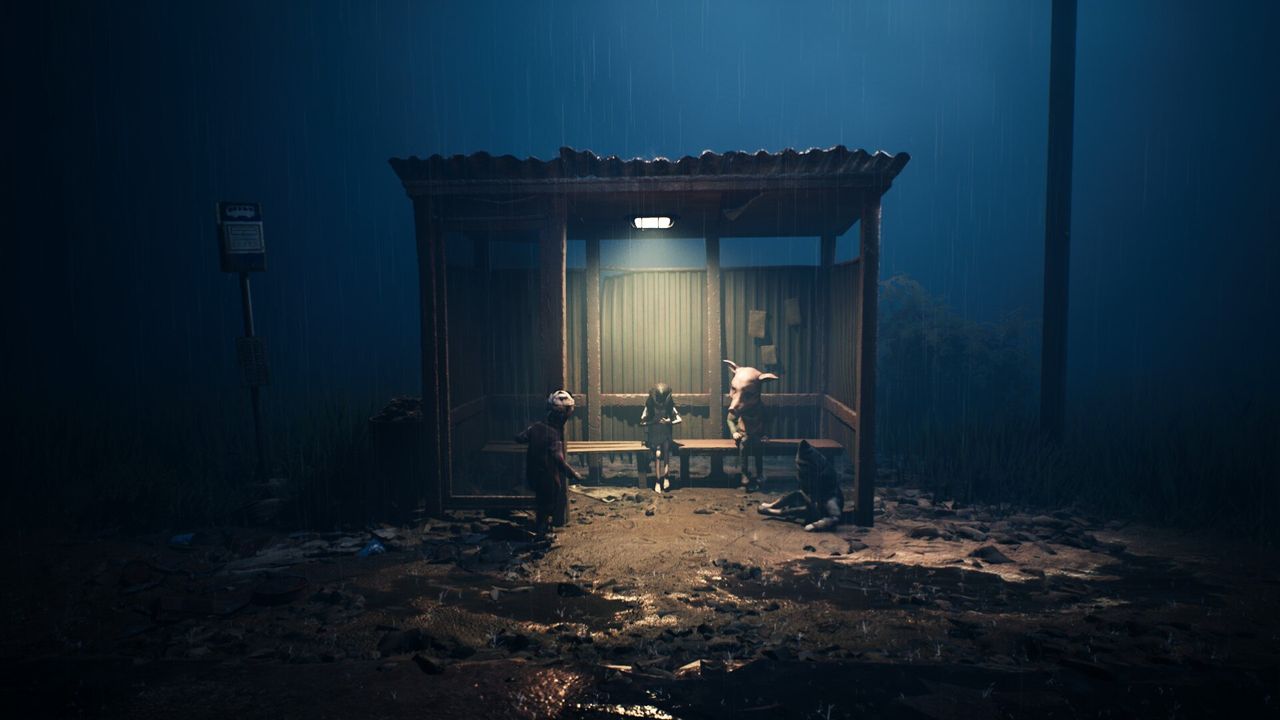
The upcoming survival horror game, Reanimal, is set to release on February 13, 2026, and comes from the creators of the critically acclaimed Little Nightmares. Developed by Tarsier Studios and published by THQ Nordic, the game offers a darker, more unsettling experience, departing from the whimsical elements of its predecessor.
Players will embark on a harrowing journey as they control a brother and sister duo in a post-apocalyptic world filled with grotesque creatures and haunting landscapes. The game unfolds on a wartorn island, where players seek to rescue three friends from an unknown fate. The narrative remains ambiguous, leaving players questioning the circumstances leading to their friends’ disappearance and the island’s desolation.
The initial gameplay experience immerses players in a shadowy environment, evoking a sense of dread as they navigate through dilapidated towns and industrial wastelands. The fixed 3D camera perspective draws inspiration from classic survival horror games, enhancing the ominous atmosphere and allowing for striking visual storytelling. The island, painted in grayscale tones, serves as a backdrop for the duo’s exploration, with its desolate beauty juxtaposed against the horrors lurking within.
Gameplay Mechanics and Design Choices
While Reanimal adheres to the familiar gameplay mechanics established in Little Nightmares, it introduces new elements that shift the focus towards visuals and ambiance. Players will encounter a series of puzzles and stealth challenges, though many aspects feel secondary to the overall imagery and atmosphere. The puzzles often lack complexity, relying on collaboration rather than intricate design, which may leave players yearning for more engaging problem-solving experiences.
Encounters with towering adversaries are a hallmark of the gameplay, with tension building through incremental reveals of these monstrous foes. Players will find themselves in chase sequences that require quick reflexes and memorization of pathways, reminiscent of the genre’s classic tropes.
Despite occasional frustrations with camera control, especially during dinghy segments, the game largely succeeds in captivating players with its unsettling visuals. The artwork captures a range of themes—from domesticity to wartime devastation—creating a rich tapestry of imagery that invites exploration.
Narrative Depth and Thematic Exploration
The storytelling in Reanimal reflects a departure from conventional horror tropes. Tarsier Studios emphasizes a bleak, impressionistic narrative style, steering clear of excessive exposition and gore. The protagonists’ dialogue is minimal, adding to the sense of isolation and despair. One poignant moment occurs when one character asks, “Do you know why we’re here?” to which the other responds with a resigned, “No idea.”
This approach to storytelling challenges players to engage with the game’s themes of survival and trauma in a more nuanced way. The island itself serves as a character, embodying the remnants of unthinkable atrocities and a pervasive sense of madness. As players traverse its landscape, they are confronted with the psychological toll of their surroundings, enhancing the immersive experience.
Ultimately, Reanimal offers a haunting exploration of its themes, though some critics may argue that its gameplay lacks the depth necessary to fully engage players. Nevertheless, the combination of striking visuals and a compelling atmosphere ensures that the game remains an intriguing addition to the survival horror genre.
As the release date approaches, expectations are high for Tarsier Studios’ latest endeavor. With its blend of chilling aesthetics and ambiguous storytelling, Reanimal promises to deliver a disturbing experience that lingers long after the screen fades to black.