Stephen King’s literary universe is renowned for its intricate connections, bringing together a tapestry of characters and settings that span numerous novels and adaptations. Central to this universe is the enigmatic figure of Randall Flagg, a character who appears in various forms across King’s works, including The Stand and It. This article delves into the significance of Flagg within King’s oeuvre and examines the recent spotlight on his character through adaptations and performances.
Randall Flagg: The Faceless Menace
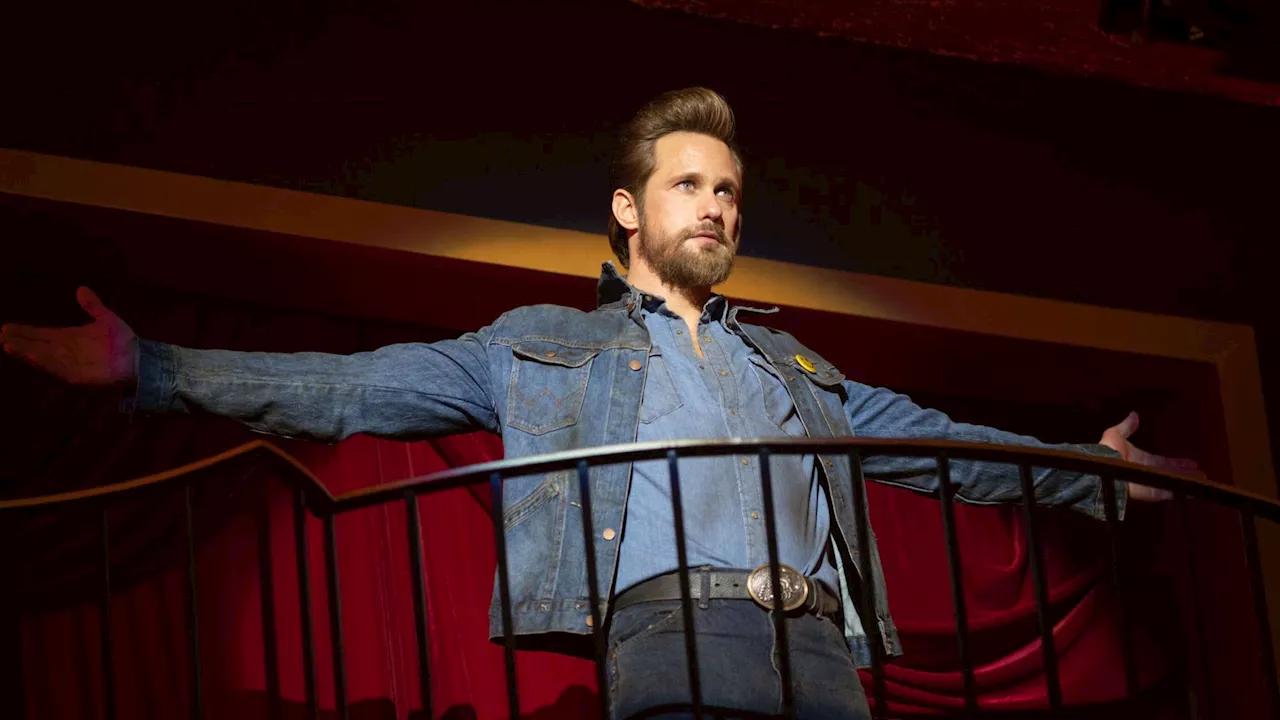
Flagg serves as a recurring antagonist, often embodying chaos and malevolence. He first emerged in The Stand, where he is portrayed as a demonic figure leading survivors in a post-apocalyptic world. His character is often described as a manifestation of evil, with the ability to manipulate and control others. King’s ability to weave Flagg into different narratives highlights the interconnectedness of his stories, creating a cohesive universe that captivates readers.
In addition to his role in The Stand, Flagg appears in other works, including the Dark Tower series, where he is presented as a more complex character. This multi-faceted portrayal adds depth to Flagg, allowing readers to explore various interpretations of his persona. The character’s variability has sparked discussions among fans and scholars alike, prompting analyses of his motivations and the underlying themes within King’s narratives.
The exploration of Flagg’s character has also gained renewed attention due to recent adaptations. Notably, the unreleased performance by Jasper Pääkkönen in a new adaptation has generated significant interest. Pääkkönen, known for his roles in films like BlacKkKlansman and the series Vikings, brings a unique interpretation to the character, which many anticipate will resonate with a modern audience. This performance is viewed as a chance to further humanize Flagg while retaining his menacing essence.
Adapting King’s Universe
The adaptations of King’s work have not only introduced Flagg to new audiences but have also reinforced the complexity of his character. Each rendition brings its own flair, showcasing the versatility of King’s writing and the depth of his characters. As adaptations continue to emerge, such as the forthcoming series based on The Dark Tower, the discussion surrounding Flagg’s role and significance in these narratives will likely intensify.
Fans and critics alike anticipate how future adaptations will explore the character’s evolution and impact. The success of these projects often hinges on the portrayal of iconic figures like Flagg, making casting choices crucial. As the entertainment industry continues to adapt King’s work, the legacy of Randall Flagg remains a focal point for understanding the broader implications of King’s interconnected universe.
In conclusion, the character of Randall Flagg serves as a linchpin in Stephen King’s vast literary landscape. His multifaceted nature and the ongoing adaptations of King’s works ensure that the discussion around Flagg will persist. As audiences await new interpretations, the allure of King’s interconnected universe continues to captivate and inspire generations of readers and viewers.