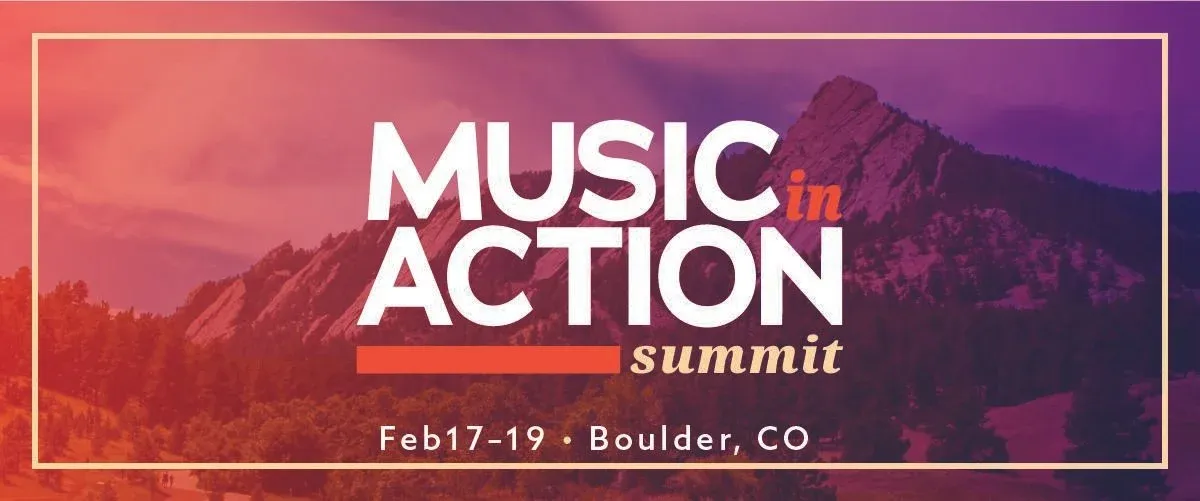
More than 50 owners and operators of independent live music venues convened in Boulder, CO, for the Live Music Society’s Music In Action Summit, aimed at empowering the small venue community. This event brought together a diverse group of stakeholders, from established venues like Nick Forester’s E-Town in Boulder and One Longfellow Square in Portland, ME, to newer entrants such as Drkmttr Collective in Nashville. The summit served as a platform for sharing insights, addressing common challenges, and fostering connections among venue operators.
The gathering featured notable figures including Phil Ciganer from the Town Crier in Beacon, NY, and Val Denn, a booking agent and LMS board member. Participants also included Mehmet Dede and Serdar Ilhan, owners of Drom in New York City, alongside local inspirations like Dylan Locke and Heather Krantz from the Floyd Country Store in Virginia. The atmosphere was charged with a shared passion for live music, a sentiment echoed by many in attendance.
The primary goal of the summit was to address the pressing issues facing small venues, which often operate on slim profit margins. According to a recent study by the National Independent Venue Association (NIVA), 65% of independent venues reported losses in the previous year. The overarching message was clear: operators do not enter this field for financial gain but out of a love for music.
Rising Costs
Among the major topics discussed were the rising operational costs that threaten the sustainability of these venues. Participants voiced concerns over increased expenses related to staffing, rent, and insurance—issues that have become more pronounced in recent years.
Competition from larger organizations such as Live Nation and AEG also poses significant challenges. Small venues not only compete against these corporate giants but also face pressure from one another. Insights from Olivia Jones, a MIDiA Research analyst, and Chris Cardillo, Head of Music Partnerships at Eventbrite, highlighted the importance of positioning venues as safe and inviting spaces for diverse communities. They noted that creating unique experiences, such as themed events and community gatherings, can help smaller venues attract new audiences.
Innovative Revenue Strategies
As traditional revenue streams like ticket and bar sales face difficulties, venues must explore alternative options to remain financially viable. A TSE Entertainment analysis indicated that venues increasingly need to diversify their income sources. Many operators shared strategies to optimize drink sales through better pricing and inventory management.
Additionally, venues such as the Songbyrd Music House in Washington, D.C., are tapping into various revenue streams, including memberships, VIP experiences, sponsorships, and merchandise. The creative menu at establishments like Happy Dog in Cleveland exemplifies how food offerings can supplement income.
The summit also explored the distinctions between non-profit and for-profit venues. While the Live Music Society provides support to both, many attendees expressed interest in switching business structures to better access funding and simplify IRS reporting.
Challenges in Audience Engagement
Reaching audiences and selling tickets is becoming increasingly challenging for live music venues. Shifting social media algorithms mean that less than 10% of a venue’s followers may see their posts, complicating promotional efforts. Traditional media outlets have also diminished in impact, leaving venues to rely on email marketing as one of the most effective channels.
Participants discussed the potential of SMS and WhatsApp as supplementary tools for communication. Successful case studies from venues like Drom and B-Side Lounge demonstrate how automated marketing platforms like Bandsintown PRO can enhance outreach efforts.
The Power of Community
Throughout the summit, the significance of community emerged as a central theme. Music venues rely heavily on dedicated fans to advocate for their events and support ticket sales. Non-profit venues, in particular, benefit from volunteer support and donations. Partnerships with local organizations and educational institutions can help broaden their reach and attract new audiences.
The summit also aimed to cultivate a network of small music venues that support each other. The palpable enthusiasm among attendees suggests that this year’s Music In Action Summit has successfully initiated a collaborative movement among venue leaders. This growing network promises to amplify the impact of past and future Live Music Society grants, ultimately fostering a more resilient live music ecosystem.