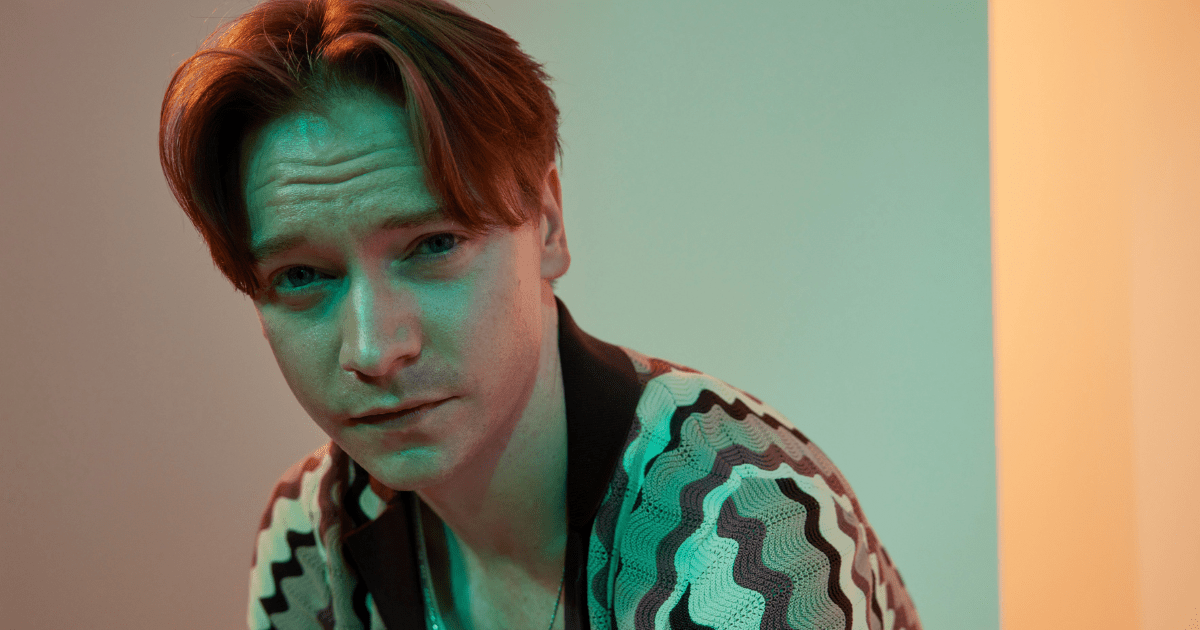
Reality television contestant Rob Rausch emerged as the winner of Season 4 of The Traitors, leading to a significant discussion about the implications of his gameplay strategies, particularly concerning gender dynamics. The finale aired on February 27, 2024, on Peacock, culminating in a dramatic turn of events where Rausch, acting as a Traitor, betrayed his fellow contestant Eric Nam and ally Maura Higgins to secure the entire prize pot for himself. This shocking outcome left viewers and critics alike questioning the ethical dimensions of his win.
Rausch’s approach involved emotional manipulation, which some observers have suggested reflects deeper societal issues regarding male behavior and the patriarchal structures that may reward such tactics. The concept of “pretty privilege” surfaced prominently in discussions about Rausch’s strategy. This term describes the advantages individuals deemed conventionally attractive may enjoy, including assumptions of greater intelligence and trustworthiness. Fellow contestant Lisa Rinna highlighted this phenomenon in a TikTok video, remarking on how Rausch’s looks may have influenced interactions during the competition. Rinna noted, “I think the reason why I can look right at him and talk to him… is because I’m used to it,” implying that some contestants might have felt intimidated by Rausch’s charm.
In post-show interviews, Rausch responded to inquiries regarding his physical appearance and its potential impact on his gameplay. In a discussion with InterviewMag, he contended that his success stemmed from strategic decisions rather than his looks, stating, “If you put another guy that looked exactly like me in the exact same scenario… they would’ve been out of the show. It definitely didn’t win me the game.”
Despite his defense, many viewers have expressed concern over the nature of his win, particularly regarding the normalization of male manipulation in competitive settings. Maura Higgins, one of Rausch’s closest allies during the game, voiced her perspective in an interview with Vulture. She suggested that had their roles been reversed, the audience reaction would have been markedly different, stating, “If the tables had turned and I was the Traitor and he was the Faithful, I guarantee the audience would be hating on me… they’d be all crying, ‘Poor Rob.'”
Social media has amplified these discussions, with users like @kait.don sharing critical insights on Rausch’s tactics. In an Instagram post, she argued that his gameplay exploited traditional gender roles, framing him as a “steady, strong, trustworthy man” to gain trust from Higgins. She expressed concern that applauding such manipulation without critique reinforces existing patriarchal norms, writing, “If winning requires exploiting gendered conditioning… we’re reinforcing the script inside it.”
The response to Rausch’s victory highlights broader societal issues regarding gender dynamics, manipulation, and the ways in which entertainment reflects and shapes cultural norms. As viewers continue to engage with the implications of his gameplay, the conversation may serve as a catalyst for deeper reflections on how society perceives and rewards certain behaviors, particularly in competitive environments.
As the debate unfolds, it remains clear that Rausch’s victory is not merely a personal achievement but a focal point for critical discussions on feminism, privilege, and the ethics of competition in reality television.