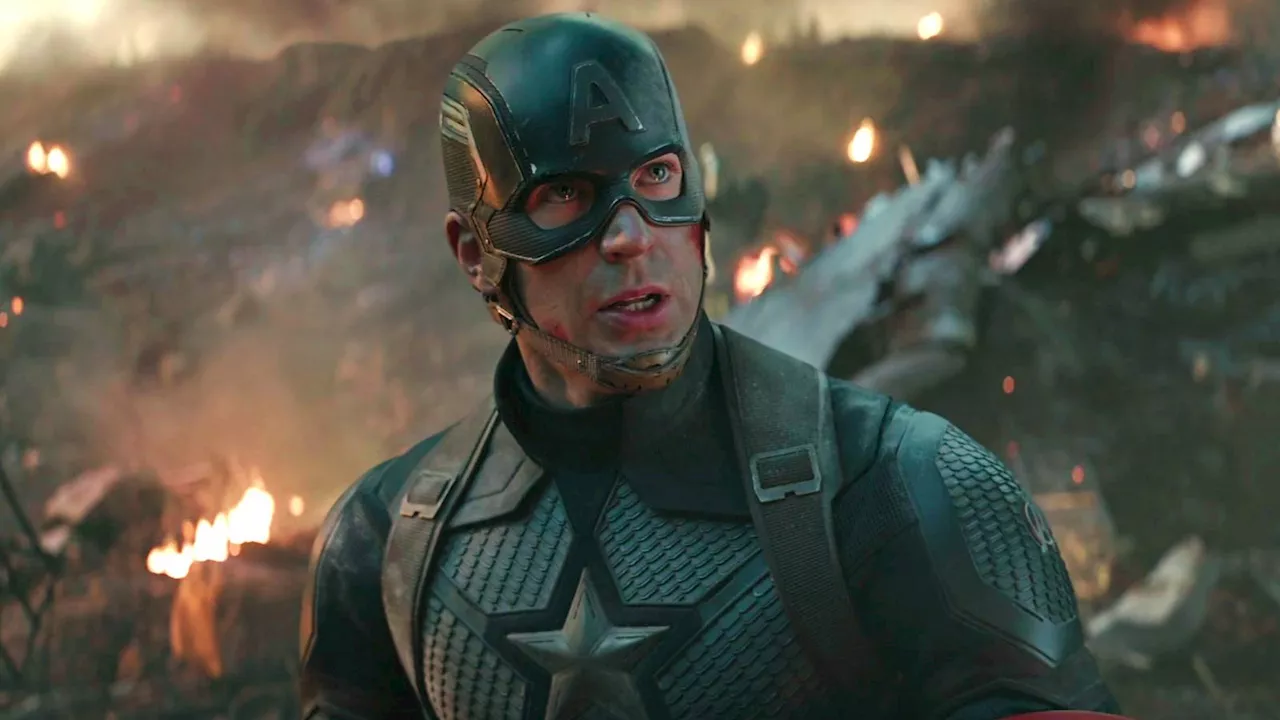
The superhero genre has witnessed immense financial success, with 15 films crossing the remarkable threshold of $1 billion at the box office. This achievement highlights not only the popularity of these films but also raises questions about their quality and impact within the cinematic landscape. While box office earnings do not always equate to artistic merit, the films that have reached this financial milestone often represent some of the most celebrated entries in this genre.
Exploring the Billion-Dollar Films
The list begins with a mix of both Marvel and DC productions, showcasing the strength of both franchises. Notably, Avengers: Endgame stands as a titan, grossing an astonishing $2.7 billion. This film serves as a culmination of over a decade of interconnected storytelling, drawing together various characters and story arcs from the Marvel Cinematic Universe. Audiences responded overwhelmingly to its emotional stakes and grand scale, solidifying its place in cinematic history.
In contrast, The Dark Knight offers a different kind of impact. Released in 2008, it remains a benchmark for superhero films, blending a gripping narrative with profound themes. With its critical acclaim and box office success, it has influenced the genre’s direction, demonstrating how a superhero movie can transcend traditional boundaries.
Another significant entry is Black Panther, which garnered over $1.3 billion. This film not only showcased the richness of African culture but also marked a pivotal moment in representation within the superhero genre. Directed by Ryan Coogler and featuring a predominantly Black cast, it resonated with audiences globally, emphasizing the importance of diverse storytelling.
The Competitive Landscape of Superhero Films
Not all billion-dollar films share equal acclaim. For example, Avengers: Age of Ultron, while commercially successful, has faced criticism for its execution and pacing. Released in 2015, it still plays a crucial role in the MCU, introducing pivotal characters and setting the stage for future conflicts. Despite its mixed reviews, it remains an integral part of the franchise.
On the other hand, Spider-Man: No Way Home brilliantly revived nostalgia by integrating previous Spider-Man actors into its storyline. This film cleverly navigated the multiverse concept, appealing to long-time fans and newcomers alike. Its success speaks to the power of legacy and continuity in the superhero narrative.
Similarly, Aquaman distinguished itself as the only film in the DC Extended Universe to surpass the billion-dollar mark, achieving $1.15 billion. Its unique underwater setting and vibrant visual style provided a fresh take on the superhero formula, attracting audiences looking for innovation in storytelling.
The diversity of themes and styles among these blockbuster films illustrates the evolving landscape of superhero cinema. From the character-driven narratives of Joker, which explores the complexities of its titular character, to the action-packed escapades of Iron Man 3, each film contributes to the broader tapestry of the genre.
As superhero films continue to dominate box offices, their impact on culture and film-making practices cannot be overlooked. The balance between commercial success and critical acclaim remains a delicate dance, one that filmmakers will likely continue to navigate in the years to come.
As audiences anticipate future releases, the lessons learned from these billion-dollar films will undoubtedly shape the next wave of superhero storytelling, promising more engaging and diverse narratives for fans worldwide.