The 2000s marked a transformative period for the X-Men comics, introducing several key developments that reshaped Marvel’s mutant universe. While the X-Men had previously dominated sales in the 1980s and 1990s, the new millennium brought both challenges and innovations. This decade saw significant shifts in character dynamics, storylines, and the overall direction of the franchise, laying the groundwork for future narratives.
Shifting Relationships: Cyclops and Emma Frost
One of the most notable changes during this era was the evolving relationship between Cyclops and Emma Frost. Traditionally paired with Jean Grey, Cyclops faced a dramatic shift when Jean died in *New X-Men* #150. This event set the stage for Cyclops and Frost to form a complex and powerful partnership. Their collaboration not only redefined Cyclops as a leader but also established Emma as a vital player in mutant affairs. Together, they navigated the challenges facing mutants, demonstrating a dynamic that resonated with readers and redefined the X-Men’s foundational relationships.
The Return of Peter David’s X-Factor
Another significant development was the revival of *X-Factor*, under the guidance of writer Peter David. Originally a successful series in the 1980s and 1990s, David’s return brought a fresh perspective. He transformed the team into a mutant detective agency, shifting its focus from government-sponsored missions to addressing mutant-related mysteries. This change reinvigorated the series, allowing characters like Multiple Man, Wolfsbane, and Rictor to shine in new ways. The *X-Factor* (Vol. 3) series emerged as one of the standout titles of the decade, showcasing some of the best storytelling within the X-Men franchise.
The mid-2000s also marked a pivotal moment in X-Men history as the X-Mansion, the team’s long-standing home, was destroyed in *X-Men* (Vol. 2) #200. This destruction signified a departure from the team’s traditional safe space and forced mutants to face an increasingly hostile world. The loss of the X-Mansion not only created a narrative shift but also symbolized the vulnerabilities of the mutant community, leading to compelling story arcs that explored themes of survival and resilience.
The introduction of *Astonishing X-Men* (Vol. 3) further exemplified the decade’s innovations. Following the departure of Grant Morrison, writers Joss Whedon and artist John Cassaday launched a 25-issue run that captured the attention of both new and longtime fans. This series became a flagship title for Marvel, combining compelling narratives with stunning artwork. The success of *Astonishing X-Men* not only solidified its place in comic book history but also set the stage for future collaborations that would shape the X-Men’s trajectory.
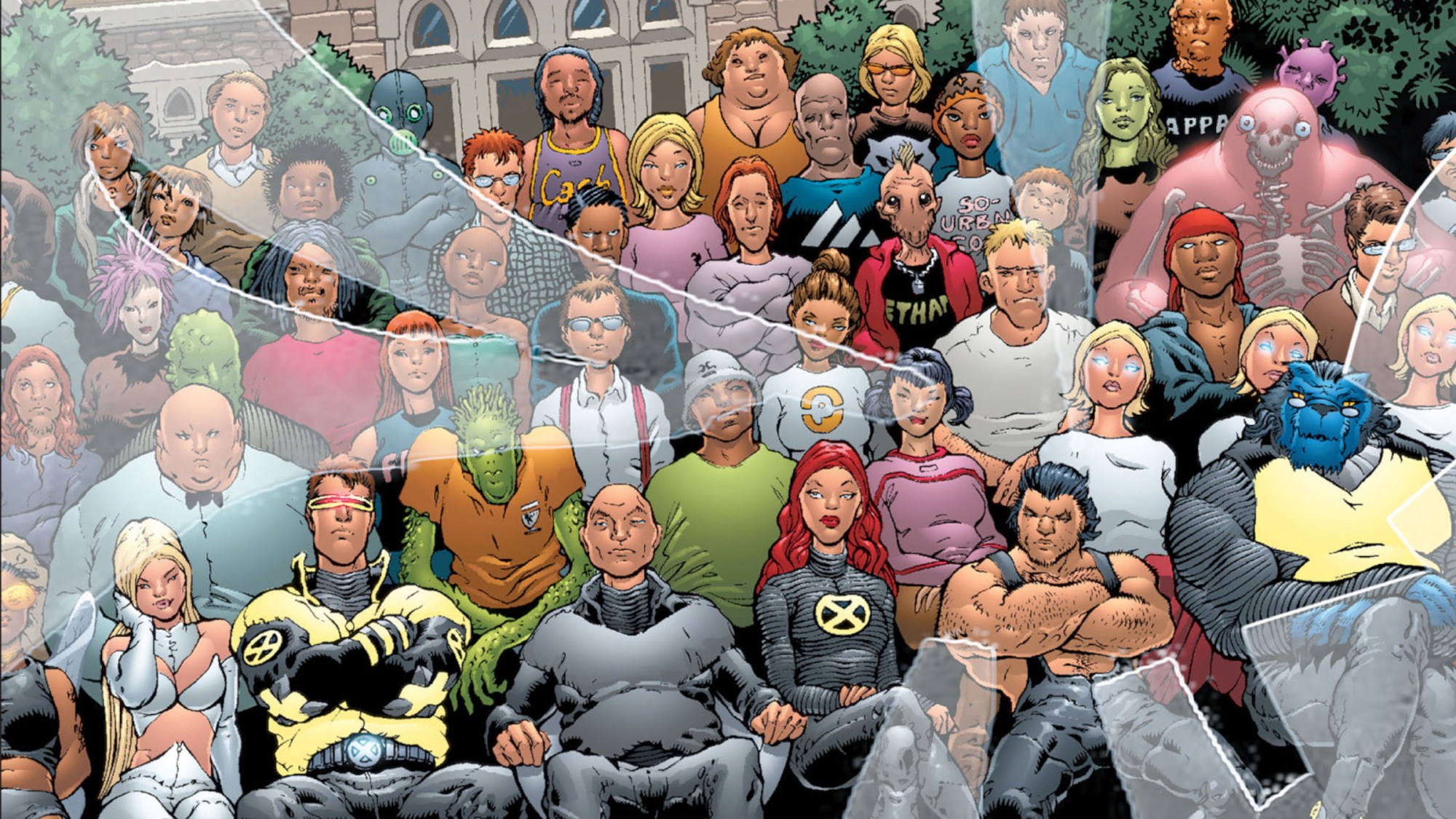
The crowning achievement of the decade arguably came from Morrison’s influential run in *New X-Men*. This series redefined the team and introduced innovative concepts that would resonate throughout the X-Men’s history. Collaborating with artists such as Frank Quitely and Chris Bachalo, Morrison revitalized the franchise, exploring complex themes and character development. The implications of this run can be seen in subsequent storylines, including the Krakoa Era and the Utopia Era, illustrating its lasting impact on the X-Men legacy.
Readers looking back at the 2000s X-Men comics will find a decade filled with transformative ideas and character developments. From the reshaping of relationships to the introduction of groundbreaking storylines, this era set the stage for future explorations in the Marvel universe. As fans continue to engage with the evolving narratives of the X-Men, the innovations of the 2000s remain a critical part of the franchise’s enduring appeal.