The film Brokeback Mountain, directed by Ang Lee, continues to resonate deeply with audiences, highlighting themes of love and loss two decades after its release. Originally premiering on September 2, 2005, at the Venice Film Festival and later in theaters on December 9, 2005, the film has become a cultural touchstone, exploring the complexities of a same-sex relationship in a repressive society.
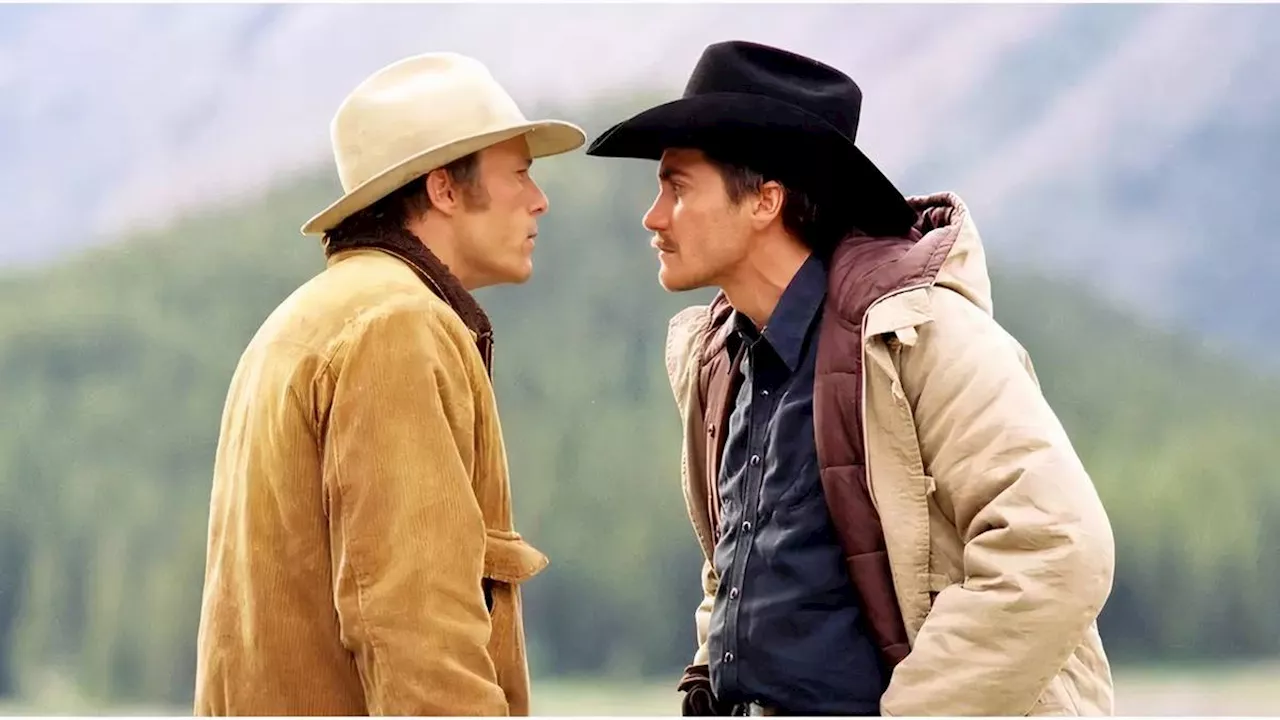
At the heart of the film is the passionate yet tumultuous relationship between two cowboys, Jack Twist and Ennis Del Mar, portrayed by Jake Gyllenhaal and Heath Ledger, respectively. Their initial encounter in the vast landscapes of Wyoming in 1963 sets the stage for a love that is both tender and fraught with societal constraints. The film opens with a raw depiction of their first sexual encounter, showcasing a blend of aggression and yearning, rather than traditional romance. This moment encapsulates their struggle against the rigid expectations of American masculinity and their own internal conflicts.
Over the years, Jack and Ennis meet intermittently, often in secluded locations, as they navigate their feelings in a world that demands suppression. Their relationship evolves amidst the backdrop of traditional lives; Ennis marries Alma, played by Michelle Williams, while Jack enters into a relationship with Lureen, a rodeo queen. Despite their marriages, the emotional and physical connection they share remains a potent force, leading to moments of both joy and heartbreak.
The film’s narrative structure is notable for its manipulation of time and space, with editors Geraldine Peroni and Dylan Tichenor creating a sense of isolation around the protagonists. Much of the story unfolds in shared moments, where dialogue is sparse, and emotions are conveyed through glances and gestures. This approach emphasizes the depth of their bond, illustrating how love can flourish even in silence.
Critics have praised Brokeback Mountain for its groundbreaking portrayal of queer relationships. Adapted from Annie Proulx‘s short story, the film delves into the internalized struggles faced by its characters, rather than solely focusing on societal homophobia. It highlights the fear and confusion that often accompany suppressed identities, particularly through Ledger’s portrayal of Ennis, a man grappling with his true self.
The film’s impact was felt immediately, despite facing challenges at the Academy Awards in 2006. Many believed its nomination for Best Picture was overshadowed by the more conventional narrative of Crash, which won the award. Nonetheless, Brokeback Mountain secured three Oscars, including Best Director for Lee and Best Adapted Screenplay, and garnered critical acclaim worldwide. It grossed nearly $180 million against a budget of only $14 million, demonstrating its commercial success as well.
The performances by Ledger and Gyllenhaal are especially noteworthy. Ledger’s portrayal of Ennis, a character marked by emotional repression, captures the essence of a man whose identity is at odds with societal expectations. Gyllenhaal’s Jack is portrayed with a mix of vulnerability and strength, embodying the struggle of wanting to break free from societal norms yet feeling tethered to them.
As audiences revisit Brokeback Mountain today, the film’s legacy continues to grow, particularly in light of Ledger’s untimely passing in 2008. His performance gains even greater poignancy, as viewers reflect on the depth of his talent and the roles he could have taken on in the years that followed.
The film’s cinematography, guided by Rodrigo Prieto, further enhances its emotional weight. The sweeping vistas of the American West serve as a backdrop to the characters’ tumultuous journey, evoking a sense of both freedom and confinement. The haunting score by Gustavo Santaolalla underscores the film’s exploration of love and loss, adding an additional layer of emotional resonance.
In conclusion, Brokeback Mountain remains a landmark film that transcends its contemporary context. It invites viewers to reflect on the broader themes of love, identity, and societal expectations. As it celebrates its 20th anniversary, the film continues to find relevance in discussions about LGBTQ+ representation and the complexities of human relationships. Its ability to evoke empathy and understanding ensures its place in cinematic history, inspiring new generations to confront the challenges of love in an imperfect world.