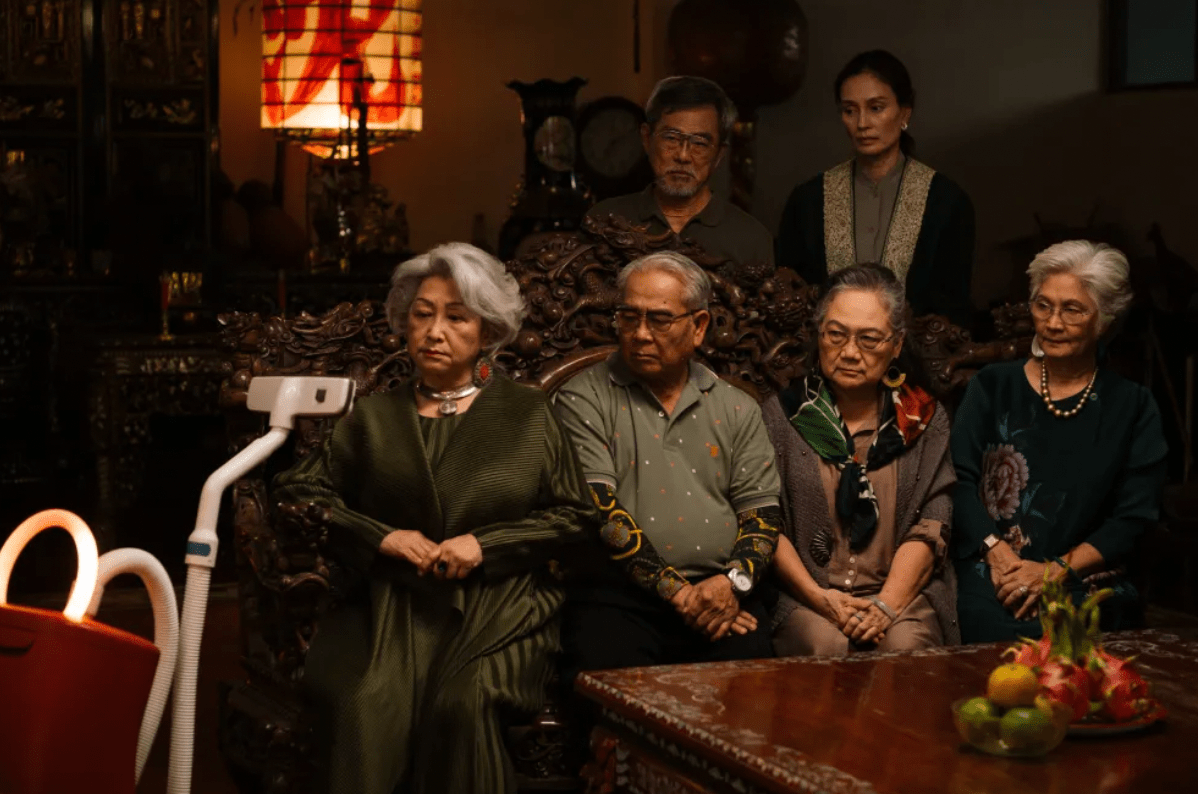
The Brazilian political thriller The Secret Agent has garnered significant acclaim for its portrayal of life under an authoritarian regime. Directed by Kleber Mendonça Filho, the film intertwines brutality with empathy, immersing audiences in the challenges faced by its protagonist, Armando Solimões, played by Wagner Moura. Set against the backdrop of Brazil’s military dictatorship, the film has been nominated for four Academy Awards, including Best Picture and Best Actor for Moura.
Moura’s character, an academic escaping government oppression, transforms his identity to Marcelo Alves as he navigates life in Recife during the oppressive 1970s. The film’s nearly three-hour runtime is justified by its intricate narrative, although some viewers might find its pacing slow as the plot unfolds. Despite this, the film’s destination delivers a powerful emotional impact that resonates deeply.
Visual Mastery and Thematic Depth
Filho’s direction is complemented by remarkable cinematography from Evgenia Alexandrova. The film employs innovative techniques, including split-diopter shots that visually represent emotional distances, particularly between Alves and his estranged son. Such choices not only enhance the storytelling but also evoke the film’s neo-noir aesthetic.
The narrative structure reflects influences from the New Hollywood movement, reminiscent of the morally complex tales crafted by directors like Martin Scorsese and Brian De Palma. The film invites viewers to grapple with ethical ambiguities, as Alves must align himself with a corrupt police chief to survive, illustrating the moral compromises required in a brutal society.
Moreover, classic films from the 1970s, such as Steven Spielberg’s Jaws, play a metatextual role within the story, highlighting the contrast between the stoic male heroes of that era and the multidimensional characters in The Secret Agent. Filho allows his characters to confront their emotions, offering a nuanced perspective on life under an authoritarian regime.
Personal Narratives and Political Context
Moura’s performance is a standout, capturing both the resilience and vulnerability of his character. His portrayal of Alves reveals layers of emotional complexity, particularly in flashbacks showcasing the character’s life before oppression. These moments underscore the stark transition from confidence to fear, amplifying the film’s impact.
The narrative also incorporates contemporary elements, as it includes scenes featuring Flavia, a historian who listens to recordings of Alves, now presented to his adult son, Fernando—also played by Moura. This temporal interplay invites audiences to reflect on how history shapes identity and informs current realities.
Filho has stated that the film’s political themes resonate with contemporary issues in Brazil, where the nation has faced democratic backsliding. The storyline compels viewers, through Flavia’s journey, to confront their understanding of the past.
Ultimately, The Secret Agent suggests that engaging with history requires personal reflection rather than distant analysis. By capturing moments of love, anguish, and tenderness, the film transforms history into a vibrant lens through which to view the present, encouraging a deeper understanding of humanity’s struggles against oppressive forces.