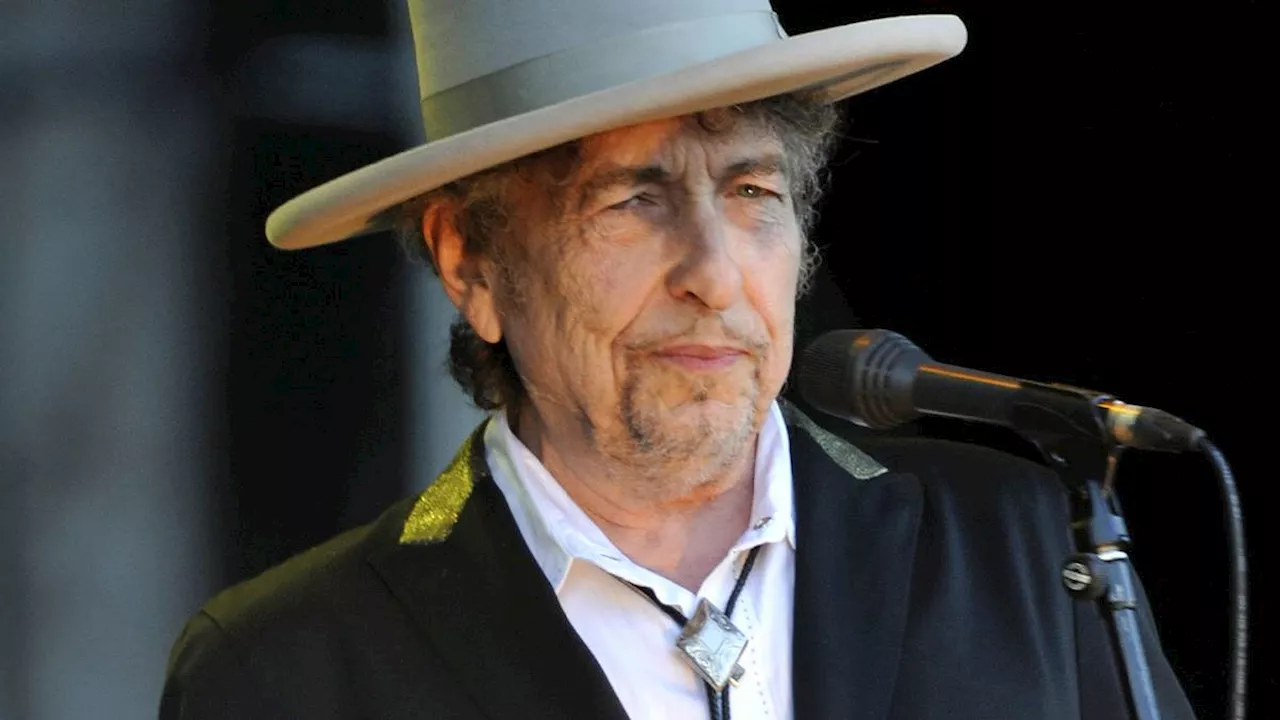
Bob Dylan’s latest release, “Murder Most Foul,” has made history by becoming his first song to reach No. 1 on the Billboard charts. Released on March 27, 2020, this 17-minute track delves into the assassination of President John F. Kennedy on November 22, 1963, and its profound effects on American culture and society.
Dylan, a pivotal figure in the evolution of folk music, began his journey in Minnesota before moving to the vibrant folk scene of Greenwich Village at the age of 19. Though he is often associated with protest music, Dylan has expressed discomfort with being labeled solely as a protest singer. Instead, he views his work as a personal reflection, capturing the essence of his experiences and thoughts.
The lengthy composition of “Murder Most Foul” sets it apart from Dylan’s previous works. The first verse focuses on Kennedy’s tragic death, while the remainder of the song explores the broader implications of that moment in history. Dylan addresses the racial tensions of the 1960s and contrasts the national tragedy with the rise of pop culture phenomena such as Beatlemania, which flourished during that period.
Musical and Cultural References
In “Murder Most Foul,” Dylan weaves a tapestry of cultural references, mentioning a total of 74 songs, including Joni Mitchell’s “Woodstock” and Billy Joel’s “Only the Good Die Young.” He also incorporates notable historical and cultural elements, from Lee Harvey Oswald’s infamous words to the moniker “the Blood-Stained Banner,” a reference to the Confederate flag. The song mirrors the structure of Dylan’s earlier work, “We Didn’t Start the Fire,” which similarly lists significant world events.
Dylan’s collaboration with fellow artist Fiona Apple adds another layer to the song’s richness. Best known for her hit songs like “Criminal,” Apple initially hesitated to participate, feeling underqualified. Yet, Dylan’s approach focused on originality rather than perfection. Apple later reflected positively on the experience, highlighting how Dylan’s encouragement provided her with the confidence she needed ahead of her own album release.
Historical Context and Controversy
Dylan’s connection to Kennedy’s assassination extends back to 1963 when he faced backlash for comments made shortly after the event. During a speech at the Bill of Rights dinner in New York City, he controversially admitted to seeing a part of himself in Oswald. This statement led to mixed reactions from the audience, illustrating the complex emotions surrounding the assassination and its aftermath.
In the years that followed, Dylan often reflected on his feelings during that tumultuous time. In his 1972 biography, he described the surreal experience of performing just after Kennedy’s death, acknowledging the confusion and insanity he felt amidst public mourning.
Dylan’s “Murder Most Foul” not only marks a significant milestone in his career but also serves as a poignant reminder of the lasting effects of historical events on culture and society. With its intricate layers of meaning and rich historical context, the song has resonated deeply with listeners, cementing its place in music history.