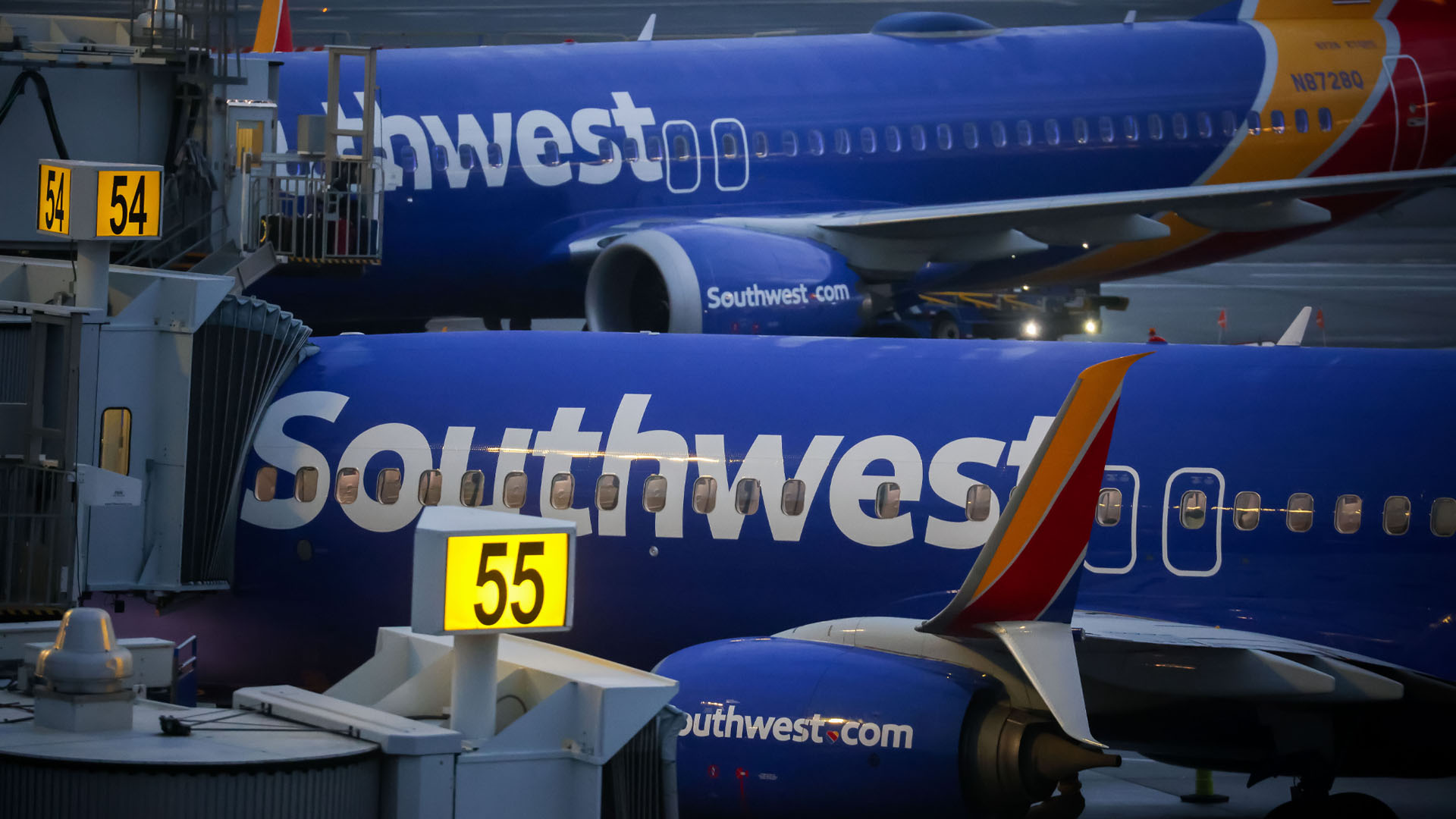
A new seating policy implemented by Southwest Airlines has sparked widespread criticism among travelers as it officially took effect today. Under this policy, passengers who “encroach upon the neighboring seat” are now required to purchase an additional ticket. This decision has raised concerns and discussions across various forums, marking a significant shift in the airline’s approach to accommodating larger passengers.
The revised policy mandates that individuals whose body size extends into an adjacent seat must buy an extra ticket. While the airline has stated it will refund these additional purchases under certain conditions, such as if the flight departs with at least one open seat, many travelers are apprehensive about the practical application of these rules. If a passenger fails to comply, they may be forced to pay for an extra seat at the airport, though Southwest has not clarified how staff will determine if this is necessary.
Tigress Osborn, executive director of the National Association to Advance Fat Acceptance, expressed disappointment with the airline’s new policy, stating it undermines Southwest’s previous reputation as a supportive option for larger travelers. “Southwest was the only beacon of hope for many fat people who otherwise wouldn’t have been flying, and now that beacon has gone out,” she told The New York Times.
Previously, the airline offered complimentary extra seats to passengers needing additional space, a practice that has now been abandoned. Many customers have shared their experiences on social media, highlighting issues with the new policy. One Reddit user noted, “I know an obese guy that flies a lot for work. He buys an extra seat but every few flights a flight attendant will decide to fill it with someone off standby.”
Another user mentioned their frustration with the system, stating, “I’m large. I get first class when I can. I have bought the extra seat, and then had someone on standby take my extra seat. Total BS, no one was happy.” Such accounts reflect a growing sentiment that the new policy is not only impractical but also discriminatory.
Critics have labeled the policy as inherently “fatphobic,” arguing that it signals a decline in Southwest’s commitment to inclusivity. One user on social media remarked, “Fatphobic seating policies, taking away free checked bags, and now they’re changing to assigned seating, Southwest who tf do you think you are?” Osborn echoed this sentiment, asserting that the airline was once an industry leader in accommodating diverse body types.
The National Association to Advance Fat Acceptance has called on Southwest to reaffirm its commitment to “friendlier skies for all bodies” by supporting customers of size and disabled passengers. The organization urges the airline to reconsider its new policy, emphasizing the importance of inclusivity in the travel industry.
As the backlash continues, Southwest Airlines has yet to respond to inquiries from media outlets, including The U.S. Sun. The effectiveness of this policy change, and its impact on the airline’s reputation, remains to be seen as travelers express their concerns regarding accessibility and fairness in air travel.