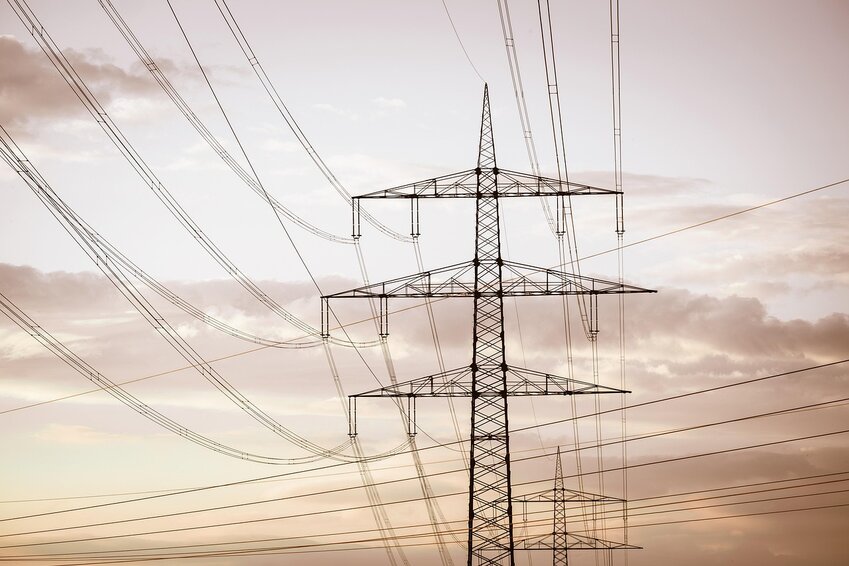
A significant shift in energy dynamics is unfolding in Oregon, where soaring electricity demand is set against a backdrop of supply constraints, raising concerns of a potential power crisis. A recent study indicates that within five years, the Northwest could face a shortfall of nine gigawatts, equivalent to the state’s current electricity consumption.
In the years following the Great Recession, Oregon enjoyed a period characterized by steady economic growth and flat power demand. Innovations in energy efficiency, such as LED lighting and advanced heating systems, kept electricity use stable, allowing utilities to maintain manageable rates. However, this trend has dramatically altered since the onset of the pandemic. The state has experienced an unexpected surge in electricity consumption, primarily driven by the rapid expansion of data centers enticed by local tax incentives.
Data centers have transformed the energy landscape, significantly increasing electricity demand despite an overall stagnation in residential and commercial use. According to Portland General Electric (PGE), demand from data centers in their service territory has surged sixfold since 2020. While residential and commercial electricity use has remained largely unchanged, industrial power demand has skyrocketed by 73%.
Data Centers Drive Demand
Oregon’s energy challenges stem from the state’s inability to expand its electricity supply at a pace that matches this soaring demand. The Northwest Power and Conservation Council has estimated that advancements in energy efficiency have saved approximately 3,000 average megawatts of electricity since 2010, but these gains are being overshadowed by the rapid growth in data center energy consumption.
The Umatilla Electric Cooperative, serving just over 11,400 members, has emerged as one of Oregon’s largest energy providers, mainly due to its role in supplying power to Amazon’s data centers. This cooperative reported a nearly tenfold increase in electricity sales since 2010, highlighting the impact of data centers on local energy consumption. Oregon ranks third nationally for data center square footage and energy use, with tech firms drawn by favorable conditions such as the absence of a state sales tax and local tax breaks.
These tax incentives have saved data centers over $330 million in fiscal 2025, with Amazon alone projected to save nearly $200 million this year. The growth trajectory of these facilities suggests that their electricity consumption could rise to account for 25% of Oregon’s total power demand by 2030.
Concerns Over Future Power Supply
The implications of this demand surge are concerning. The study co-authored by consultant Arne Olson indicates that the Northwest’s ability to maintain a reliable electric system is under threat as it transitions to renewable energy sources. Oregon’s legislative mandates require utilities to replace fossil fuels with renewables, yet this shift complicates the ability to meet growing energy needs, particularly during extreme weather events.
Utilities are divided on the severity of the challenges ahead. Some believe that the regulatory framework and utility planning processes are equipped to handle the impending crisis, while others are more skeptical. Factors such as fragmented planning networks and lengthy approval times for new generation and transmission projects could hinder timely responses to increased demand.
The Bonneville Power Administration, which oversees a significant portion of the region’s high-voltage grid, has faced operational strains due to staffing shortages and rising demand for new transmission. This has raised alarms about the Northwest’s capacity to meet future energy requirements, with industry experts warning that prolonged periods of high demand during extreme weather could lead to power shortages and potential blackouts.
With strategic planning efforts underway, Oregon has begun to take steps to address the impending energy shortfall. Legislation passed last year aims to ensure that data centers contribute to the costs associated with the infrastructure necessary to support their operations. Additionally, utilities are exploring new energy efficiency measures to help bridge the gap between supply and demand.
Despite the looming challenges, some energy planners remain optimistic. Initiatives to enhance coordination among utilities and regulators, as well as the potential for new energy efficiency technologies, may help mitigate the risks. However, the reality remains that Oregon must navigate a complex energy landscape marked by rapid demand increases and a pressing need for sustainable solutions.
As Oregon faces the “nine-gigawatt problem,” the coming years will be crucial in determining the state’s energy resilience and its ability to provide reliable power to its residents and businesses.