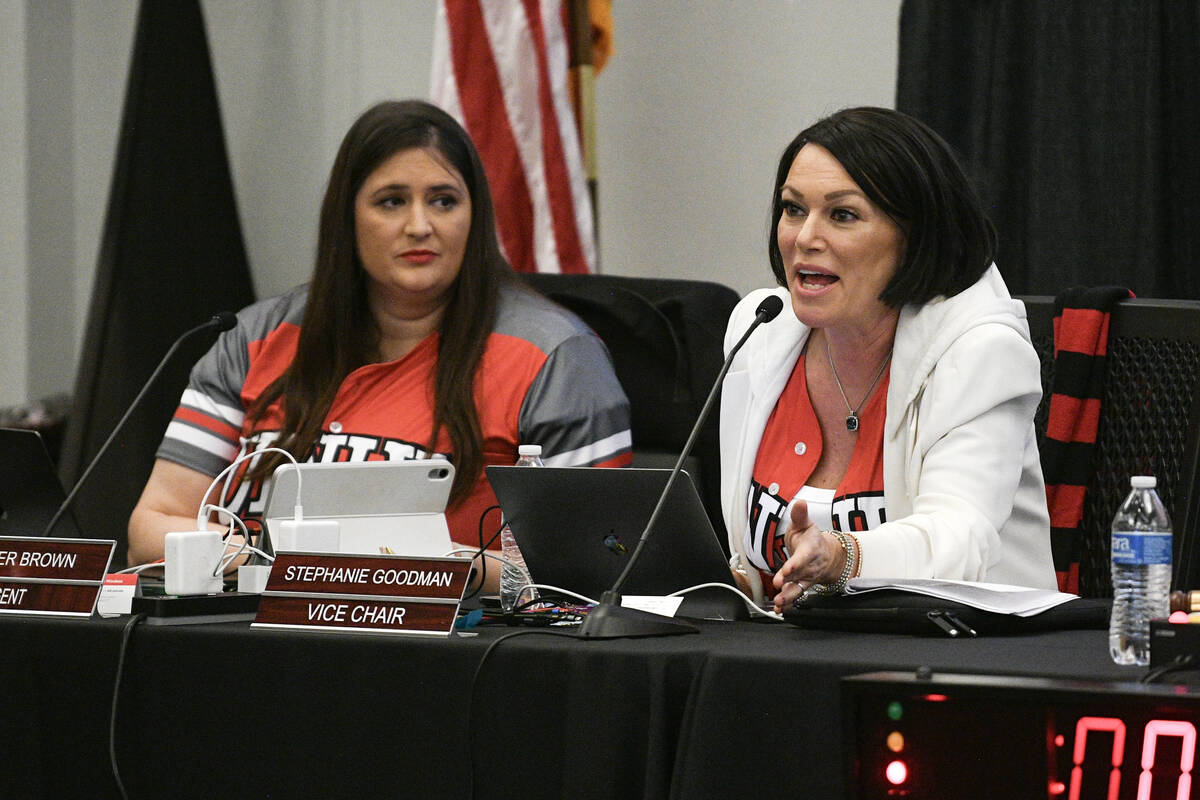
The Nevada Board of Regents has postponed a decision on proposed tuition and fee increases that could raise costs by as much as 12 percent over the next three years. This move comes in response to a projected budget shortfall of $46.5 million. During a meeting at the University of Nevada, Las Vegas (UNLV) on Friday, board Chairman Byron Brooks indicated that regents require more information before addressing the recommendations made by a panel.
The regents decided to revisit the proposed hikes at their next meeting scheduled for January 16, 2024. Brooks commented, “It didn’t make sense to continue on with an agenda item for actions while regents are still trying to ascertain information that is very specific to institutions’ budgets.” This delay provides an opportunity for stakeholders to engage with the board regarding the implications of the recommended increases.
In light of the funding shortfall, Matt McNair, Chancellor of the Nevada System of Higher Education (NSHE), formed an ad hoc committee to explore options for non-resident tuition and fee hikes. The committee’s proposal includes escalating non-resident tuition and registration fees, as well as additional fee increases linked to inflation for students at UNLV, the University of Nevada, Reno, and Nevada State University.
The suggested increases would be phased in over three years: 3 percent in fiscal year 2026, 4 percent in fiscal year 2027, and 5 percent in fiscal year 2028, culminating in a total increase of 12 percent. Additionally, full-time Nevada residents would face fee increases starting in fiscal year 2029, with annual fees rising by $1,200 for UNLV and UNR students and $900 for NSU students.
The proposed changes also include an increase in registration fees for undergraduates at UNLV and UNR, expected to rise from $288.50 per credit this year to $367.25 by the academic year 2028-2029. Community college courses would also see tuition increases, with “lower division” courses increasing by 9 percent and “upper division” courses by 12 percent through 2028.
Students expressed concerns about the potential burden these increases could impose, particularly on those already managing work and living expenses while attending school. Kelechi Odunze, the undergraduate student body president at UNLV, called for university administrations to analyze how these increases might impact enrollment and to explore alternatives to offset the budget shortfall.
Odunze noted that while the delay is not a definitive victory, it allows more time for dialogue with university leaders and the Board of Regents. “Hopefully it gives us more time to talk with all of the institution presidents, the Board of Regents, and see where their thoughts are,” he stated.
The financial implications of the proposed increases were further elaborated by Chris Viton, NSHE’s Chief Financial Officer. He indicated that student fees constitute approximately 35 percent of NSHE’s funding, with state appropriations covering the remaining 65 percent. Viton acknowledged the unpopularity of raising fees, stating, “Nobody wants to pay more.”
Earlier this year, Assembly Bill 568 provided a one-time infusion of $57.5 million to support operating expenses for fiscal years 2026 and 2027. Viton emphasized that as these funds expire, the system will face significant budget gaps unless new revenue sources are identified, suggesting that increased fees may be necessary to maintain current operational levels.
Chairman Brooks recognized the need for further deliberation following feedback from both students and regents. He indicated that funding for higher education should be a priority in the upcoming legislative session. “Based on comments today and questions, it’s very clear there’s more information that this body is requesting in order to make proper decisions on how the agenda item moves,” Brooks said.
As the board prepares for its upcoming meeting, the discussions surrounding tuition increases highlight the ongoing challenges facing higher education funding in Nevada and the potential impact on students and their families.