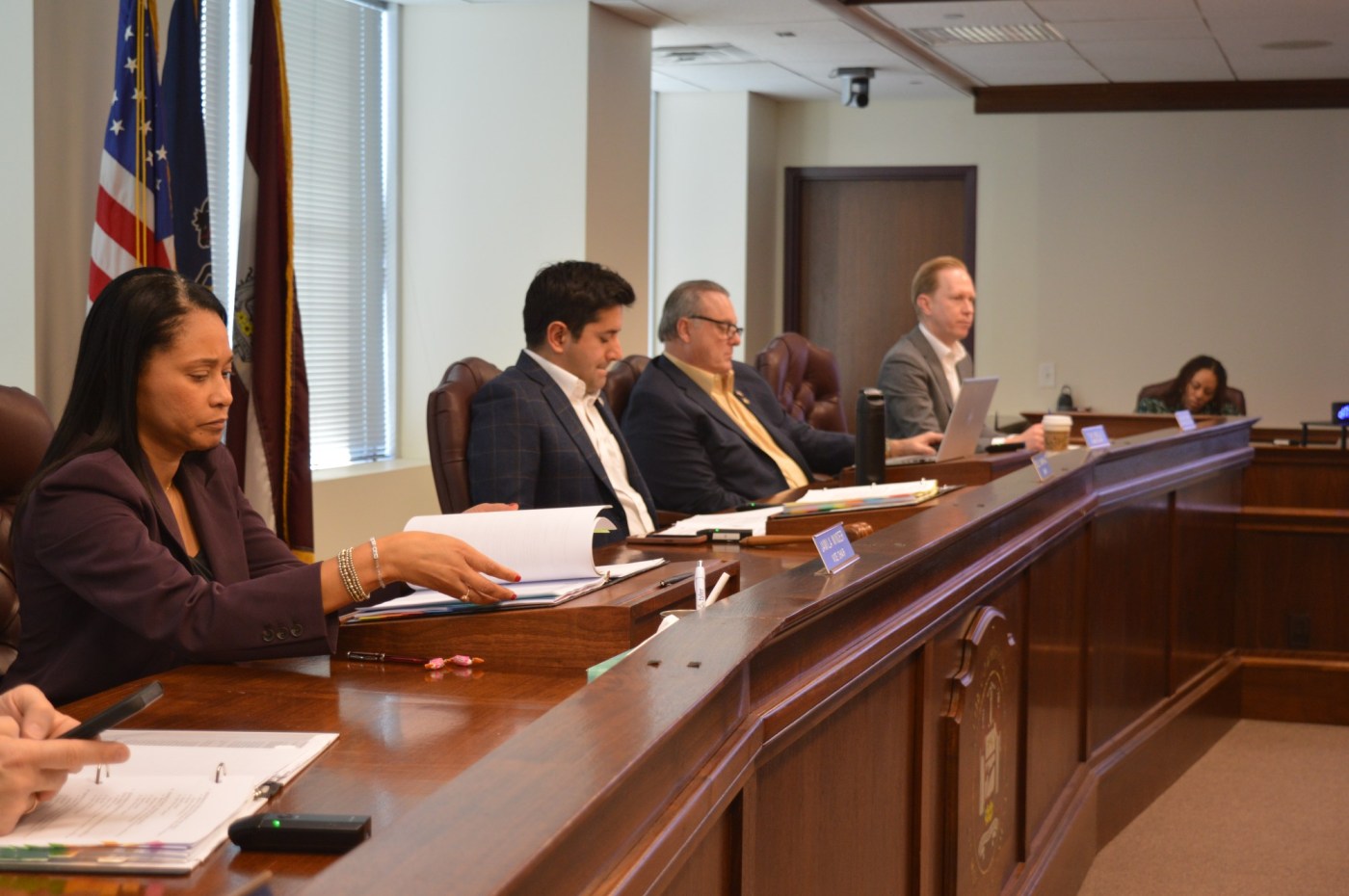
Montgomery County Commissioners have adopted a fiscal year 2026 operating budget amounting to $632.7 million, which includes a tax increase of approximately 4 percent. This decision, reached during a board meeting on March 15, 2024, marks the first unanimous budget vote in nearly a decade.
Chairman Neil Makhija expressed pride in the collaborative effort that led to this budget, highlighting significant savings while maintaining essential services for residents. “Together on this we committed to collaboration… because we both found significant savings across the board, and we still invested in all the things that matter to our residents,” Makhija stated.
Budget Details and Implications
Makhija emphasized that this budget reflects a shared commitment to the community, especially in light of challenges faced at both local and federal levels. “It’s really meaningful to show that we’re here working together,” he said, noting ongoing initiatives for vulnerable populations, including behavioral health and housing support.
The budget process began in the spring, led by Chief Financial Officer Dean Dortone, who initially identified a $55.9 million deficit. Commissioner Tom DiBello remarked that such a shortfall would have necessitated an 18 percent tax increase, which was deemed unacceptable by the board. “We knew that was nowhere near where we could be at,” DiBello said.
To address the financial gap, officials identified substantial operational savings, including a $2 million reduction in benefit costs and other efficiencies totaling $1.3 million. Despite these measures, a remaining budget shortfall of $25.5 million was noted. The revised millage rate will increase from 5.252 mills to 5.462 mills, generating an additional $12 million in revenue.
For an average single-family home in Montgomery County, this tax increase will result in approximately $36 more per year, based on a market value of $556,600 and assessed value of $171,200.
Community Reactions and Concerns
Feedback from the community during public budget hearings varied. Some residents commended the focus on vital programs, while others voiced concerns about the tax increase. Hatfield resident Sandra Levine highlighted the struggles of hardworking families, stating, “They don’t have money for child care. Their rents go up, or taxes go up, and they’re pinched all the way around.”
Similarly, Lower Salford Township resident Michelle Engarto urged county leaders to prioritize fiscal responsibility while supporting necessary programs. “We’re asking for your leadership… while still supporting programs that our community needs to thrive,” she said.
Concerns about the initial deficit were echoed by attendees like Ambler resident David Morgan, who expressed alarm at how the county’s financial situation had escalated. “It seems like the county was going underwater very seriously, and why weren’t we aware of this?” Morgan asked.
Commissioner DiBello acknowledged these worries, affirming that the board is committed to maintaining a solid fiscal foundation to prevent drastic tax increases in the future. He referenced recent tax hikes in other counties, stating, “None of us here wants to do anything … to request additional funds from our community.”
In response to the challenges of balancing priorities, Chairwoman Jamila Winder stated, “I think we did a really good job arriving at the budget, and I’m really thankful to the county team for the work that the collective did to get us to this point.”
The commissioners also approved a $255.75 million capital fund for 2026 and allocated $5.3 million for the employee retirement fund. Assistance programs for eligible low-income residents, such as the Real Estate Tax Deferral Program and the Property Tax/Rent Rebate Program, will continue to provide necessary support.
For more information on county programs, residents can visit montgomerycountypa.gov/finance.