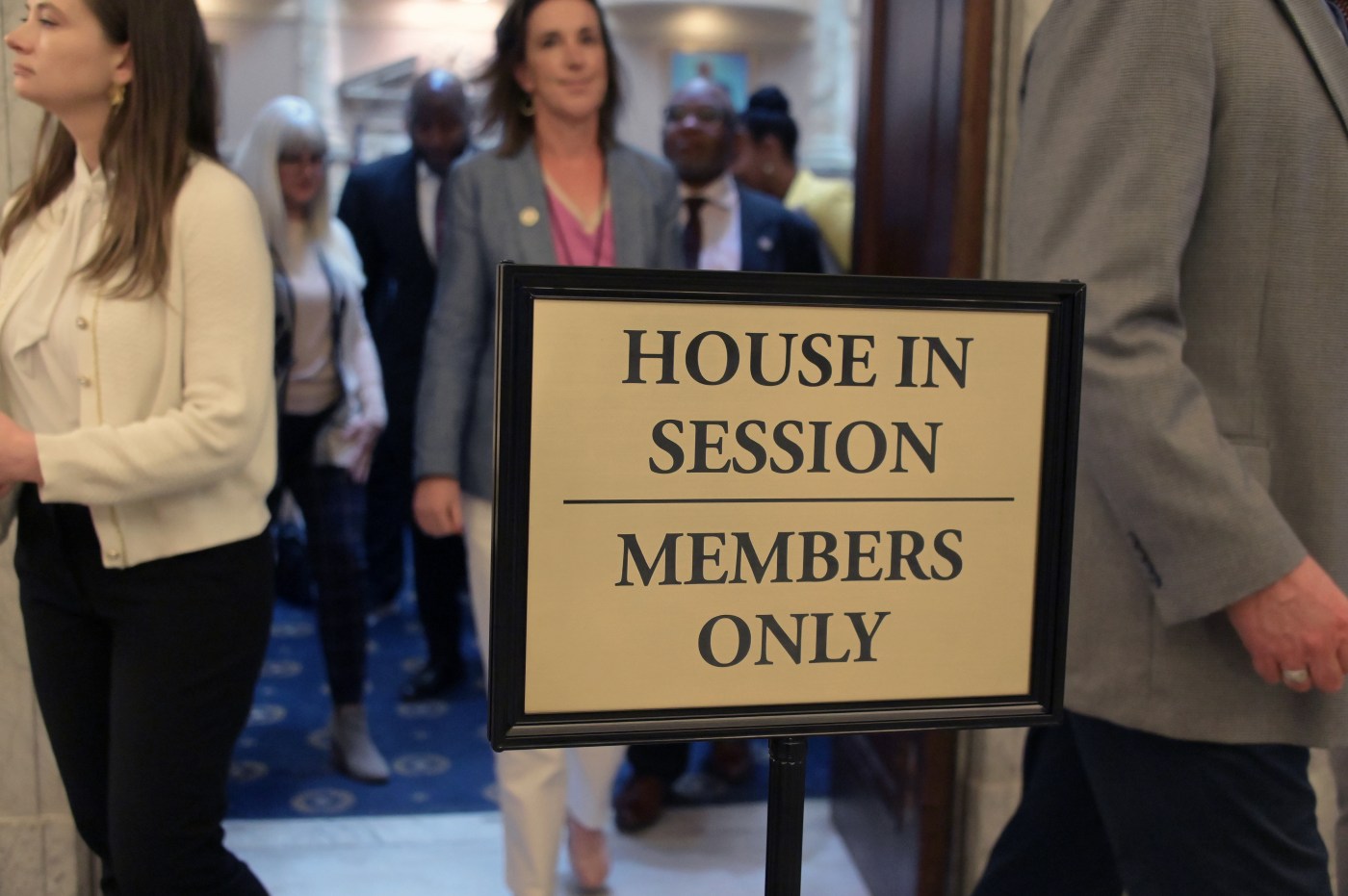
As the annual **Maryland General Assembly** session commenced on March 15, 2024, state lawmakers are confronted with a pressing challenge: addressing a projected **$1.5 billion** cash shortfall for the fiscal year 2027. This financial hurdle is compounded by the political pressures of an election year, as incumbents seek reelection in the upcoming fall. The interplay between these two issues is likely to shape the legislative agenda over the next 90 days.
Lawmakers in Annapolis are no strangers to budget deficits. Just a year prior, they grappled with a significant **$3 billion** shortfall. A combination of tax increases and budget cuts managed to stabilize the budget temporarily, but external factors such as inflation and federal job losses—Maryland experienced the highest rate of job losses in the nation—have contributed to ongoing fiscal instability. Additionally, the state’s commitment to educational reforms under the **Blueprint for Maryland’s Future** has further strained resources.
Economic Outlook and Legislative Options
Governor **Wes Moore** has indicated that there will be no major tax increases during this session, a stance that aligns with the political climate where “affordability” is the key focus for both major parties. This leaves lawmakers, including new House Speaker **Joseline Peña-Melnyk**, considering alternative approaches to close the budget gap, as outlined by the legislature’s **spending affordability committee**.
Several critical questions loom over the assembly:
1. **What is the trajectory of Maryland’s economy?** The **Board of Revenue Estimates** projects minimal employment growth of only **0.1%** for 2027 and 2028, a stark contrast to the 2% growth seen in recent years. Without significant job creation, the state may face escalating deficits, potentially reaching **$2.7 billion** by the end of the next legislative term and growing to **$3.5 billion** by fiscal year 2031.
2. **Can Maryland maintain its “Rainy Day” fund?** The state’s reserve fund, approximately **$2 billion**, is under pressure as lawmakers consider dipping into it to address immediate needs. However, utilizing these funds could jeopardize Maryland’s credit rating, which was downgraded from **AAA to Aa1** by **Moody’s** last year, resulting in higher borrowing costs.
3. **Transportation funding challenges.** Despite previous fee increases for vehicle registration and other transportation-related costs, the state’s **Transportation Trust Fund** remains underfunded, impacting essential services like road repairs and public transit.
4. **Impact on low-income households.** With Maryland facing increased costs for programs like **SNAP**, which requires an additional **$59.6 million** for fiscal year 2027, the government is pressed to ensure that support systems remain effective for vulnerable populations.
5. **Cutting back on corporate benefits.** Lawmakers could consider reducing tax incentives for affluent corporations, such as the film production tax credits, which have been criticized for providing limited economic benefit to the state.
As legislators navigate these complexities, the necessity for detailed and responsible decision-making becomes increasingly evident. The next three months will require careful deliberation, balancing immediate fiscal needs with long-term economic viability. Lawmakers must prioritize solutions that not only address the current deficit but also lay the groundwork for sustainable financial health in Maryland.
The coming months will test the resolve of Maryland’s leaders. The choices they make now will resonate far beyond the confines of the assembly, impacting the state’s residents and its economic future.