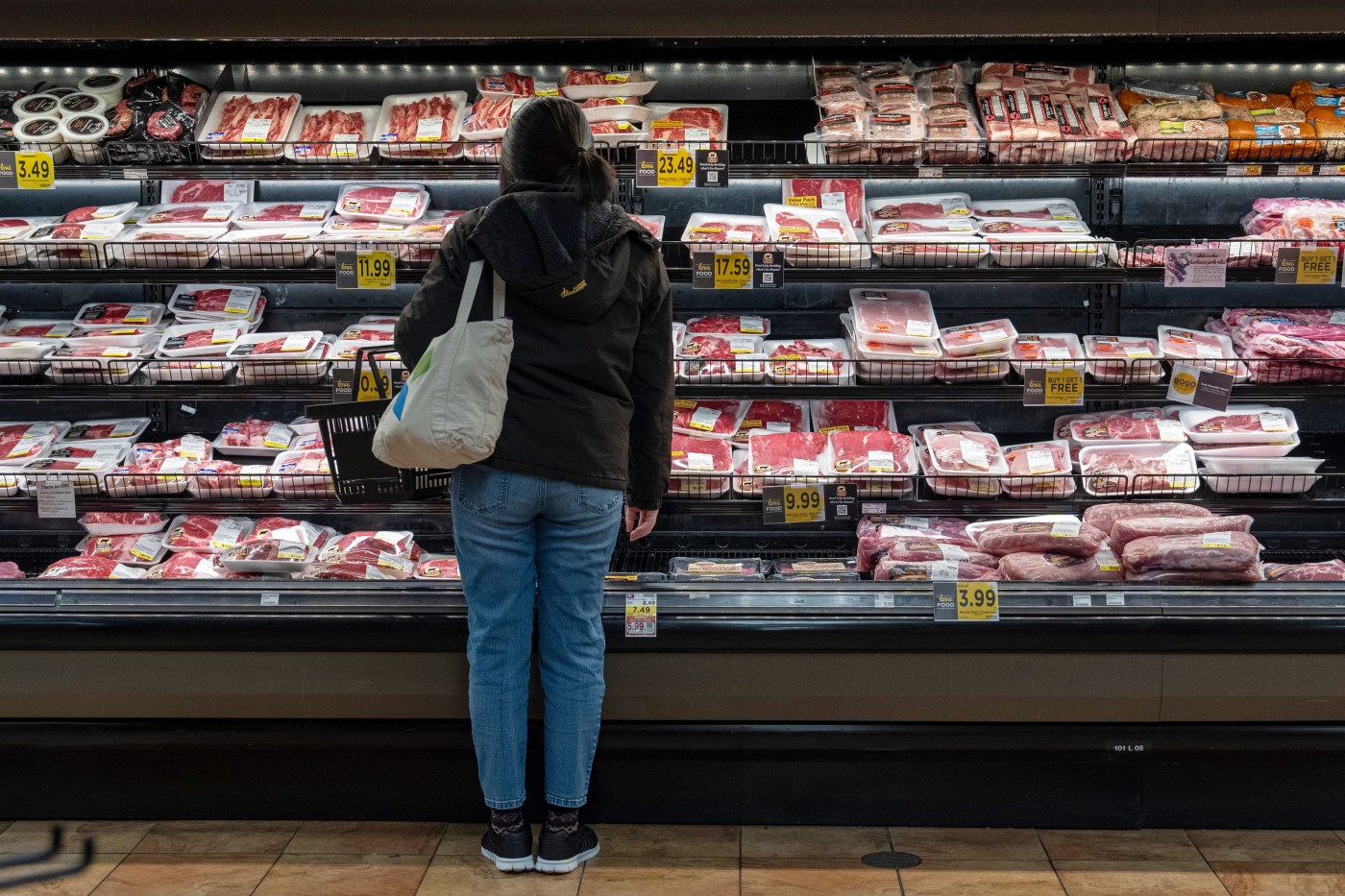
Inflation in the United States has accelerated, as indicated by the latest consumer price report released by the U.S. Bureau of Labor Statistics. The report reveals that consumer prices rose by 0.3% from November to December, marking a 2.7% increase compared to the previous year. This spike is primarily driven by a significant rise in food prices, which surged by 3.1% year-over-year.
Grocery staples have seen noticeable price increases, including essentials such as milk, bread, tomatoes, and ground beef. Conversely, gas prices experienced a decline, dropping by 5.5%, representing the largest percentage decrease nationwide in two years.
Tracking Consumer Costs
The Tribune has been monitoring 11 everyday items that reflect the financial landscape for American consumers. These include eggs, milk, bread, bananas, oranges, tomatoes, chicken, ground beef, gasoline, electricity, and natural gas. The updates are based on data from the Consumer Price Index (CPI) and are refreshed monthly.
Egg prices have notably decreased for the eighth consecutive month, falling by $0.15 from November, with a current price of $2.71 for a dozen large Grade A eggs. This decline is attributed to fewer cases of bird flu affecting commercial and backyard flocks, especially egg-laying hens. Recent data from the U.S. Department of Agriculture shows that only about 150,000 of the 1.8 million affected birds were table egg-layers.
In comparison, milk prices have risen slightly, with a gallon costing $4.05, a 1% decrease from the same time last year. Bread prices also saw a minor uptick, now averaging $1.83 per pound, although this is 10 cents lower than when President Trump took office.
Monthly Changes in Key Food Items
Bananas remained stable at $0.66 per pound in December, reflecting a slight increase of nearly 7% from the previous year. This price stability may be influenced by ongoing trade tariffs imposed on banana-exporting countries. In response to rising costs, President Trump announced exemptions for certain agricultural products from these tariffs, including bananas.
The average price of navel oranges decreased to $1.57 per pound, a drop of $0.23 since September. This seasonal price reduction aligns with typical trends in fruit pricing during colder months. Tomatoes, on the other hand, saw a slight increase to $1.84 per pound, which is still lower than prices observed in August and September.
Chicken prices have shown signs of decline, with the cost of a pound of fresh, whole chicken averaging $2.02. Despite fluctuations, chicken has remained a staple protein source for many households.
Ground beef prices continue to rise, having increased by more than 18% over the past year, now averaging $6.52 per pound. Factors contributing to this increase include the lowest U.S. cattle inventory in nearly 75 years and severe drought conditions affecting feed supplies.
Electricity costs are reaching all-time highs, averaging around 19 cents per kilowatt-hour. For an average household consuming approximately 899 kWh every four weeks, this translates to a monthly bill of about $170. A recent report from Illinois indicated potential electricity shortages within five years, prompting state officials to take action to mitigate rising costs.
In terms of transportation, gasoline prices at the pump dropped to an average of $3.05 per gallon nationwide, with notable decreases of 18 cents from the previous month. The decline in gas prices has been highlighted by the White House as a significant achievement, with 43 states now reporting averages under $3 per gallon.
Natural gas prices are also on the rise, with consumers paying nearly 12% more than the previous year. The average rate for natural gas stands at $1.70 per therm, the highest level in three years. Chicago-area utilities are currently seeking substantial rate increases, which could further strain household budgets.
Overall, the latest consumer price report highlights the complexities of inflation, particularly the contrasting trends in food and energy costs. As prices continue to fluctuate, American households are feeling the impact on their everyday expenses.