Plans to dismantle a bridge in San Anselmo, California, critical for a flood protection initiative, have encountered significant obstacles. The Federal Emergency Management Agency (FEMA) has mandated that the removal of Building Bridge 2 cannot proceed without unanimous consent from twelve downstream property owners potentially facing increased flooding due to the demolition. Additionally, FEMA has stipulated that all necessary mitigation measures must be in place before any work can begin.
The county disclosed FEMA’s ruling on Thursday, noting it received written confirmation of the decision in November. According to Laine Hendricks, a spokesperson for the county, the aim was to allow residents to navigate the holiday season without immediate pressure regarding mitigation discussions.
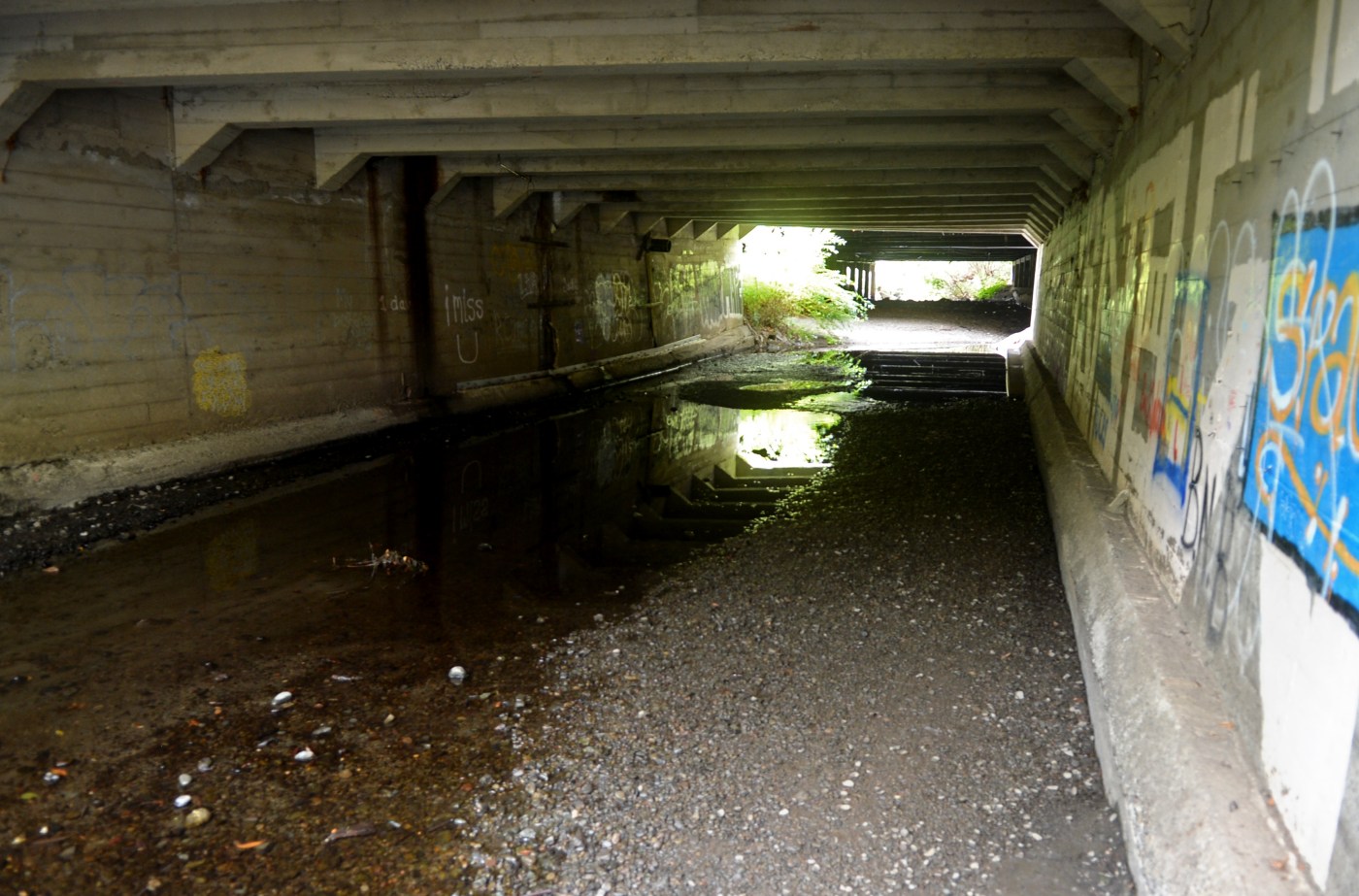
The bridge’s removal is part of a broader flood risk reduction project designed to alleviate flooding for approximately 500 homes in the Ross Valley, while it may inadvertently heighten flood risks for a smaller number of properties. The county has identified the downtown bridge as structurally unsound, asserting that it obstructs the creek’s natural flow, exacerbating flooding by redirecting storm runoff into surrounding areas.
The bridge, which became a community hub during the COVID-19 pandemic, has garnered support for preservation, with some residents advocating for its continued use. Public works officials presented an update on the project to the San Anselmo Town Council in September, stating that the project could be ready for bidding by late 2024, with demolition projected to commence in the summer of 2027.
Christopher Blunk, the county’s director of public works, expressed concerns about potential delays, stating, “If we don’t have unanimous approval of the impacted property owners, the project may not be able to move forward at all, at least as it’s been designed and contemplated to date.”
The county has reached out to property owners it believes are entitled to flood mitigation, sending emails and letters to gather their feedback. The notifications state, “We finally have obtained clear direction from FEMA and are now reaching out to you to obtain your concurrence or objection to the mitigations.” Supervisor Brian Colbert, whose district includes Ross Valley, emphasized that the decision ultimately lies with the property owners, setting a deadline of February 28, 2024, for their responses.
Many of the affected property owners reside along Sir Francis Drake Boulevard. Some have expressed that they cannot provide an informed decision until the county clarifies the mitigation options available. John Crane, a property owner who received a notification from the county, stated, “I have been seeking clarity on mitigation since 2018. I have never gotten clear answers from the county.”
Crane previously contested claims that his home had flooded in the past, and in 2024, Rosemarie Gaglione, the then public works director, indicated that mitigation would not be necessary for homes that had experienced flooding prior to the project. “There are no National Flood Insurance Program claims on my house since the 1970s,” Crane noted.
Another affected resident, Jennifer Mota, expressed frustration at the county’s lack of responsiveness. She had previously submitted a list of questions to the county in August, seeking information essential for evaluating mitigation options. Mota described the county’s latest offer as inadequate, suggesting that merely adding vents in her crawl space and raising utility outlet boxes would not sufficiently protect her property from flooding. “My understanding,” she said, “is that they should be either raising my house or building some sort of flood wall barrier so that the base flood elevation doesn’t increase at my property.”
Residents like Samantha Hobart have raised concerns about the potential consequences of removing the bridge, particularly regarding water accumulation beneath their homes. Hobart emphasized the need for clear definitions of the available mitigation support, stating, “The problem is that the flood district has never been able to define what that mitigation support is.”
Concerns about funding for adequate mitigation persist among property owners. Crane commented on the county’s spending of between $50 million and $60 million on consulting and engineering fees, suggesting a lack of available resources for effective mitigation solutions. At the San Anselmo Town Council meeting in September, Blunk estimated the total project cost at $18.2 million, indicating that it is fully funded through grants and Flood Control Zone 9 money. However, Judd Goodman, the project manager, stated that only $400,000 had been allocated for mitigation efforts.
The expiration of a 20-year stormwater drainage fee in June 2027, generating approximately $2.6 million annually for flood control projects, raises further concerns about future funding. Without this revenue, Zone 9 would need to rely solely on the property tax revenue of $400,000 to cover its operational and maintenance expenses, estimated at $335,000 per year.
Former San Anselmo council member Ford Greene expressed skepticism regarding the county’s mitigation estimates, which ranged from $3 million to $11 million. He criticized the shifting figures, suggesting that they were manipulated to make the project appear viable. Greene predicted that the ownership of the bridge would revert from the county back to the town of San Anselmo for a nominal fee of $1, with the plaza potentially reopening by next summer.
As discussions continue, the situation remains fluid, with property owners awaiting clearer communication from the county regarding mitigation measures that could impact their homes. The outcome of this plan is crucial for the residents of San Anselmo and the future of flood management in the region.