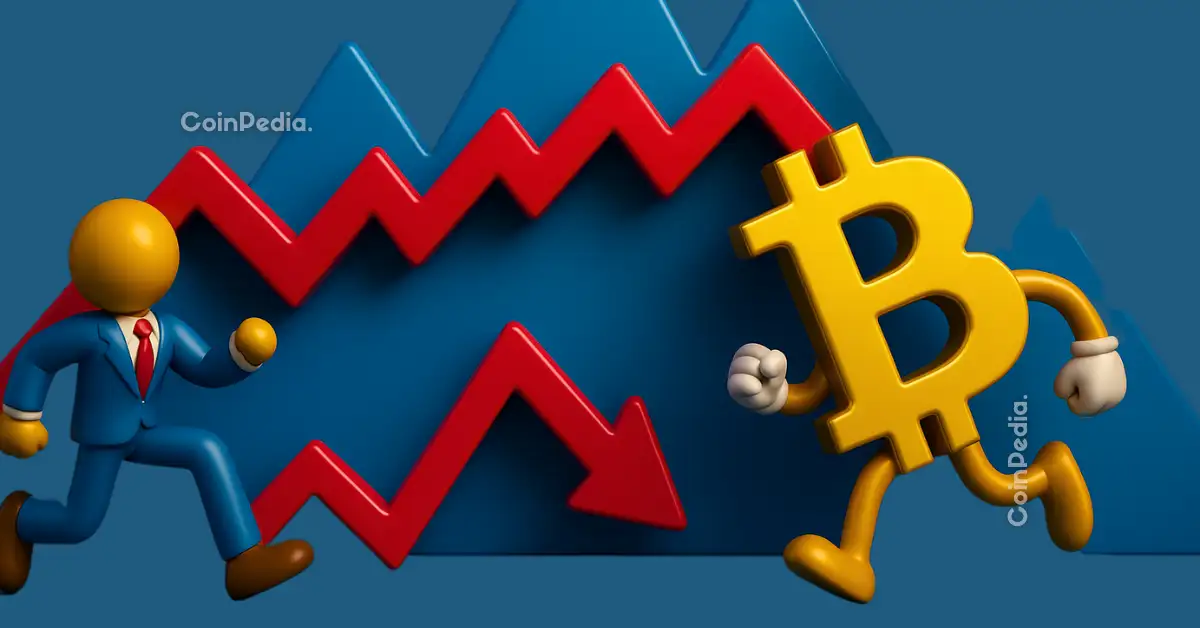
Crypto markets experienced a significant decline today, with both Bitcoin (BTC) and altcoins dropping sharply due to renewed concerns over tariffs. The sell-off, initiated by tariff-related headlines, created a risk-off environment that pressured high-beta assets and led to forced liquidations, exacerbating the downturn.
The primary catalyst for this volatility was a recent announcement related to tariffs concerning the Greenland dispute. U.S. President Donald Trump revealed a plan to implement a 10% tariff starting on February 1, 2024, with indications that this rate could increase if negotiations do not yield results. This announcement reignited fears of a broader trade war, prompting investors to retreat from riskier assets, including cryptocurrencies.
Tariff announcements typically signal two main risks:
1. **Growth and Demand Risk**: Tariffs can hinder trade flows, leading to increased uncertainty for businesses.
2. **Inflation and Policy Risk**: Tariffs may raise costs, complicating the inflation outlook and affecting interest rate expectations.
These factors often prompt a swift capital rotation towards safer investments, impacting sectors like technology, small caps, and cryptocurrencies first. As Bitcoin’s price fell below critical intraday levels, it triggered a wave of liquidations, further accelerating the market’s decline.
Market Dynamics and Future Scenarios
While macro-driven downturns can sometimes reverse quickly, the current situation remains uncertain. The immediate outcome depends on how the market stabilizes post-liquidation. Analysts suggest three potential scenarios for Bitcoin’s trajectory moving forward:
1. **Bull Scenario**: A relief bounce could occur if liquidation pressures subside, and Bitcoin successfully holds a key support zone. If the price quickly reclaims important intraday levels, it may indicate that the drop was largely due to forced selling rather than a broader market decline.
2. **Base Scenario**: A choppy range could develop if volatility remains high and traders are hesitant to take on risk until clarity regarding tariffs emerges. In this scenario, Bitcoin might experience sideways movement, with altcoins likely underperforming until Bitcoin shows a more stable structure.
3. **Bear Scenario**: A continued downward trend is possible if tariff tensions escalate further. Should Bitcoin lose significant support without reclaiming it, and if selling pressure shifts from liquidations to steady market selling, the likelihood of a deeper decline increases, especially if broader markets such as equities continue to weaken.
The day’s sell-off reflects familiar patterns, combining macroeconomic catalysts with leveraged positions that heighten volatility. The initial shock from the tariff announcement linked to the Greenland dispute set the stage for a pronounced market reaction, but whether this downturn signals a lengthy bear phase for cryptocurrencies remains unclear.
Investors are now focused on the implications of ongoing tariff discussions and market conditions following today’s liquidations. If Bitcoin stabilizes, it could pave the way for altcoins to recover. Conversely, if macroeconomic fears persist, the market may require additional time to assimilate the recent developments.