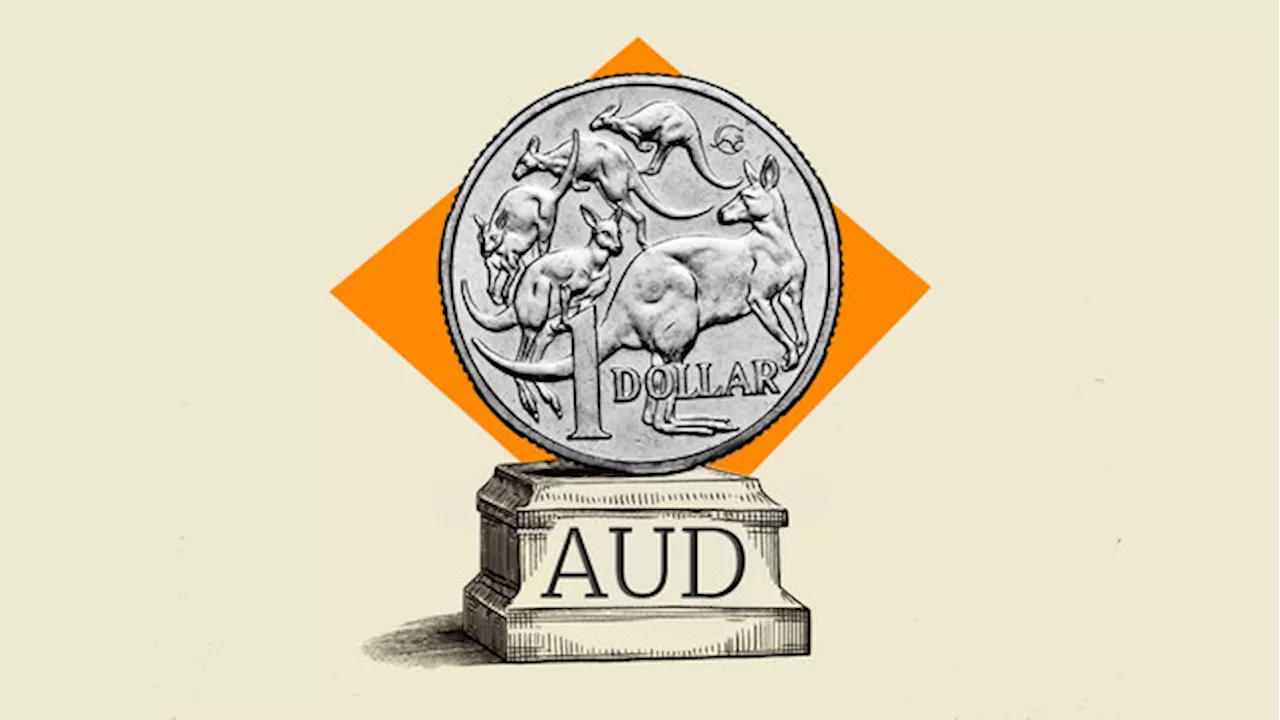
The Australian Dollar (AUD) is currently trading with renewed momentum against the US Dollar (USD), aiming for the next target at 0.6800. As of this week, AUD/USD has broken through the 0.6700 mark, reaching multi-day highs, primarily influenced by a decline in the USD linked to escalating tariff threats from the United States.
Recent developments indicate a cautious optimism in the Australian market. The latest economic data has not sparked excitement but suggests that the economy is stabilizing. The December Purchasing Managers’ Index (PMI) data showed slight declines in both the Manufacturing and Services sectors, yet both remain in expansion territory. Retail sales continue to perform adequately, although the trade surplus narrowed to A$2.936 billion in November.
Australia’s economic growth has shown signs of cooling, with Gross Domestic Product (GDP) increasing by 0.4% quarter-on-quarter in Q3, a decrease from the previous 0.7%. Despite this slowdown, the annual growth rate remains steady at 2.1%, aligning with the forecasts of the Reserve Bank of Australia (RBA).
The labour market is also presenting mixed signals. Employment fell by 21,300 jobs in November, yet the unemployment rate held steady at 4.3%. Analysts are closely watching the upcoming labour market report scheduled for January 22, 2025, which may provide further insights into employment trends.
Inflation poses a significant challenge for the Australian economy. The headline Consumer Price Index (CPI) inflation slowed to 3.4% in November, while the trimmed mean fell to 3.2%, both figures remaining above the RBA’s ideal target range. In a slightly positive turn, consumer inflation expectations reported by the Melbourne Institute dipped to 4.6% from 4.7%.
China continues to play a crucial role in supporting the Australian Dollar, although its influence has diminished compared to previous years. The Chinese economy grew at an annualised rate of 4.5% in the last quarter of 2024, with retail sales increasing by 0.9% year-on-year in December. Recent PMIs indicate a return to expansion, with the official Manufacturing PMI at 50.1 and Services PMI at 52.0.
Despite this, inflation signals from China remain mixed. The headline CPI remained unchanged at 0.8% over the past year, while the Producer Price Index (PPI) reflected negative inflation at -1.9%. The People’s Bank of China has shown no urgency in adjusting monetary policy, opting to maintain Loan Prime Rates.
The RBA has adopted a patient approach, maintaining the cash rate at 3.60% during its latest meeting. RBA Governor Michele Bullock emphasized that there is no immediate need to cut rates, countering speculation about near-term easing. The central bank’s December minutes revealed ongoing discussions regarding whether current financial conditions are sufficiently restrictive.
Market positioning indicates a potential shift, with speculative net short positions in the AUD slightly reduced, although overall conviction remains weak. The latest data from the Commodity Futures Trading Commission shows net short positions near 19,000 contracts, the smallest bearish stance since September 2024.
As the AUD/USD navigates the current economic landscape, attention will remain on upcoming US data releases and the evolving situation regarding tariffs. The next key resistance level for AUD/USD is the ceiling at 0.6766, followed by the 0.6942 high set in 2024. In contrast, any renewed selling pressure could see the pair test lower levels around 0.6659 and 0.6592.
In summary, the Australian Dollar is poised for potential gains as it approaches the 0.6800 target. However, its trajectory will heavily depend on external factors, including global risk sentiment and developments in China’s economic outlook. A decisive break above this resistance would signal a stronger bullish trend for the AUD.