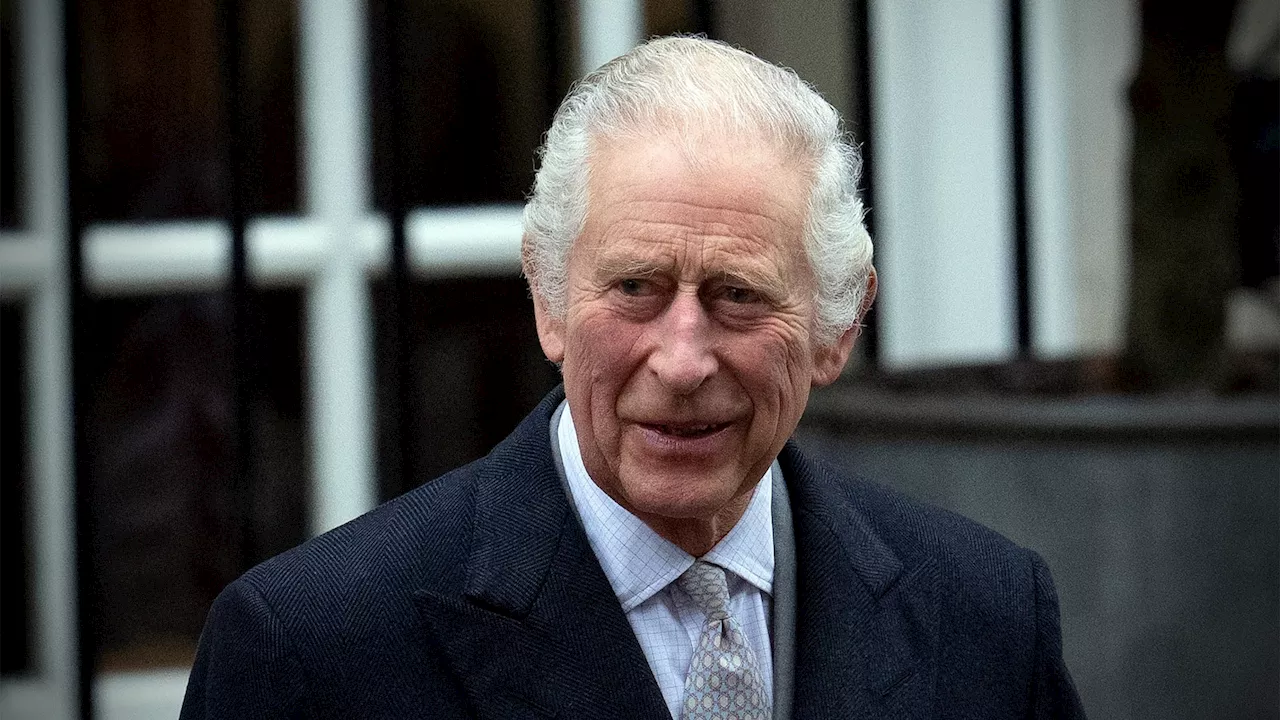
U.S. Health and Human Services Secretary Robert F. Kennedy Jr. has announced that the revised U.S. Dietary Guidelines will be unveiled in December 2023. This announcement coincides with growing public concern over the increasing influence of governmental food policies on personal eating habits, particularly as the holiday season approaches.
The U.S. Dietary Guidelines are updated every five years, often drawing significant attention and controversy. The previous editions have faced criticism for their advice, which has sometimes led to unintended health consequences. Notably, dietary recommendations from the 1980s directed Americans to reduce their intake of saturated fats and meat while increasing carbohydrates. The food pyramid introduced in 1992 further reinforced this shift, promoting high consumption of bread and cereal. Critics argue that these guidelines contributed to rising obesity rates as individuals substituted fats with low-fat processed foods. David Katz from the Yale School of Medicine stated in a 2017 interview, “We replaced the fat with low-fat junk food.”
Kennedy’s approach to dietary guidelines stands in stark contrast to past recommendations. He has claimed that the American food system is compromised, asserting it “poisons” citizens with highly processed additives. As part of his campaign, he supports increased consumption of saturated fats and even suggests unconventional methods of preparation, such as deep-frying turkey in beef tallow.
The upcoming guidelines are expected to be concise, with Kennedy promising a report spanning only four to six pages. This contrasts sharply with previous versions that extended for hundreds of pages. Critics have already begun to voice their concerns about the potential implications of these changes. A nutritionist has predicted “substantial chaos” as hosts navigate the evolving landscape of dietary recommendations during the festive season.
Political Influence on Food Choices
The intersection of politics and food choices is becoming increasingly pronounced in the United States. During his mayoral campaign, New York City mayor-elect Zohran Mamdani promoted the idea of government-operated grocery stores as a solution to food insecurity and affordability. While this proposal aims to address significant issues, it raises questions about the role of government in determining the availability of food products.
The notion of a government controlling grocery store inventories could lead to a politicized food environment. While some urban progressives may support initiatives from local leaders, they may not feel the same about federal oversight by figures like Kennedy. In recent months, New York City has seen the introduction of various food-related policies, including a city council bill mandating health warnings for high-salt and high-sugar foods in restaurants. Despite existing regulations for larger chain restaurants, evidence supporting the effectiveness of such warnings in altering consumer behavior remains limited.
Controversy over food policy is not confined to urban areas. In several states, including Florida, Texas, Alabama, and North Carolina, lawmakers are grappling with issues surrounding raw milk consumption and the availability of lab-grown meat products. These discussions highlight a growing trend of politicizing food choices, reflecting the diverse perspectives across the nation.
As the holiday season approaches, the influence of political decisions on food choices raises important questions about personal autonomy and public health. Celebrity chef José Andrés once remarked, “Some of life’s greatest bridges are built over simmering pots and shared plates.” Yet, as the events of 2025 unfold, it appears that even shared meals are not immune to the reach of political discourse.