The International Association of Cryptologic Research, known as the I.A.C.R., has nullified its recent election after a technical failure prevented the final tally from being revealed. The election, intended to fill three director positions and four officer roles, utilized a highly secure digital voting system that required three cryptographic keys held by designated trustees. Unfortunately, one trustee lost his key, rendering the election results inaccessible.
In a memo released on Friday, the I.A.C.R. expressed its regret, stating, “Regrettably, we have encountered a fatal technical problem that prevents us from concluding the election and accessing the final tally. We are deeply sorry for this failure and for the disruption it has caused.”
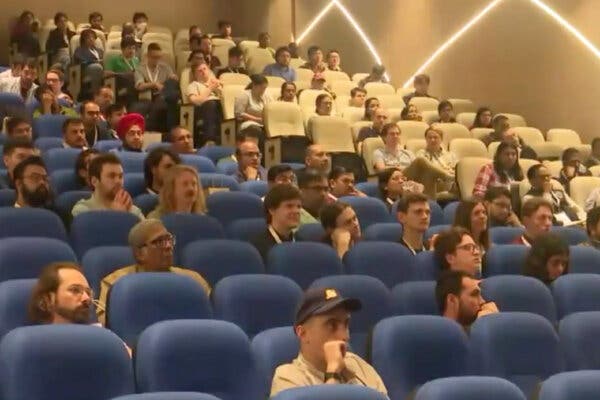
The I.A.C.R., based in Bellevue, Washington, is dedicated to advancing research in cryptology, the study of securing information through codes and ciphers. With thousands of members globally, including regular, student, and senior members, the organization publishes leading research in the field.
Following this incident, the association plans to revise its voting procedures to prevent similar issues in the future. The proposed changes include adopting a “2-out-of-3 threshold” for the decryption keys, which would allow for greater flexibility in accessing election results. Additionally, the I.A.C.R. will implement clearer written guidelines for trustees to ensure proper adherence to the new procedures.
The decision to call for a new election highlights the challenges organizations face when integrating complex security measures into democratic processes. While the I.A.C.R. aims to uphold the highest standards of security in its electoral procedures, this incident serves as a reminder of the potential pitfalls of advanced technology.
As the association prepares for another election, members are encouraged to remain patient and engaged. The I.A.C.R. remains committed to its mission of advancing cryptologic research and fostering a robust community of scholars and practitioners in the field.