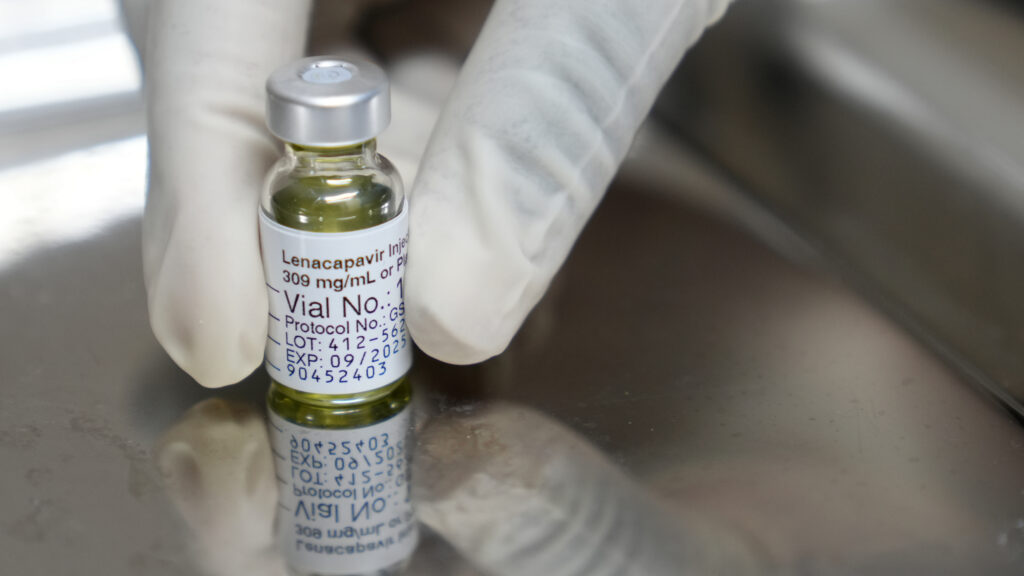
The U.S. Department of State recently announced its commitment to distributing a new HIV prevention drug to low-income countries, marking a significant step in global health initiatives. Last week, approximately 1,000 doses of the medication developed by Gilead Sciences were delivered to Zambia and Eswatini. This marks the first shipment under a distribution plan unveiled last fall.
Gilead Sciences, the pharmaceutical company behind the drug, is providing it at cost and is actively seeking regulatory approval in over a dozen other sub-Saharan nations, where HIV infection rates remain alarmingly high. The region continues to be the epicenter of the AIDS pandemic, highlighting the urgency of such health interventions.
During a media briefing, Jeremy Lewin, a senior bureau official for foreign assistance, humanitarian affairs, and religious freedom, emphasized the importance of this initiative. “I think this is a prime example of what we can do to accelerate progress on global health through championing American innovation and American enterprise,” he stated.
While the delivery to Zambia and Eswatini represents a positive development, it raises questions about the exclusion of other countries, particularly South Africa, which has one of the highest rates of HIV infection in the world. The omission underscores ongoing challenges in equitable access to healthcare resources, especially in regions severely impacted by the epidemic.
Global health advocates have long called for more comprehensive strategies to combat HIV/AIDS, emphasizing that drug accessibility is critical in the fight against the virus. The U.S. initiative, while a step forward, highlights the need for continued efforts to ensure that all nations affected by the HIV epidemic receive adequate support and resources.
As Gilead Sciences works to expand its reach within sub-Saharan Africa, the international community watches closely. The success of this initiative could set a precedent for future health interventions aimed at combating global health crises. The U.S. government’s approach to partnering with pharmaceutical companies may pave the way for similar collaborations in addressing other pressing health challenges worldwide.