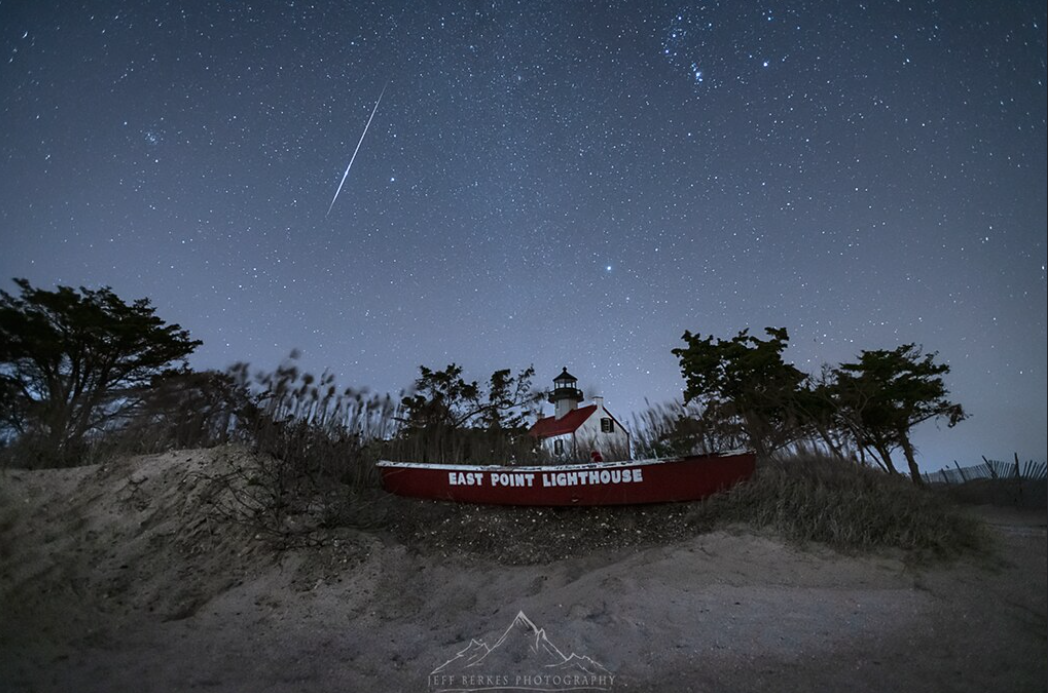
Prepare for an extraordinary celestial event as the **Leonid meteor shower** peaks early Monday morning, November 17, 2025. Stargazers should look to the skies for a chance to witness one of the best annual meteor displays, with the possibility of an auroral storm enhancing the experience.
This year presents a unique combination of factors that could lead to an impressive viewing opportunity. The **Moon** will be in a **6% waning crescent phase**, rising just two hours before dawn, which means the night sky will be relatively dark and free from moonlight. While 2025 is considered an off year for the Leonids, the shower’s peak activity is expected to increase as we approach 2033, when the next significant surge of meteors could occur.
The **Leonids** originate from the periodic comet **55P/Tempel-Tuttle**, which has a 33-year orbit. The meteor radiant, where the meteors appear to come from, will rise in the northeastern sky around **11 AM local time** for observers at mid-northern latitudes. Traditionally, the Leonids are known for their swift, blue-white meteors, making them a favorite among astronomy enthusiasts.
Expectations for November’s Celestial Show
In the late 1990s, the Leonids experienced a notable increase in activity, culminating in a historic peak in 1999 and 2000. During that time, observers in locations such as the deserts of **Kuwait** witnessed breathtaking displays as fireballs illuminated the dark landscape. The 1998 meteor shower remains a vivid memory for many who experienced its spectacle.
Although the meteor rates are anticipated to be lower this year, it is always worthwhile to monitor the skies when conditions are favorable. In addition to the meteors, a recent **X-class flare** from the sunspot region **AR 4274** could enhance auroral activity. This solar event, which took place on **November 14**, might produce a glancing blow to Earth’s magnetic field around the night of **November 16/17**.
Previously, the Veterans Day storm allowed auroras to be seen as far south as **Florida** and **Hawaii**, suggesting that this weekend could offer another opportunity for stunning displays in various regions.
A Historical Perspective on the Leonids
The Leonid meteor shower has captivated observers for centuries. Historical records date back to **902 AD**, with the 1833 shower astonishing early risers along the **U.S. Eastern Seaboard**. That event is often cited as one of the most remarkable meteor showers in history, with thousands of meteors lighting up the sky.
The Leonids have played a significant role in the development of meteor science, helping to establish the connection between meteors and their origins in space rather than being merely atmospheric phenomena. The remarkable **1966 Leonids** are particularly notable, with estimates suggesting up to **160,000 meteors per hour** were observed at that time.
Astrophotographers and stargazers alike are encouraged to take advantage of this weekend’s events. The combination of the Leonids and potential auroras offers a rare chance to capture a breathtaking moment in the night sky. Observers only need to find a dark location, free from light pollution, and be patient as they watch for these celestial wonders.
As we approach the peak of the Leonid meteor shower and anticipate possible auroral displays, the excitement builds. Will the lion roar again this year? Stargazers are invited to keep their eyes on the sky this Sunday night into Monday morning to find out.