Apple and Google Lead Tracker Tag Race with Superior Network Accuracy
New reports confirm Apple and Google have pulled decisively ahead in the battle for the most reliable Bluetooth tracking tags, delivering near-instant location updates for users across the United States, including Montana. Meanwhile, Samsung’s Smarttag continues to lag behind, showing substantial delays of several hours in position reporting during real-world tests.
These tracking tags work by connecting via Bluetooth to nearby phones, which then use their GPS connection to report the tag’s position to a vast network—in Apple’s case, the Find My system, and for Google, the newly improved Find Network. This collaborative network benefits from the millions of active phones contributing location data anonymously and securely.
Google’s Network Gains Massive Ground, Closing the Gap with Apple
Since launching with the Motorola Moto Tag in the summer of 2026, Google’s Find network has overcome early performance issues. Improvements allowing more Android phones to join the network have made Google’s tracking system now “almost on par” with Apple’s, based on independent tests.
Users approve their phones to report tag location silently, enabling tracking devices to sustain battery lives of up to a year without cellular connections. This innovative approach minimizes battery drain on users’ devices and maintains precise location updates.
Samsung Smarttag Falling Behind With Slow Updates
Despite Samsung operating its own system, limited to a subset of Galaxy smartphones that can report tag positions, the Smarttag underperforms compared to Apple and Google’s dominant networks. Tests revealed Samsung’s trackers sometimes fail to report positions for hours, such as in a recent multi-hour hike at Beijing airport where Apple and Google tags stayed continuously updated while Samsung’s showed no activity.
Experts highlight that Samsung’s network is inherently compromised by its smaller user base engaged in location sharing, reducing its effectiveness nationwide.
Key Features and User Benefits to Know
Apple’s Find system remains unique in alerting users when they leave a tag behind, a feature Google’s native Find network lacks but is partially offset by third-party apps like Chipolo adding warnings for Android users.
Many tracking tags offer additional conveniences beyond just locating lost items. For example, by tapping tags such as the Moto Tag or Samsung Smarttag, users can trigger ringing on their phones to find them more easily. Chipolo tags add remote phone-camera triggers, perfect for selfies or group photos.
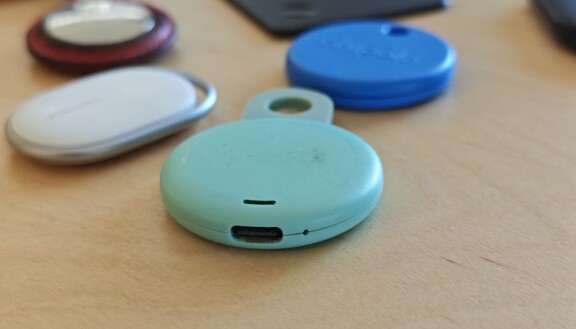
Notably, the Chipolo Loop and Card stand out with rechargeable batteries, eliminating the need for repeated battery swaps that are typical with the common CR2032 coin cells used in most other trackers.
Security and Privacy Measures Balanced With Convenience
Manufacturers including Apple, Google, Samsung, and others have taken serious steps to prevent misuse of trackers for illegal surveillance. Users receive alerts if an unknown tracking tag is detected moving with them, along with clear instructions to neutralize potential threats.
Contributing location data to these networks is voluntary and designed to minimize impact on data plans and battery life, reassuring users of privacy and control.
Practical Uses in Montana and Beyond
For Montanans balancing outdoor lifestyles and urban commutes, these advanced tracking tags provide vital peace of mind. With IP67-rated water and dirt resistance, they’re ideally suited for attachments to bikes, backpacks, or wallets—even in rugged terrain or wet weather conditions common across the state.
Experts advise pairing these tags with affordable accessories or keyrings for easy attachment, enhancing their utility for tracking everything from keys to outdoor gear.
What’s Next for Tracker Technology?
The competition between Apple and Google signals continuous innovation in location networks for consumers nationwide. As Google’s Find network expands its user base and capability, expect even faster, more precise tracking solutions entering the market. Samsung and other competitors face growing pressure to close the performance gap or risk obsolescence in this rapidly evolving space.
For now, Apple and Google users can rely on robust ecosystems that facilitate near real-time tracking, long battery life, and rising security protections—key factors that raise the standards for every Bluetooth tag on the market.
“Both Apple and Google’s systems performed excellently in real-world testing, maintaining continuous, up-to-date location reporting” – independent tech analyst
Stay tuned for ongoing updates about tracking tech innovations and how they keep communities in Montana and beyond safer and more connected.