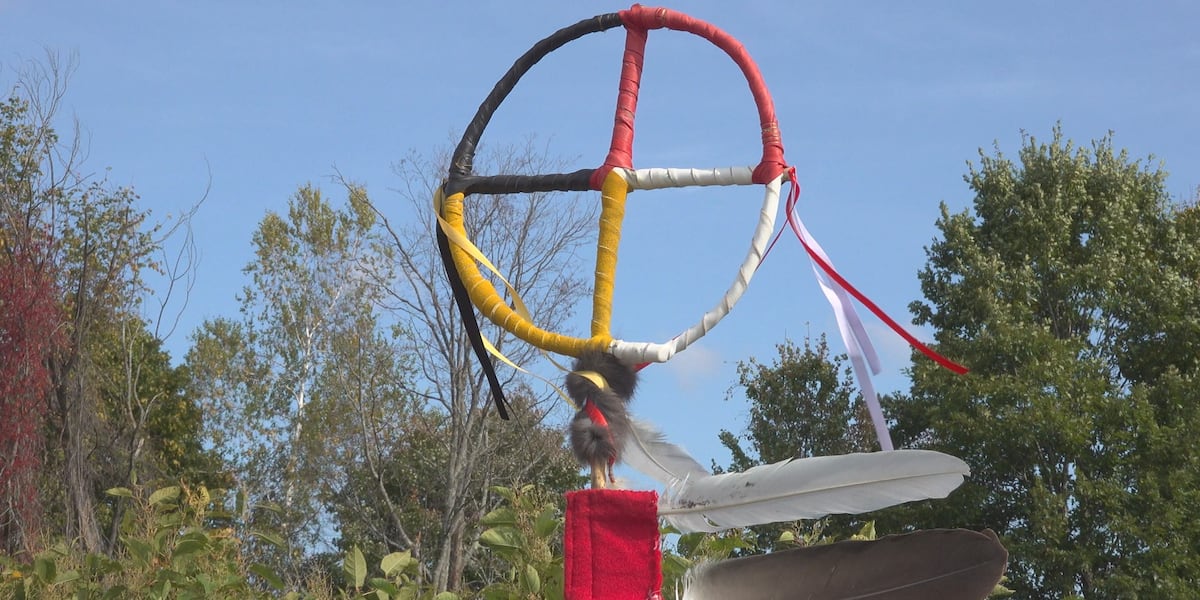
Vermont Grants Historic State Recognition to Abenaki Tribe
Vermont took a decisive step on May 3, 2006, officially recognizing the Abenaki people as the state’s Indigenous inhabitants after decades of persistent advocacy. Governor Jim Douglas signed the landmark law, cementing the Abenaki’s place in Vermont’s history and culture despite the federal government’s prior refusal to grant tribal recognition.
“Vermont’s history and heritage are very special indeed. History is important to Vermonters because it allows us to understand who we are,” Douglas said, emphasizing the significance of the decision for preserving the Abenaki language, culture, and legacy.
The state recognition marks a major breakthrough since the federal denial blocked the Abenaki from pursuing land claims and establishing casinos. Vermont lawmakers chose to honor the tribe at the state level to rectify decades of exclusion and officially acknowledge the Abenaki as the original stewards of the land now known as Vermont.
New Hampshire’s Old Man of the Mountain Collapses in 2003
On this date three years earlier, May 3, 2003, New Hampshire lost one of its most iconic natural symbols — the Old Man of the Mountain. The granite rock formation that resembled a giant human face on Cannon Mountain collapsed, ending an estimated 10,000-year legacy.
The Old Man was an emblem visible on license plates, quarters, and state branding across New Hampshire and beyond. Its sudden fall was a stark reminder of the fragile nature of even the most enduring symbols shaped by nature.
While Vermont secures Indigenous recognition, New Hampshire reflects on the loss of a landmark that shaped state identity for generations.
Why This Matters Now
For readers across Montana and the United States, Vermont’s Abenaki recognition underscores a rising national movement to honor Indigenous histories at the state level when federal avenues stumble. It calls attention to ongoing efforts to preserve Native American languages and cultures amid modern political and cultural landscapes.
Meanwhile, the Old Man of the Mountain collapse serves as a powerful metaphor for nature’s unpredictability and the importance of protecting cultural and natural landmarks that define regional identities from the Rockies to the Appalachians.
Looking Forward
Vermont’s move is anticipated to fuel momentum in other states grappling with how best to recognize Indigenous peoples authentically. It also stands as a precedent for balancing cultural acknowledgment with legal and political realities at federal and state levels.
In New Hampshire, efforts continue to memorialize the Old Man through parks and memorials, preserving its image for future generations despite the permanent loss of the natural formation.
Montana readers and US audiences watching tribal recognition movements and landmark preservation can find parallels in their own states as communities seek justice, remembrance, and respect for natural heritage and Indigenous rights.
“History is important to Vermonters because it allows us to understand who we are,” — Governor Jim Douglas, 2006