Artist Highlights Resilience of Chelsea NYCHA Residents Amid Urgent Redevelopment
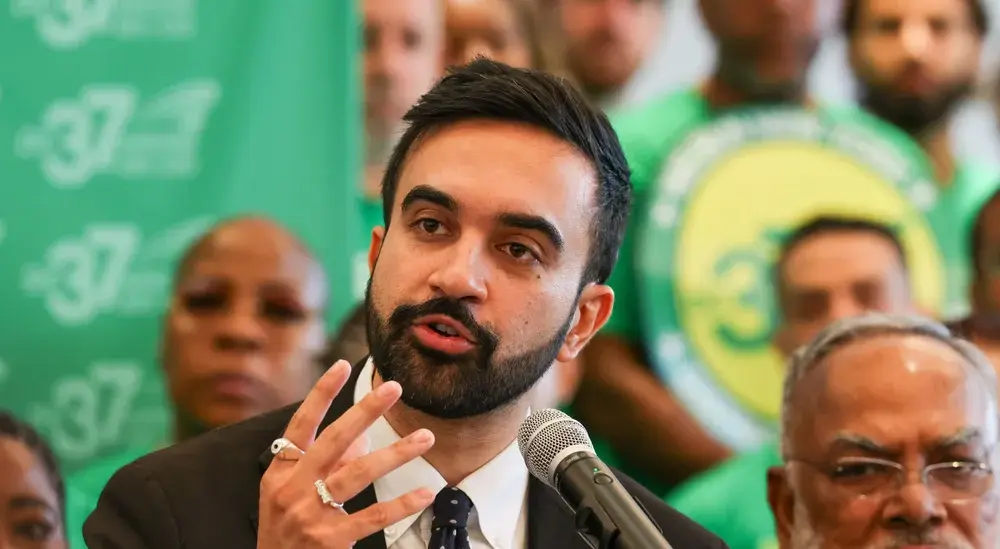
Maria Lupanez, a Chelsea-based artist and longtime resident, is putting a human face on New York City’s oft-misunderstood public housing community as NYCHA tears down and rebuilds the Chelsea-Elliot Houses.
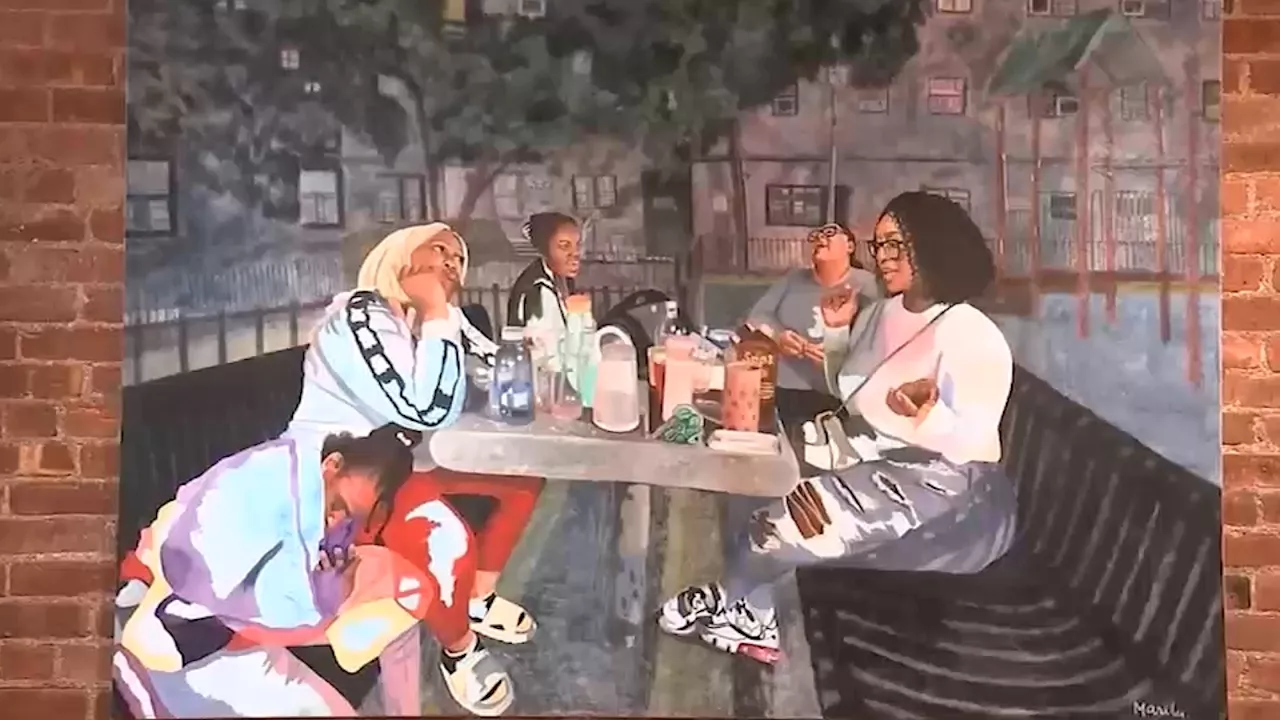
Her new gallery, “I can’t let go,” opens a window into a neighborhood caught in the crossfire of rapid urban redevelopment. Located just blocks from the gleaming towers of Hudson Yards, Lupanez’s paintings celebrate the deep bonds and daily acts of love among public housing neighbors, defying assumptions of crime and poverty that overshadow these communities.
“Public housing has this stigma of crime and bad, poverty people, and it doesn’t feel that way,” Lupanez said. “We’re rich with love and community. We’re always there to help each other out at a moment’s notice. I just want people to see we’re not strangers on a block.”
Residents Face Uncertainty Amid NYCHA Redevelopment
Helen Torres, a lifelong Chelsea resident currently living in the NYCHA complex, expressed mixed feelings about the changes sweeping the neighborhood. While acknowledging that “everywhere needs change,” she fears losing the close-knit fabric of a community that has been her home all her life.
“Let’s keep the old school going on. Let’s keep the families together,” Torres said.
NYCHA’s extensive redevelopment plans involve demolishing aging structures and replacing them with modern buildings to improve living standards. However, many residents like Torres face displacement or temporary upheaval during construction, creating uncertainty about their futures.
An Urgent Story of Community Strength for National Audiences
As public housing redevelopment accelerates in major US cities, Lupanez’s gallery arrives as a critical narrative that challenges one-dimensional portrayals of urban poverty. Her artwork resonates beyond Chelsea, spotlighting themes relevant to Montana and national readers: community resilience, urban change, and the human costs behind redevelopment policies.
For Montanans watching national urban trends, this Chelsea story underscores the complex realities facing public housing residents across the country. While Montana’s urban areas may differ, issues of affordable housing and community displacement remain urgent concerns nationwide.
What’s Next for Chelsea’s Public Housing Community?
NYCHA redevelopment proceeds in phases, with community input sought to minimize disruption, but the tightrope of preserving place-based identity amidst modernization continues. Lupanez plans to expand her gallery to include more residents’ stories and hopes her art will influence policymakers and the public alike.
“I just want to show who we are as a community there. I just wanna show us,” she said.
Her work offers a vital counterpoint: the human pulse beating beneath the concrete walls and construction fences, urging respect for legacy amid progress.
Resources and firsthand accounts like these become essential as cities across America, including in Montana’s growing urban centers, wrestle with equitable development and housing justice.
For those eager to follow this story or submit tips on community-driven urban issues, Montana Insider encourages readers to connect and share.