US Restricts Nuclear Intelligence Sharing with South Korea
The United States has imposed limits on the intelligence it shares with South Korea after a public revelation of North Korea’s uranium enrichment facility sparked tensions in the military alliance, according to recent reports. The move comes following claims that a South Korean lawmaker disclosed classified information about North Korea’s nuclear program.
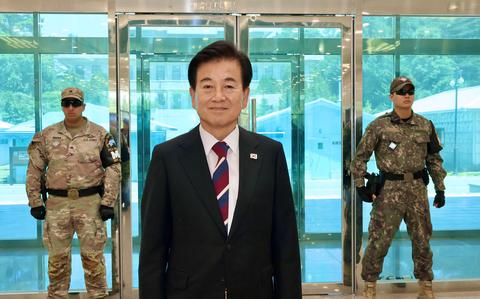
South Korea’s Unification Minister Chung Dongyoung highlighted the Kusong region as a site for uranium enrichment during a National Assembly committee meeting on March 6. The remarks, captured on YouTube, prompted alarm within the intelligence community because details of the facility are classified as a “joint secret” shared only between the U.S. and South Korea, per the Defense Intelligence Agency.
According to Yonhap News, citing unidentified sources, the US has since reduced South Korea’s access to intelligence on North Korea’s nuclear installations. While this intelligence sharing curtailment does not appear to have degraded real-time military operations—South Korean officials said allied coordination during North Korea’s missile launches in March and April remained unaffected—the development signals heightened distrust between Washington and Seoul.
Alliance Strained as Officials Weigh In
South Korea’s Ministry of National Defense spokeswoman Chung Binna declined to confirm or deny the US intelligence-sharing limits, emphasizing the close communication between Seoul and Washington. “Specific, real-time disclosure of the status of information sharing between South Korea and the U.S. in particular fields is entirely detrimental to our national security and the U.S.-South Korea alliance,” she stressed.
Meanwhile, South Korean National Security Adviser Wi Sung-lac, traveling with President Lee Jae Myung in Hanoi, confirmed active communication with US counterparts to resolve the issue but refrained from confirming the reports due to the sensitivity of intelligence matters.
On the political front, National Defense Committee Chair Rep. Sung Il-jong criticized Minister Chung’s remarks as damaging to the US-South Korea alliance. He alleged that Gen. Xavier Brunson, commander of US Forces Korea, met with South Korea’s Defense Minister to protest the disclosure. However, the Ministry of National Defense dismissed this claim as “not true at all.”
Context and What to Watch
North Korea’s nuclear program remains a foremost security concern for the United States and its allies, especially South Korea and Japan. Intelligence cooperation is critical for monitoring Pyongyang’s ballistic missile tests and nuclear development. Any disruption to this partnership risks weakening the allies’ preparedness and diplomatic stance against North Korean provocations.
President Lee defended Minister Chung on social media, noting that information about the Kusong facility had been publicly available prior to the meeting. Despite this, the incident underscores the fragile balance of trust that governs military and security collaboration between the US and South Korea.
As officials from both countries engage in ongoing talks, all eyes are on how swiftly and effectively the alliance can mend this breach without compromising readiness. Intelligence sharing remains a pulse point for the broader US presence and strategic interests in the Indo-Pacific region.
Montana readers and US national security watchers should monitor further developments closely as the situation evolves, with potential ripple effects on regional stability and US defense postures in Asia.