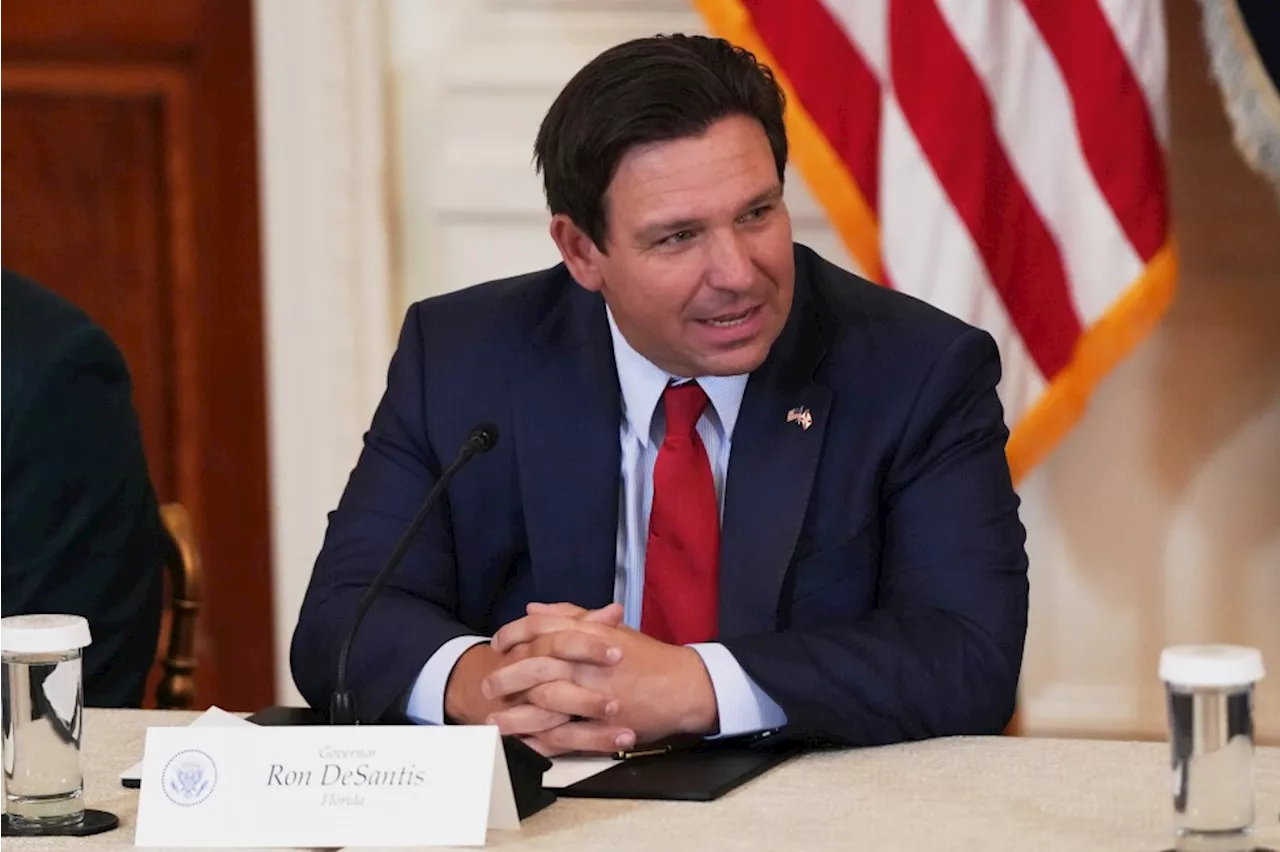
TALLAHASSEE, Fla. — Florida Governor Ron DeSantis is erupting back into the national spotlight with a bold push to redraw Florida’s congressional map this week, aiming to hand Republicans an additional four seats ahead of November’s critical midterm elections.
DeSantis unveiled his aggressive proposal Monday, claiming the state’s population was undercounted in the 2020 census and that redistricting is necessary. His plan targets Democratic-leaning districts around Orlando and Tampa Bay and would pack Democratic voters into fewer South Florida districts — moves that could oust prominent Democrats like Representatives Jared Moskowitz and Debbie Wasserman Schultz. The current map favors Republicans 20-8; DeSantis seeks to expand that tilt to 24-4.
This special legislative session starting Tuesday represents one of DeSantis’ last major opportunities in his second and final term to cement his standing as a national Republican leader. With former President Donald Trump likely barred from a 2028 presidential run, observers see DeSantis’ influence growing but facing intense internal competition from GOP figures like Vice President JD Vance and Senator Marco Rubio.
Yet the proposal carries steep risks. Some Republicans warn that aggressively redrawn districts with narrower GOP margins could backfire, enabling Democrats to pick up seats if the anti-Trump backlash swells at the polls. Former White House adviser Karl Rove warned that overreach could cost Republicans “a seat or two.”
House Speaker Daniel Perez and Senate President Ben Albritton have signaled cautious cooperation but stressed adherence to Florida’s constitutional restrictions against blatantly partisan lines. Perez told local media the House is “ready to have that conversation” but has so far stayed circumspect.
Alongside redistricting, DeSantis is pushing for tougher regulations on artificial intelligence, including parental controls on chatbot interactions for children, and wants to relax vaccine mandates in public schools by adding conscience-based exemptions. These measures have previously stalled in the House.
DeSantis’ renewed assertiveness comes just weeks after House Minority Leader Hakeem Jeffries challenged Florida Republicans to hold a special session. DeSantis fired back aggressively, offering to host Jeffries in the Florida governor’s mansion and take him fishing — a nod to his combative political style.
Influential Florida lobbyist Brian Ballard praised DeSantis’ savvy, noting his key role in the 2021 redistricting that created current GOP advantages. “He’s incredibly smart and capable… And he doesn’t get enough credit for that map. He’s done this before,” Ballard said.
Still, the governor’s relations with Republican lawmakers remain tested, especially as the Florida House has pushed back against him on several fronts lately. Ballard framed this as a typical political adjustment. “He went from batting a thousand to maybe batting .600. That isn’t failure,” Ballard said, alluding to DeSantis’ Yale baseball days.
The stakes are high as this session could redefine Florida’s political landscape and DeSantis’ national future. Despite past rivalry and tension with Trump — including harsh public criticism during the 2024 presidential race — DeSantis endorsed Trump following his Iowa caucus victory and remains locked in the struggle for GOP leadership. With Florida’s fast-growing population and pivotal electoral role, the outcome here will resonate far beyond state lines.
Lawmakers are expected to debate the proposals intensively throughout the week, with final votes likely to shape GOP fortunes—and DeSantis’ political legacy—as the 2026 midterms approach.