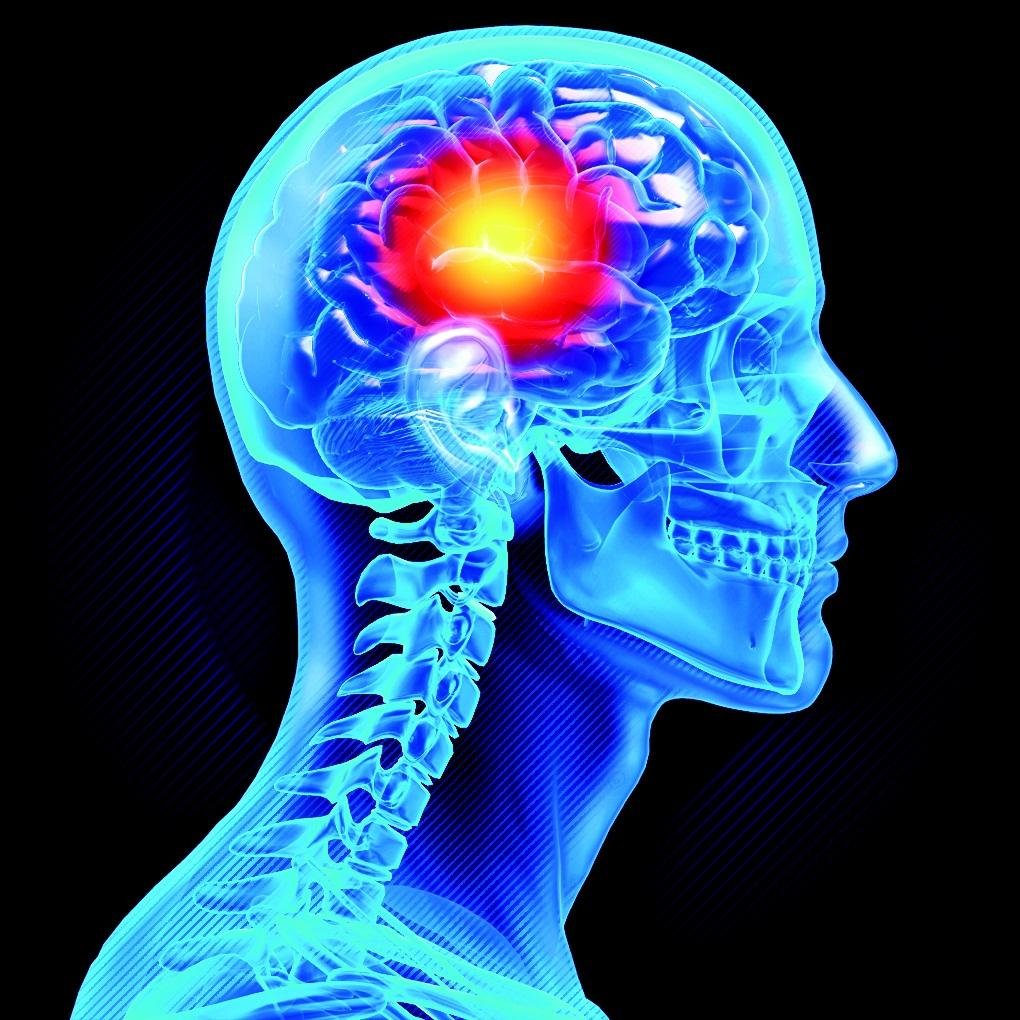
Mental Health and Invisible Illnesses Are Crippling Americans Without Visible Signs
MONTANA INSIDER — Millions of Americans face debilitating health challenges every day that remain invisible to others, leaving many isolated and misunderstood in their suffering. Despite the physical pain and mental exhaustion they endure, these individuals often receive no meals, no help, and little empathy because their conditions cannot be seen.
From autoimmune diseases like Ehlers Danlos Syndrome to mental health battles such as severe depression and chronic anxiety, the invisible nature of these illnesses leaves sufferers struggling silently. In many cases, the public’s inability to recognize these conditions fuels stigma and unfair judgment.
Why Invisible Illnesses Are a Public Health Emergency
Shirley, a health advocate and therapist, describes her personal experience with a Jones Fracture that demanded 14 weeks of immobility—an obvious injury that attracted sympathy and support. In stunning contrast, her daughter’s condition, Ehlers Danlos Syndrome, causes chronic joint pain and muscle fatigue yet shows no outward signs, leaving sufferers to battle skepticism daily.
“Mental health conditions are what we call the ‘no casserole’ conditions,” Shirley explains. Unlike visible injuries, psychological illnesses such as clinical depression, anxiety, or suicidal ideation don’t trigger the usual community support or understanding, often forcing patients to hide their struggles to avoid negative reactions.
The emotional toll can be profound. People with unseen illnesses find themselves depleted not only by their symptoms but also by the effort to mask their pain to fit societal expectations of ‘being fine.’ This double burden intensifies feelings of loneliness and isolation.
How to Support Those Battling Invisible Conditions
Experts emphasize the critical importance of validation and open communication. Shirley urges individuals battling invisible illnesses to seek support and clearly communicate needs: “I need you to just listen sometimes. I don’t need advice, but rather a supportive and caring conversation.”
Self-advocacy is another essential strategy. Patients must describe symptoms in detail to medical professionals and confidently set boundaries in social settings—whether that means leaving early from events or declining invitations when energy reserves are low.
Mindfulness, paced activity, therapy, and flexibility are recommended to manage invisible conditions effectively. Importantly, education is vital. Raising public awareness helps build empathy and dismantle misconceptions that label those with invisible illnesses as “lazy” or “faking.”
Montanans and Americans Face Ongoing Challenges of Invisible Health
The challenges are widespread across Montana and the US, where mental health conditions impact millions. According to the National Alliance for Mental Health, knowledge remains a pivotal barrier. “They cannot know until they know,” the organization stresses, underscoring the need to educate communities on invisible health struggles.
By fostering understanding and encouraging open dialogue, the isolation felt by many affected can be eased. With the mental health crisis worsening nationwide, addressing invisible illnesses no longer can be deferred.
For those fighting invisible health battles in Montana or nationwide, Shirley is available for questions at [email protected] to offer guidance and support.
Breaking the silence and building community support for invisible conditions is a matter of urgent public health—because what we cannot see in others may hide the deepest pain.