New 3D Universe Map Unveiled as Climate Crisis Nears a Tipping Point
The cosmic frontier has expanded dramatically with scientists unveiling the largest-ever 3D map of the universe, an extraordinary chart of 47 million galaxies stretching from the Milky Way to the distant era called cosmic noon. This groundbreaking achievement pushes the boundaries of cosmic knowledge, revealing the intricate large-scale structure of matter across space and time.
While the cosmos dazzles, Earth scientists are sounding alarms closer to home. Recent observations show the Atlantic Meridional Overturning Circulation (AMOC) — a vital ocean current that regulates global climate — edging dangerously close to collapse. Experts warn a potential failure could trigger severe climate disruptions worldwide, fueling extreme weather events that could directly impact regions including Montana through altered rainfall and temperature patterns.
Artemis II Crew Shares Stunning Earth Departure; Moon’s Far Side Revealed
The Artemis II mission crew has shared a profoundly emotional account of the instant Earth disappeared from view on their journey around the moon, underscoring humanity’s fragility and the preciousness of our planet. Alongside this emotional perspective are the first-ever images captured from the moon’s far side — breathtaking “Earthset” views and a total lunar eclipse observed from space, providing Americans a fresh celestial perspective as Artemis paves the way for sustainable lunar exploration.
Adding to the excitement, a giant solar hole has opened, promising viewers across several US states a stunning display of Northern Lights in the coming nights. This rare solar event triggers powerful auroral activity that could light up Montana’s skies, sparking interest from skywatchers and scientists alike.
Hubble Space Telescope Revisits Cosmic Marvels, Tracking Nebulae Transformations
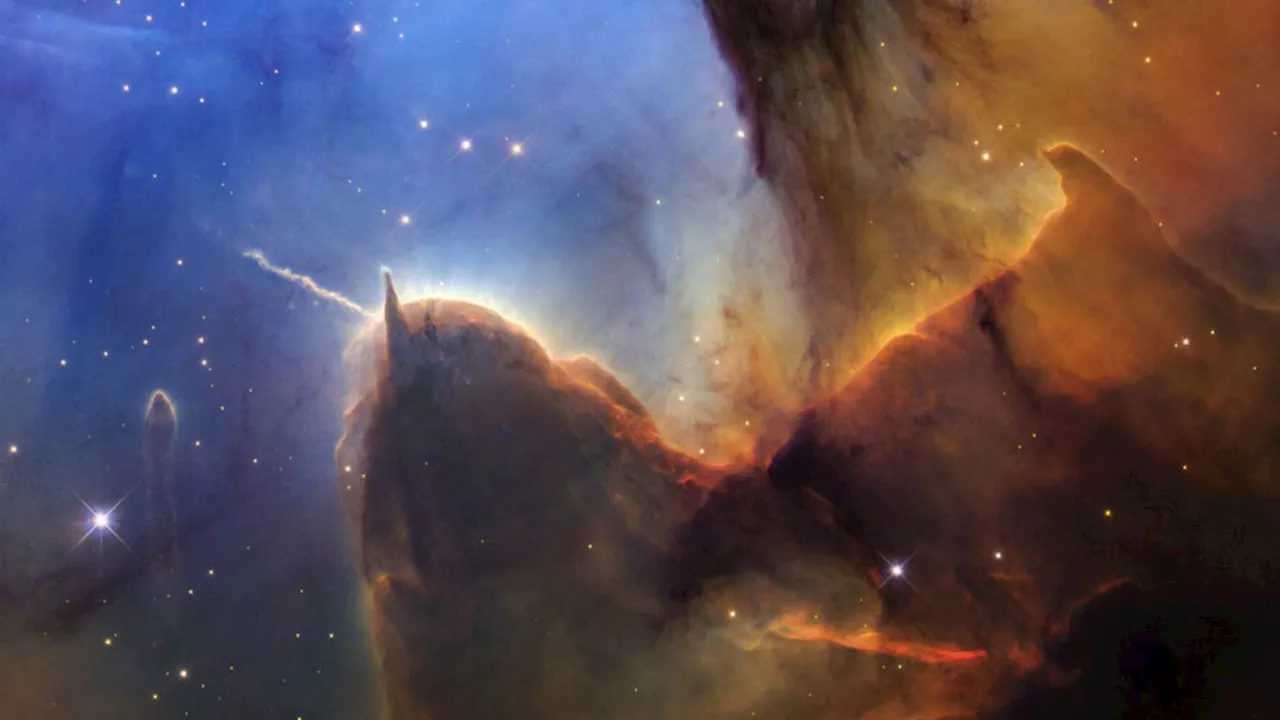
The Hubble Space Telescope is still capturing awe-inspiring views, recently releasing a detailed new portrait of the Trifid Nebula, a vibrant star-forming region located 5,000 light-years away. Nicknamed the “Cosmic Sea Lemon,” this nebula shows glowing ridges, speckles, and horn-like features sculpted by the ultraviolet radiation and stellar winds from young massive stars.
Hubble’s latest images, compared with those taken 25 years ago of the Crab Nebula, reveal remarkable changes in this supernova remnant, enabling astronomers to study the dynamic evolution of space explosions. The new data also illuminate a jet of energetic material shooting from a baby star within the Trifid Nebula, offering clues about the forces shaping future star systems.
Scientific Breakthroughs and Urgent Health Concerns
Beyond space, researchers have engineered artificial neurons, signaling progress toward advanced medical treatments for neurological diseases that could transform healthcare in Montana and nationwide. Meanwhile, a rare but deadly brain-eating amoeba continues to prompt urgent calls for better detection and therapies to protect vulnerable communities.
In archaeology, a startling discovery of an Iliad manuscript inside an Egyptian mummy reveals unexpected ancient cultural exchanges and deepens understanding of literary traditions across civilizations.
What’s Next?
With constant data streaming from telescopes and labs worldwide, scientists promise more breakthroughs on the horizon. The convergence of cosmic exploration, climate alerts, medical advances, and archaeological finds offers a powerful reminder of our universe’s complexity and the urgent need to steward life on Earth carefully.
Montana residents and Americans everywhere can follow these developments closely through dedicated science newsletters and skywatching updates as these discoveries unfold in real time.