Portland Trail Blazers Owner Implements Stark Cost Cuts That Shake NBA Norms
The Portland Trail Blazers are facing sharp criticism after owner Tom Dundon initiated aggressive cost-cutting measures that break with traditional NBA luxury standards. The moves, reported this week, include banning two-way players from traveling with the team and eliminating fan giveaways during a critical playoff run.
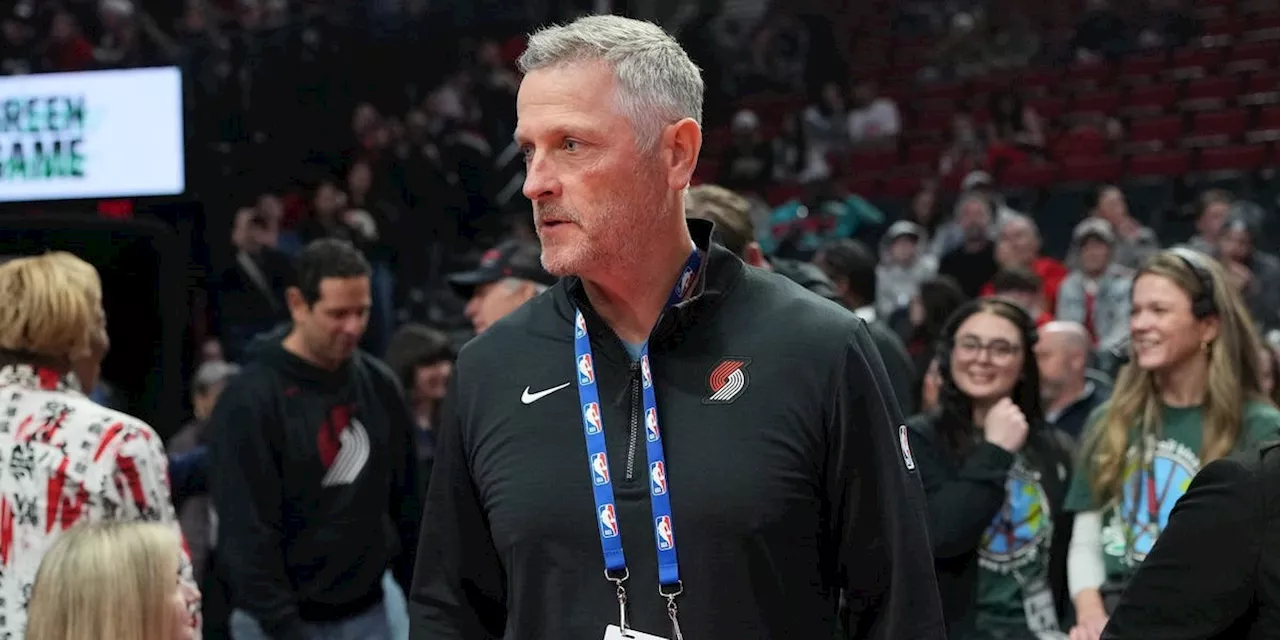
Dundon, a billionaire who acquired the Blazers for $4.25 billion earlier this year, is pushing a hardcore business “grindset” approach that has drawn comparisons to corporate worlds demanding more output with fewer resources. His actions have reverberated among players, coaches, NBA insiders, and fans.
Frugality Cuts Deep – From Players to Fans
Two-way players, who are essential for team depth despite limited NBA minutes, were reportedly excluded from team travel. The decision, highlighted by The Rose Garden Report, upended typical NBA protocol where all roster members usually travel together for cohesion and readiness.
Moreover, late hotel checkouts—previously allowed for non-player staff such as masseuses—were banned ahead of the Blazers’ NBA Play-In tournament opener. Interim head coach Tiago Splitter raised concerns to The Athletic about whether the team’s masseuse had sufficient time and space before crucial games. This constraint signals a tightened operational discipline not common in professional sports.
Fans also felt the sting of Dundon’s thrift, with the Blazers opting out of handing out free T-shirts before a pivotal playoff home game, a stark contrast to their first-round opponent, the San Antonio Spurs, who distributed coordinated fan apparel.
NBA Leader, Owners React to Scrutiny
NBA Commissioner Adam Silver addressed the growing debate over Dundon’s spending approach on Pardon My Take, defending the Blazers owner’s strategy amid criticism of “being cheap.” Silver pointed to Dundon’s track record with the NHL’s Carolina Hurricanes, whom Dundon bought in 2017 and transformed into consistent playoff contenders. “He knows what he’s doing,” Silver said, underlining that the cost savings on amenities are part of a broader business mindset rather than simple penny-pinching.
Meanwhile, billionaire owner Mark Cuban of the Dallas Mavericks weighed in with a professional perspective. Cuban revealed how rising franchise valuations and investor pressures have shifted the dynamics for team owners. “The only way to get the team in a position to truly succeed… is to get to at least break even,” Cuban told Business Insider. He praised Dundon for his basketball knowledge and dedication to the game, suggesting the owner’s focus may eventually pay dividends.
From Lavish Perks to Lean Operations
Dundon’s approach sharply contrasts with Portland’s previous era under Microsoft cofounder Paul Allen, known for his lavish treatment of players, including washing cars during practice and offering private jets. Allen’s tenure ended with a focus on star-studded luxury, while Dundon seeks a rigorous, business-first ethos.
Former Trail Blazers coach Nate McMillan recalled Allen’s generosity, noting the owner’s penchant for hosting players on his yacht and promising extravagant rewards for victories. Cuban echoed that competitive, extravagant mindset, sharing how he once aimed “to embarrass other owners” with lavish hospitality.
What’s Next for the Blazers?
The Blazers are navigating a high-stakes playoff run with these operational changes under intense scrutiny, both inside the NBA and on social media. Fans and media are watching closely whether Dundon’s steely financial discipline will translate into sustained competitive success or if it alienates key stakeholders.
As the Trail Blazers prepare to face the Spurs in the opening round, the question looms: can a hardline business strategy coexist with the demanding culture of professional basketball, or will it fracture team morale and fan support?
Montana and U.S. sports followers tracking NBA ownership shifts and franchise strategies should stay tuned as this evolving story highlights broader tensions between profitability and player experience in elite sports.