Angus Taylor Criticizes Welcome to Country Ceremonies Amid Anzac Day Booing Fallout
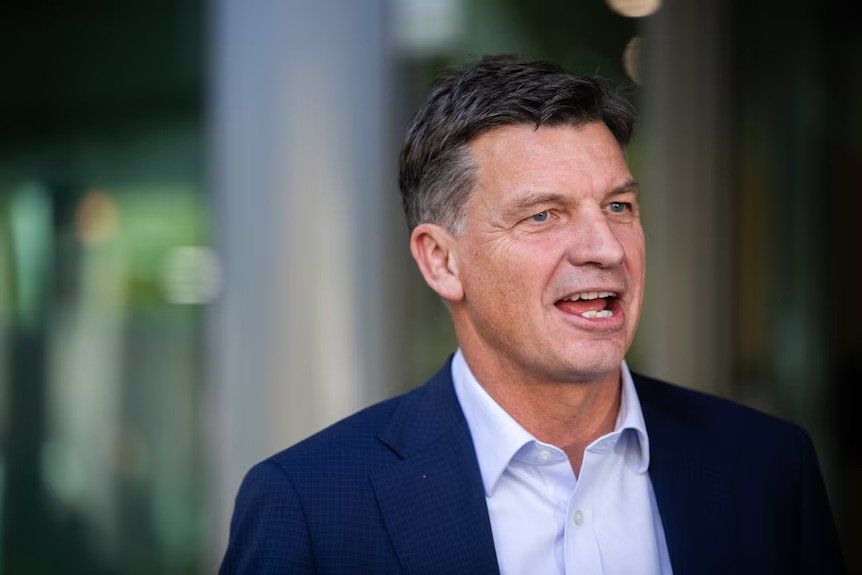
Opposition Leader Angus Taylor ignited fresh controversy after claiming Welcome to Country ceremonies are “overused” just days after Aboriginal Elders were rudely booed during Anzac Day services in multiple Australian cities.
Speaking on ABC Insiders the day following the incidents in Melbourne, Sydney, and Perth, Taylor condemned the booing but suggested he understood the “frustration Australians feel about over-use” of Welcome to Country ceremonies. “I think it is overused and as a result they are devalued,” Taylor said. “I would like to see them used less and therefore not devalued.”
Taylor’s remarks mirror sentiments voiced by former Liberal leader Peter Dutton during last year’s federal election campaign, who argued these Indigenous acknowledgments were “dividing the country” much like the Voice referendum.
Booing at Anzac Day Sparks Outrage Across Australia
On Anzac Day, Bunurong Elder Mark Brown was booed while performing a Welcome to Country at Melbourne’s Shrine of Remembrance. In Sydney, Aboriginal elder Ray Minniecon faced interruptions during an Acknowledgment of Country, and in Boorloo/Perth, veteran and Whadjuk Noongar Elder Di Ryder was also targeted by hecklers.
Such disruptions prompted widespread condemnation. Stephen Barton, chief executive of RSL WA, called the booing “one of the most disgraceful things I have ever heard” and extended sincere thanks to Ryder for her address.
Victorian Premier Jacinta Allan denounced the disruptions at Melbourne’s dawn service as “ugly behavior” that disrespects both Aboriginal servicemen and everyone who fought for freedom. “Politicising this sacred day is bastardry,” she added, urging leaders to condemn the acts.
Investigations revealed some booing organizers had ties to far-right groups. Fight for Australia, an anti-immigration group, openly urged supporters via social media to oppose Welcome to Country ceremonies. Additionally, The Age reported former members of the now-disbanded National Socialist Network were involved in the Melbourne disruptions.
Indigenous Leaders Demand Accountability and Respect
Indigenous academic Marcia Langton penned a powerful response in The Guardian Australia, calling for those who heckled to face bans from future events. Highlighting that over 118 Aboriginal and Torres Strait Islander men served in the Australian Light Horse in World War I, Langton insisted the sacred moments during Anzac commemorations must be protected.
“The morons who tried to snatch the sacred moment away from them, and those of us who observe with them at dawn services, deserve more than contempt and a few words of rancour.”
Political Fallout and Ongoing Debate Around Cultural Ceremonies
Despite condemning the booing, Taylor stopped short of criticizing far-right politician Pauline Hanson regarding her immigration stance. He emphasized that event organizers should decide on Welcome to Country ceremonies but suggested fewer ceremonies would make them more meaningful.
The debate feeds into a growing national conversation over Indigenous recognition and reconciliation gestures, spotlighting deep divisions in public opinion. With Anzac Day being one of Australia’s most solemn national days, the clashes expose how contentious cultural symbols can become.
What to Watch Next
Authorities and community leaders are calling for stricter measures to protect Indigenous Elders and their role in public ceremonies. The RSL and Indigenous groups plan ongoing dialogue to ensure respect during future commemorations.
Meanwhile, political figures like Taylor and Dutton continue to debate the frequency and impact of Welcome to Country ceremonies—raising questions about how Australia balances tradition, reconciliation, and public sentiment, a discussion resonating internationally as nations grapple with Indigenous rights.