
California GOP Secures Ballot Spot for Controversial Voter ID Amendment
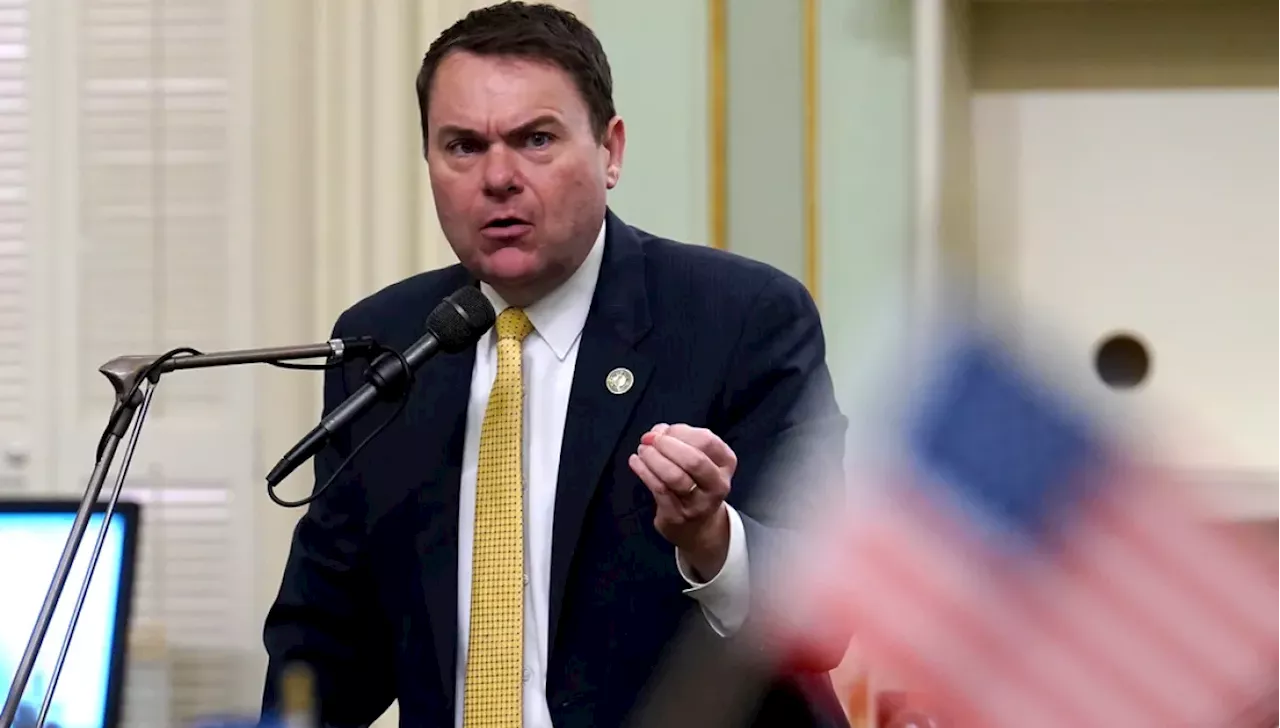
California Republican Assemblyman Carl DeMaio has officially secured enough signatures to put a sweeping voter ID amendment on the statewide ballot. The measure seeks to amend the California Constitution to require voters to present government-issued identification before casting ballots at polling places or provide partial ID numbers for mail-in voting.
DeMaio announced this milestone outside the California State Capitol in Sacramento on Friday, confirming that his team collected more than the necessary 875,000 signatures by the March 18 deadline. Alongside DeMaio, State Senator Tony Strickland and Californians for Voter ID are listed as key proponents of the initiative.
What the Amendment Demands
The proposed amendment would alter current rules requiring voters only to provide ID and Social Security numbers when registering—not when voting. Under the new rules, voters would need to show government-issued photo identification at polling sites or provide the last four digits of their ID during mail-in voting. This marks a significant shift toward stricter voter verification mechanisms in California’s elections.
“Voters will be able to restore election integrity in our state, citizenship verification, auditing voter rolls, and yes, requiring ID to vote,” DeMaio said during his announcement. He also warned of fierce opposition, noting that Democrats in California are preparing to mount significant resistance. He accused them of playing “dirty tricks” without offering specifics.
Opposition Mounts as Debate Heats Up
Democrats and civil rights groups have condemned the measure. Jenny Farrell, executive director of the League of Women Voters of California, slammed the proposal, asserting it aims to “import the current federal administration’s election lies and intimidation tactics into California.”
“This voter ID measure is not about protecting voters; it exposes sensitive personal information, risks rejecting eligible ballots, and wrongly targets voters through error-prone citizenship checks,” Farrell said.
The controversy places California in the national spotlight amid ongoing debates over election integrity and voter access across the United States. While some see voter ID laws as essential safeguards against fraud, opponents argue they disproportionately suppress turnout among minority and vulnerable populations.
Background and Next Steps
This signature drive follows legislative setbacks for similar initiatives. DeMaio previously introduced the California Voter ID and Election Integrity Act of 2026, which failed to advance beyond committee review.
Now that the measure is secured for the November ballot, the fight moves to voters. The outcome will shape how Californians vote in upcoming elections and could influence national discussions about voter ID laws, which remain a flashpoint in US politics.
Montana voters and policymakers watching election security debates outside their own state will find the California battle particularly relevant. As states across the country grapple with balancing election access and fraud prevention, California’s approach may serve as a bellwether for future nationwide trends.
Stay tuned for ongoing coverage as November approaches
Expect heightened campaign activity, stakeholder lobbying, and legal challenges as California prepares to decide one of its most divisive election reforms to date.


