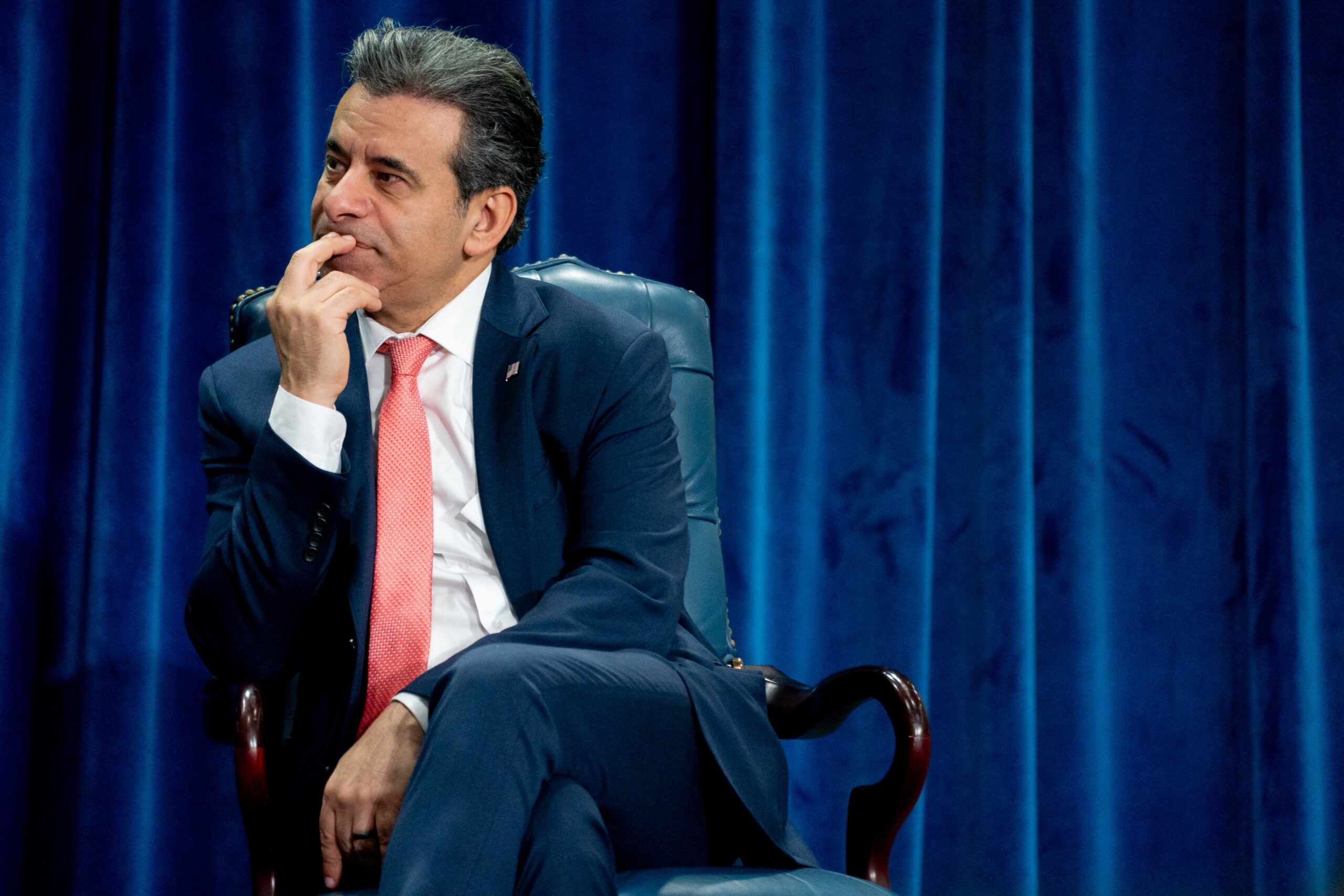
Dr. Marty Makary, a prominent figure in the field of healthcare policy, is advocating for significant reforms to the processes governing Institutional Review Boards (IRBs) that oversee clinical trials in the United States. His call for change comes in light of the rapid advancements in clinical trial initiation in countries like China, which have outpaced the current U.S. procedures.
IRBs play a crucial role in ensuring the safety and ethical treatment of participants in clinical trials. However, Makary argues that the existing framework is outdated and needs to evolve substantially to maintain competitiveness on a global scale. He emphasizes the urgency of these reforms, stating that the U.S. must adapt quickly to keep pace with international developments.
Urgency for Reform
Makary’s concerns are underscored by the fact that clinical trial approval processes in the U.S. have become increasingly lengthy and complex. According to recent data from the Food and Drug Administration (FDA), the average timeline for initiating a clinical trial can extend over a year, while other countries, particularly in Asia, boast significantly shorter approval times.
During his remarks at a recent healthcare conference, Makary highlighted specific examples of how streamlined processes abroad have led to faster patient access to innovative treatments. He pointed out that the National Institutes of Health (NIH) must take a proactive role in modernizing IRB protocols to foster a more efficient clinical research environment.
Makary proposed a series of reforms aimed at simplifying IRB processes. These include reducing bureaucratic hurdles, enhancing transparency, and promoting collaboration among researchers and regulatory bodies. He believes that such changes will not only benefit researchers but also accelerate the delivery of new therapies to patients in need.
Comparative Global Landscape
The competitive nature of global healthcare innovation has put pressure on U.S. institutions to rethink their approaches. Countries like China have demonstrated the ability to launch clinical trials at a remarkable pace, attracting significant investments and fostering rapid advancements in medical technology. This trend raises questions about the long-term viability of U.S. leadership in medical research if reforms are not implemented.
The disparities in trial initiation times could have profound implications for patient care and the overall effectiveness of healthcare systems. Makary’s advocacy for reform is not just about efficiency; it is fundamentally about improving health outcomes for individuals who rely on breakthrough treatments.
In conclusion, Dr. Marty Makary is calling for a transformation in how IRBs operate to ensure that the United States remains at the forefront of clinical research. His vision for change prioritizes patient safety while also recognizing the necessity of speed in an increasingly competitive global landscape. As the conversation around these reforms continues, stakeholders across the healthcare spectrum will need to engage in a collaborative effort to bring about meaningful change.