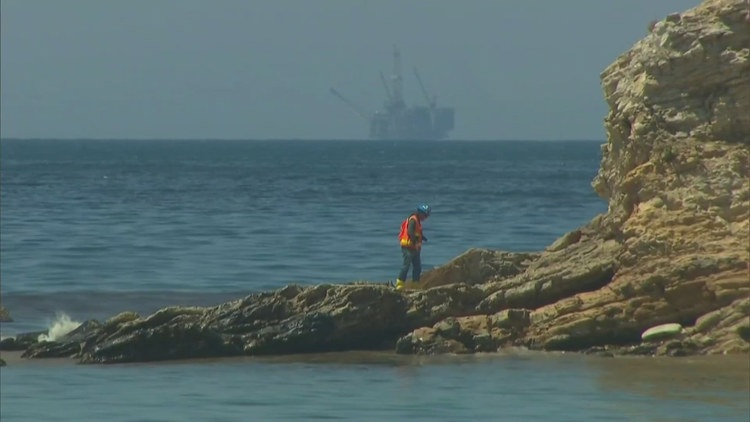
The Trump administration’s decision to revive the oil pipeline in California has ignited a significant legal and environmental battle. This action, announced on August 15, 2023, comes as part of a broader push to increase domestic energy production. Critics, including California Governor Gavin Newsom, argue that restarting the pipeline would contravene existing court orders while posing risks to the state’s coastal communities and economy.
Governor Newsom expressed strong disapproval, emphasizing the potential dangers associated with the pipeline’s operations. He stated, “The integrity of our environmental laws and the safety of our coastal communities are at stake.” This statement reflects deep concerns from both environmental activists and local residents who fear the adverse effects on wildlife and the economy reliant on clean coastal waters.
The Federal Energy Regulatory Commission (FERC), which oversees energy projects, is expected to face increasing pressure from various stakeholders. Environmental groups have already mobilized to contest the federal order, arguing that it undermines years of regulatory progress aimed at protecting California’s fragile ecosystems.
Environmental advocacy organizations are preparing to challenge the decision in court. They argue that the pipeline’s operations pose a threat to marine life, particularly in sensitive habitats along the California coast. According to reports, the pipeline has previously been linked to oil spills, which have had devastating impacts on local wildlife and economies reliant on tourism and fishing.
In response to the federal directive, the Environmental Protection Agency (EPA) has also voiced concerns. The agency is expected to review the potential environmental impact of resuming operations. Their assessment will play a crucial role in determining the future of the pipeline, as legal battles are likely to unfold over the coming months.
The controversy surrounding the pipeline’s revival highlights the ongoing tension between federal energy policies and state-level environmental regulations. California has long been at the forefront of environmental protection, often implementing stricter regulations than federal standards. This conflict raises questions about the balance of power between state and federal authorities, particularly in the energy sector.
Local businesses are divided on the issue. Some support the pipeline, citing the need for jobs and economic growth, while others are concerned about the long-term environmental repercussions. The debate is intensifying as both sides prepare for potential legal confrontations that could shape California’s energy landscape for years to come.
As the situation develops, stakeholders from across the spectrum are watching closely. The outcome of this legal and environmental standoff could set significant precedents for future energy policies and regulations, not just in California but across the United States.