As spring approaches, individuals across the globe brace for the onset of allergy season, a period marked by increased pollen levels and the return of uncomfortable symptoms like sneezing and itchy eyes. Healthcare professionals highlight the importance of strategically timing allergy medications to achieve maximum relief. With pollen seasons becoming more intense and prolonged due to climate change, understanding when to take antihistamines is crucial for effective symptom management.
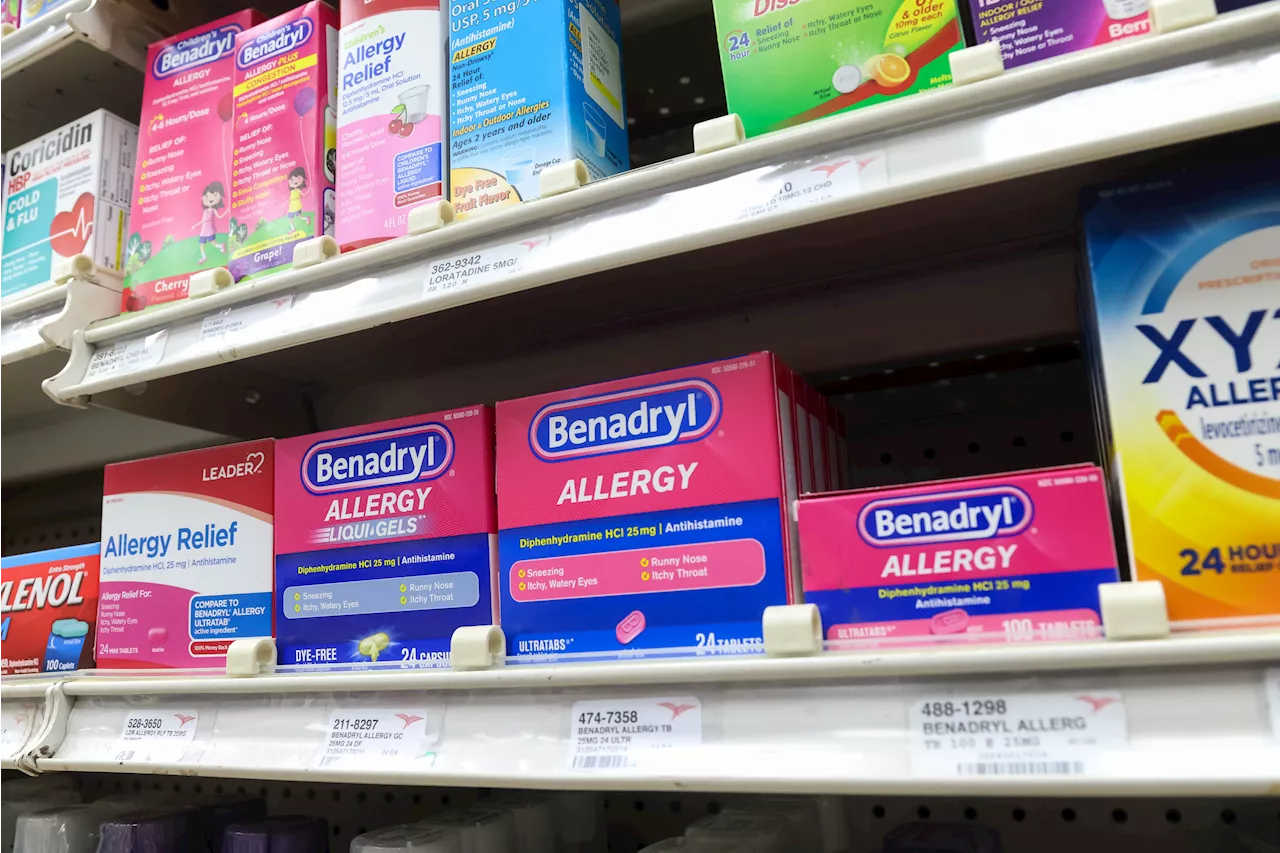
Experts recommend that individuals identify their specific allergy patterns to determine the best times to take their medications. For many, symptoms peak during the early morning hours. In these cases, taking antihistamines, particularly before bedtime, is advisable. This timing allows the medication to build up in the system overnight, providing relief during the day when symptoms are most pronounced. Older antihistamines, such as Benadryl, are often associated with drowsiness; thus, nighttime administration can mitigate daytime sleepiness.
In contrast, newer antihistamines like Zyrtec, Claritin, and Xyzal tend to cause less drowsiness, allowing for more flexible timing. Regardless of the specific medication, consistency remains key. Experts emphasize the necessity of taking antihistamines daily during the allergy season to maintain control over symptoms.
Planning ahead is essential. Healthcare providers suggest beginning allergy medications a few weeks prior to the expected start of allergy season. This proactive approach may involve using oral antihistamines and nasal corticosteroid sprays, such as Flonase, to address symptoms before they escalate.
Protective Measures Against Pollen Exposure
In addition to medication timing, adopting protective measures is vital for managing seasonal allergies. Regular monitoring of pollen counts can help individuals plan their outdoor activities effectively. On days when pollen levels are high, staying indoors is recommended. When outdoor exposure is unavoidable, protective gear such as masks, hats, and sunglasses can help shield the respiratory system and eyes from pollen.
Pet owners should also consider wiping down their pets after outdoor excursions to remove any pollen they may carry. This simple step can significantly reduce indoor allergen levels, contributing to a more comfortable living environment.
Combining these strategies—proactive medication use and protective measures—can greatly enhance one’s ability to navigate allergy season with minimal discomfort. By understanding individual allergy triggers and preparing accordingly, individuals can improve their quality of life during the spring months and beyond.
As awareness of the impact of climate change on pollen seasons grows, it becomes increasingly important for individuals to stay informed and proactive in their allergy management. By implementing expert-recommended strategies, those affected by seasonal allergies can better enjoy the beauty of spring without being hindered by their symptoms.