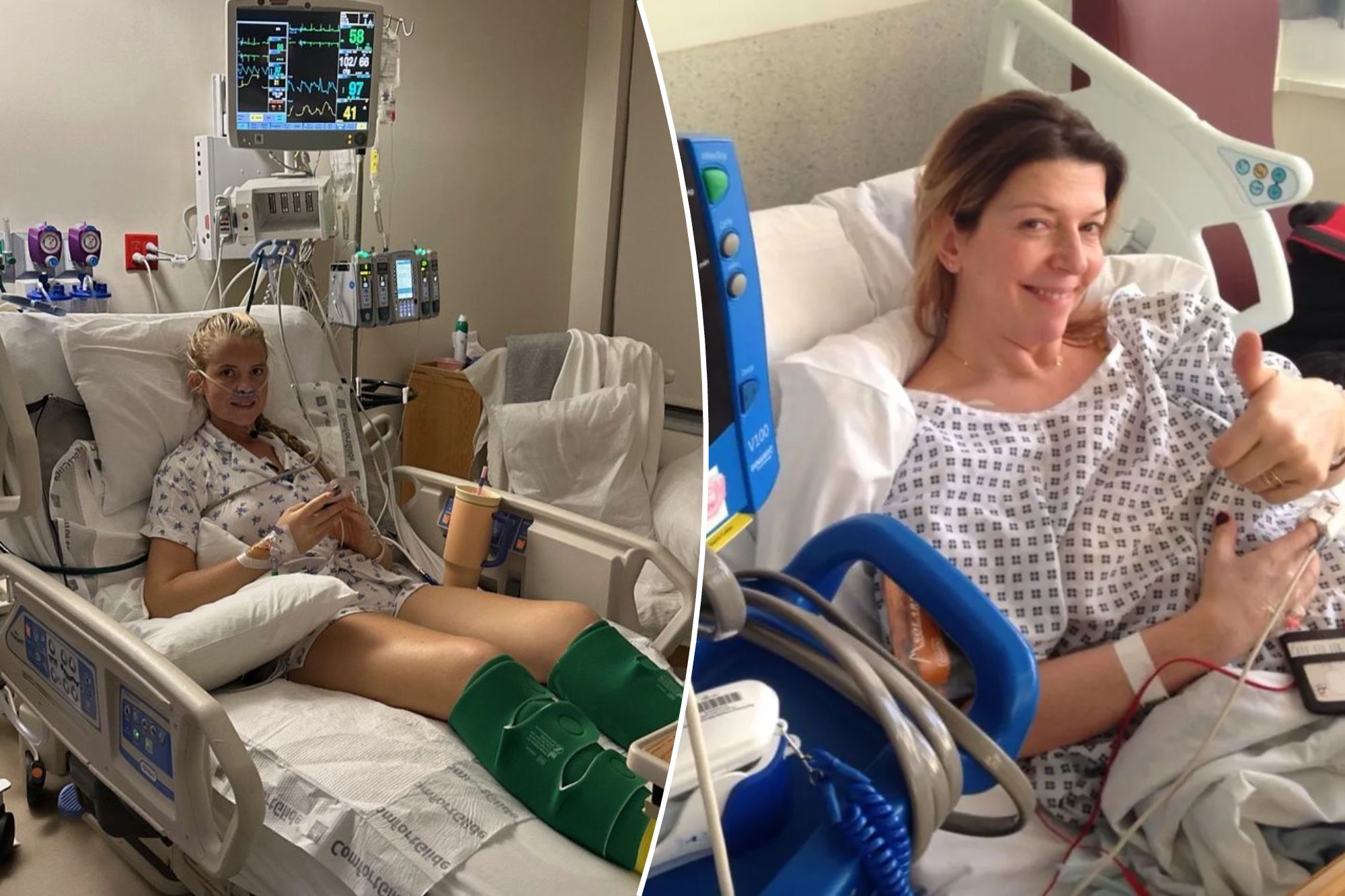
Health trackers, while not medical devices, are increasingly proving to be lifesaving tools for many users. A recent example is Maeve O’Neil, a 19-year-old freshman at George Washington University, who experienced severe health issues that she initially underestimated. It was a noticeable spike in her respiratory rate, resting heart rate, and body temperature, tracked by her Oura ring, that prompted her to seek immediate medical attention.
After spending six days feeling unwell, O’Neil found herself in a hotel room with her mother when she realized something was critically wrong. “My first instinct was to check my Oura app, and what I saw honestly scared me,” she recounted. Following her app’s warning, she was rushed to the emergency room at George Washington Hospital. There, doctors diagnosed her with Lemierre’s syndrome, a life-threatening condition often stemming from a bacterial throat infection, along with double pneumonia and COVID-19. O’Neil spent a week in the ICU and underwent thoracic surgery before making a remarkable recovery.
Empowering Users with Data
O’Neil is not alone in her experience. With approximately one-third of Americans now using some form of activity tracker or smart wearable, these devices have increasingly become tools for identifying serious health issues. Reports indicate that users have received diagnoses for conditions such as lymphoma, lupus, and atrial fibrillation (AFib) after being alerted by their devices.
While some wearables, including newer models of the Apple Watch, Fitbit, and Samsung Galaxy smartwatches, offer features that have received FDA clearance, manufacturers caution that these devices are not diagnostic tools. Oura, for instance, emphasizes, “Oura Ring is not a medical device and is not intended to diagnose, treat, cure, monitor, or prevent medical conditions or illnesses.” Nevertheless, they do provide users with valuable data on metrics such as heart rate, skin temperature, and sleep patterns, which can signal when to seek medical advice.
Dr. Jordan Shlain, founder of Private Medical, notes, “Wearables are becoming the rearview mirror and the windshield of personal health. They show you where you’ve been and, increasingly, where you might be heading.” He explains that noticing changes in one’s health data can signal the need for further investigation, transforming the way individuals approach their health.
Real-Life Impact and Limitations
The stories of users like Nicolette Amette, a 44-year-old TV producer from London, illustrate the potential of health trackers to impact lives significantly. After experiencing persistent dizziness and fatigue, Amette began using a Fitbit. It revealed alarming resting heart rates, sometimes exceeding 140 beats per minute, prompting her to visit the hospital. An electrocardiogram (EKG) later confirmed serious heart issues, including atrioventricular nodal reentry tachycardia (AVNRT) and atrial fibrillation. Amette eventually required multiple surgeries to address her heart problems.
For Sandy Mendez, a 33-year-old from Houston, Texas, the UltraHuman ring played a crucial role in diagnosing her thyroid condition. Initially purchased to track her sleep, the device’s period-tracking feature flagged irregularities that led her to consult a doctor. Subsequent tests revealed fluctuations between an overactive and an underactive thyroid, giving her clarity regarding her symptoms and empowering her to advocate for her health.
Despite the benefits, experts caution against relying solely on wearables for health insights. Dr. Shlain emphasizes that while these devices can indicate when something is wrong, they cannot provide complete diagnoses or explanations. “Data without context is just noise,” he states, highlighting that a heart rate spike could stem from various causes, such as caffeine consumption or a serious medical issue.
As technology continues to evolve, health trackers hold the potential to revolutionize how individuals monitor their health. They empower users to take a proactive approach, encouraging them to seek medical attention when necessary. However, the integration of advanced predictive capabilities and personalized health data is essential for these devices to become truly indispensable in healthcare.
Ultimately, while health trackers serve as valuable tools, they should complement, rather than replace, the expertise of medical professionals. As Dr. Shlain concludes, “Technology should make the doctor better, not make the doctor optional.”