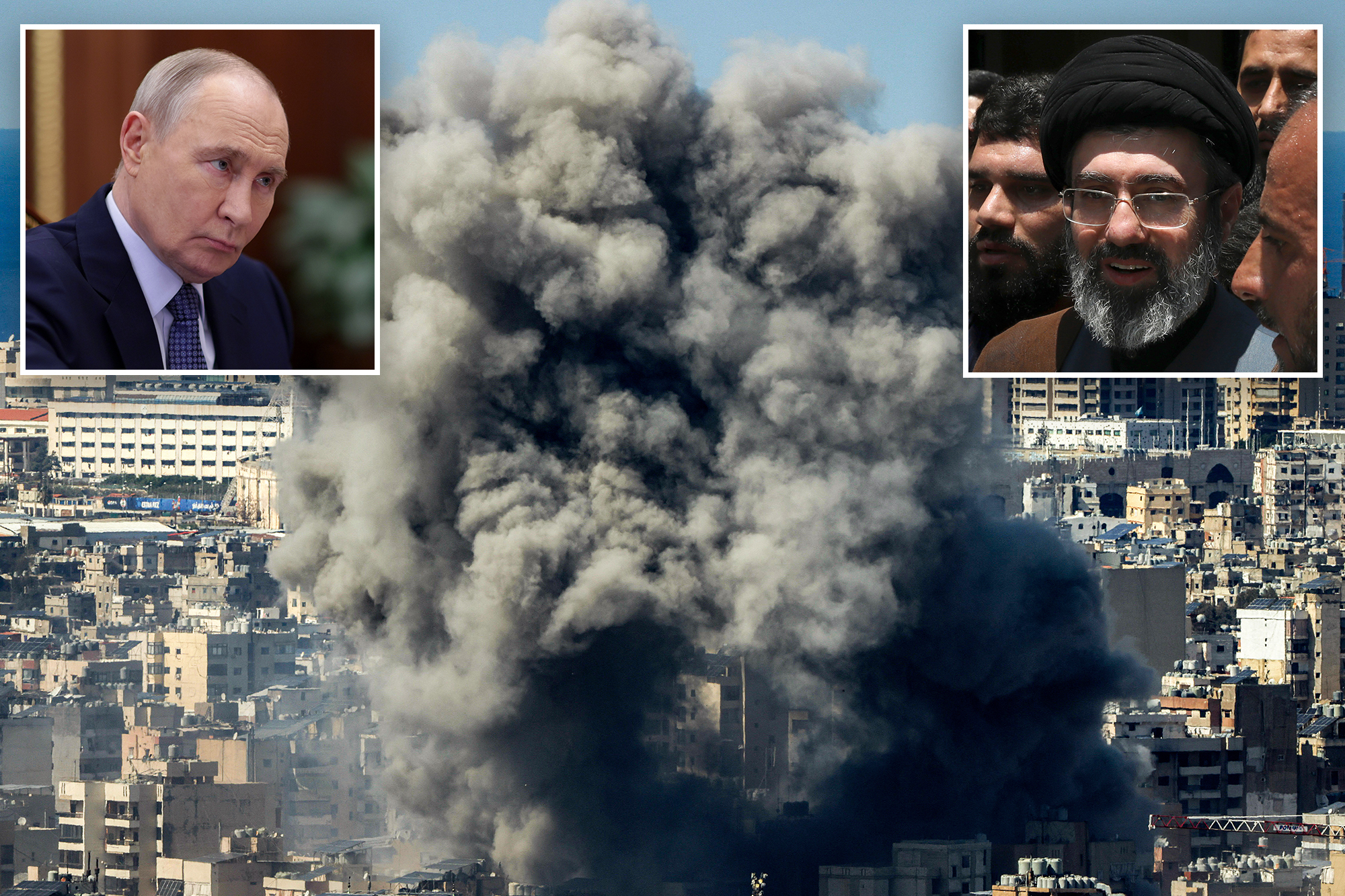
Russian President Vladimir Putin has publicly expressed his “unwavering support” for Iran following the appointment of Ayatollah Mojtaba Khamenei as the country’s new supreme leader. In a telegram sent on Monday, Putin congratulated Khamenei, the son of the recently deceased Ayatollah Ali Khamenei, emphasizing the Kremlin’s commitment to remaining a “reliable partner” during ongoing regional conflicts.
Putin’s message highlighted the challenges faced by Iran, particularly in light of its opposition to armed aggression. “At a time when Iran is opposing armed aggression, your tenure in this high post will undoubtedly require great courage and dedication,” he stated. The Russian leader expressed confidence that Khamenei would uphold his father’s legacy and foster unity among the Iranian populace.
Context of the Leadership Change
Mojtaba Khamenei’s appointment comes just eight days after the death of his father, who was killed during a series of United States-Israeli strikes on his compound in Tehran, marking the initiation of what has been termed Operation Epic Fury. The sudden shift in leadership has raised concerns and expectations both within Iran and among its allies.
The younger Khamenei has faced challenges from various political factions, including criticism from foreign leaders. President Donald Trump previously dismissed him as a “lightweight,” a remark that reflects the ongoing tensions between the United States and the Iranian leadership.
Putin’s endorsement signals Russia’s strategic interests in maintaining close ties with Iran, especially as both nations navigate a complex geopolitical landscape. Their partnership is crucial, particularly with increasing military cooperation and shared interests in countering Western influence in the region.
International Reactions
International reactions to Khamenei’s appointment and Putin’s support have been mixed. While Iran’s allies, such as Russia, are likely to reinforce diplomatic and military ties, countries opposed to Iran’s policies may increase their scrutiny and actions in the region. The situation remains fluid, with potential ramifications for both Iranian domestic policy and international relations.
As the new leader steps into his role, the eyes of the world will be on Iran, closely monitoring how Khamenei’s leadership might shape the country’s future amid ongoing regional conflicts and diplomatic challenges. The Kremlin’s backing is a clear indication of the importance of this relationship in the broader context of international politics.