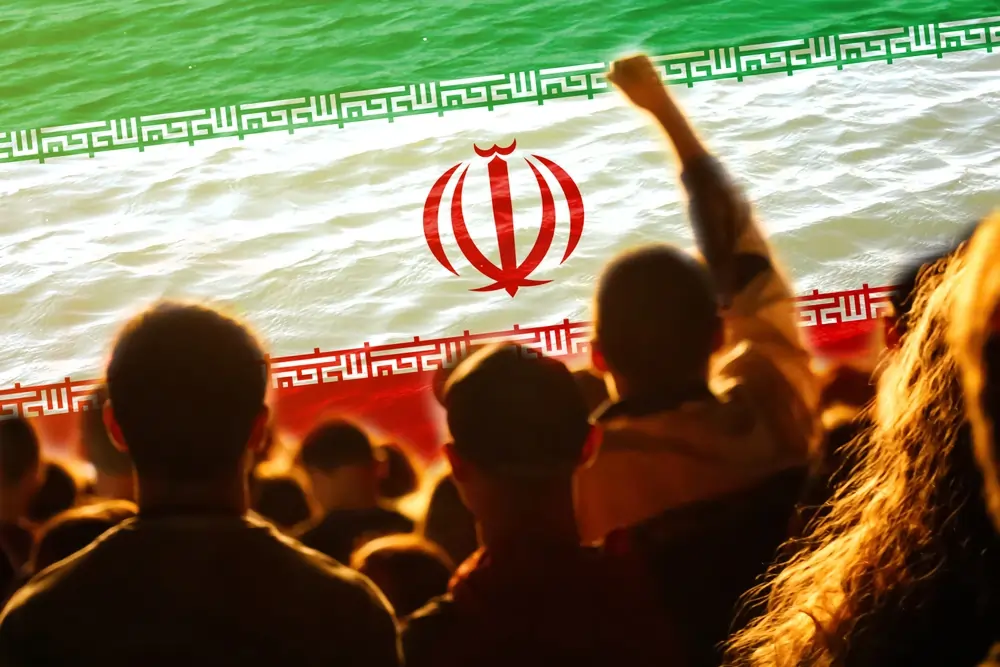
UPDATE: Tensions escalate as Iran issues a stark warning to European nations, stating they will “sooner or later pay the price” for remaining passive amid U.S. and Israeli military actions against Iran. Esmaeil Baghaei, spokesperson for Iran’s Foreign Ministry, made this declaration during an interview with Spanish television just hours ago.
The warning comes on the heels of a significant incident on July 5, 2023, when NATO air defense systems intercepted and destroyed a ballistic missile over the Mediterranean Sea that was reportedly heading toward Turkish airspace. Turkish officials confirmed that the missile was launched from Iranian territory, a claim Tehran vehemently denies, asserting that the missile did not originate from Iran.
Why This Matters: The rising tensions between NATO and Iran could have dire implications for regional stability. Baghaei emphasized that any involvement by European nations in military operations against Iran would be interpreted as a declaration of war, raising fears of a broader conflict.
In response to the escalating situation, foreign ministers from the European Union and the Gulf Cooperation Council convened for an extraordinary meeting. Led by EU High Representative Kaja Kallas, the ministers condemned Iranian attacks, asserting they threaten both regional and global security. They urged Iran to cease its military actions and called for immediate respect for international law.
NATO Secretary General Mark Rutte addressed the situation, describing the missile interception as serious but stated, “Nobody’s talking about Article 5,” referring to NATO’s collective defense clause. He reassured that NATO’s focus remains on stabilizing the region and preventing further escalation, although member states are enhancing air and missile defense systems as a precaution.
The implications of these developments are profound. Previous military engagements in the region have historically led to significant civilian casualties and widespread instability. The call for diplomacy and dialogue from both the EU and NATO reflects a desire to de-escalate tensions rather than provoke further conflict.
As the situation unfolds, airlines, including Wizz Air, have already suspended flights to the Middle East due to the rising dangers, impacting travelers and businesses alike.
Next Steps: The international community is watching closely as both Iran and NATO navigate this precarious situation. Further military confrontations could lead to unpredictable consequences, potentially involving civilian populations caught in the crossfire. The emphasis on diplomatic solutions remains critical as leaders seek to avoid a catastrophic escalation.
This urgent situation demands close attention as developments continue to unfold. Stay tuned for updates as authorities respond to this volatile crisis.