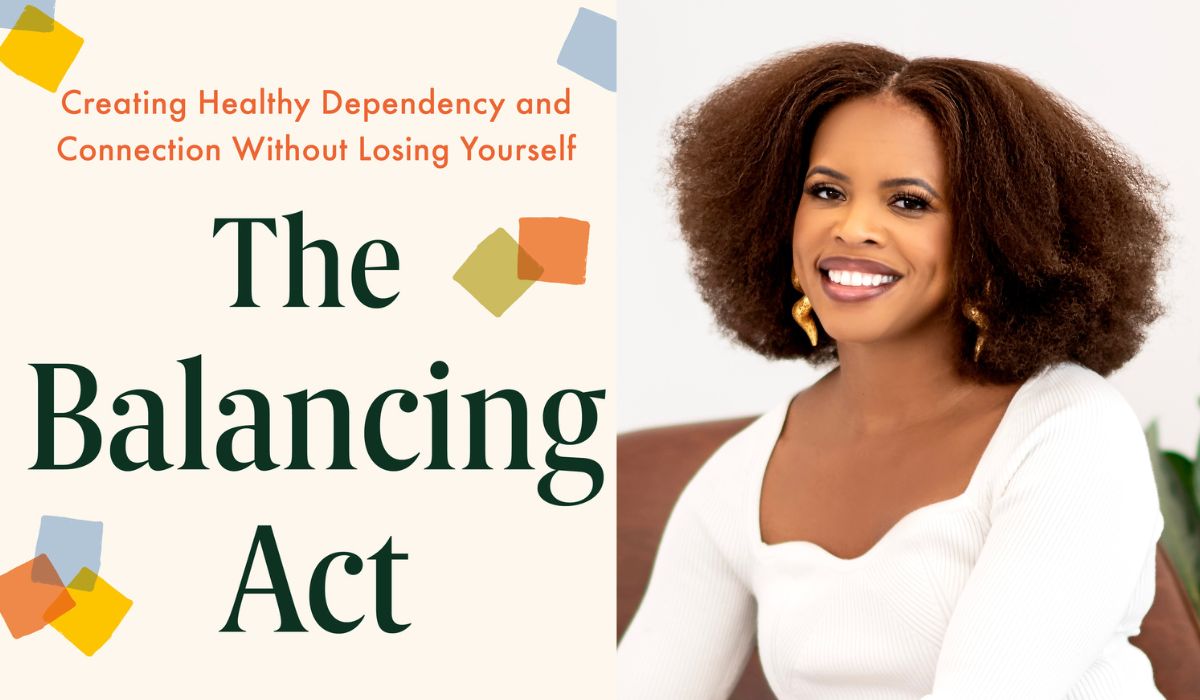
Nedra Glover Tawwab has released her latest book, The Balancing Act: Creating Healthy Dependency and Connection Without Losing Yourself, on February 10, 2026. This follow-up to her bestselling works, Set Boundaries, Find Peace and Drama Free, shifts the focus from setting boundaries to fostering healthy relationships and interdependence.
Tawwab emphasizes the importance of connection while maintaining personal autonomy. Her new book addresses the pitfalls of excessive independence and the psychological barriers that often accompany it. Readers are encouraged to reconsider their views on reliance and support, reflecting on the value of asking for help.
In her straightforward and compassionate style, Tawwab provides insights and examples to help readers navigate dependency in their lives. She challenges common misconceptions about self-reliance, suggesting that seeking assistance can be a sign of strength rather than weakness.
One key aspect of Tawwab’s message is the necessity of evaluating the relationships in one’s life. She prompts readers to consider questions such as: Is the person you are reaching out to actually available? Are you prepared for a potential “no”? Can they support you in your vulnerable moments? These reflections are designed to deepen understanding of personal connections and improve the quality of relationships.
The book also explores themes prevalent in contemporary therapy discussions, such as attachment theory and codependency. While Tawwab encourages exploration of these topics, she ensures her approach remains relevant and accessible. Even those familiar with concepts like enmeshment, characterized by a lack of autonomy, may discover fresh perspectives in her analysis.
In the chapter titled “The Hyper-Independent Person and Relationships,” Tawwab addresses the challenges individuals face when embracing vulnerability. She underscores the importance of self-love while acknowledging that it should not serve as a shield against engaging with others. Tawwab breaks this down into three vital points:
1. Self-love should not be a barrier to engaging with others.
2. Compromise is an essential part of healthy relationships.
3. Seeking love and support from others is as important as self-love.
These insights can provoke discomfort yet also facilitate growth. Tawwab encourages readers to confront their fears around dependency. As she writes, “Acknowledge that you’ve been hurt and try again.” This approach fosters resilience and allows individuals to move past disappointments that might otherwise cloud new relationships.
For those who struggle with asking for assistance, Tawwab offers practical advice. She stresses the importance of clarity in requests and the need to select the right person for the task at hand. This guidance is particularly beneficial for individuals accustomed to managing everything independently.
As Tawwab’s work continues to resonate, her messages come at a pivotal moment for many. In a world where self-sufficiency is often glorified, her call for balance and connection is both refreshing and necessary.
In the spirit of her teachings, one reader shares their experience of relocating to Gwangju, South Korea, while producing a zero-budget children’s TV show. This individual reflects on how Tawwab’s advice has enabled them to seek help from friends, illustrating the practical application of the book’s principles.
Ultimately, The Balancing Act serves as a timely reminder that while boundaries are crucial, so too is the ability to lean on others. Tawwab’s work encourages readers to embrace the vulnerability that comes with genuine connections, paving the way for healthier and more fulfilling relationships.