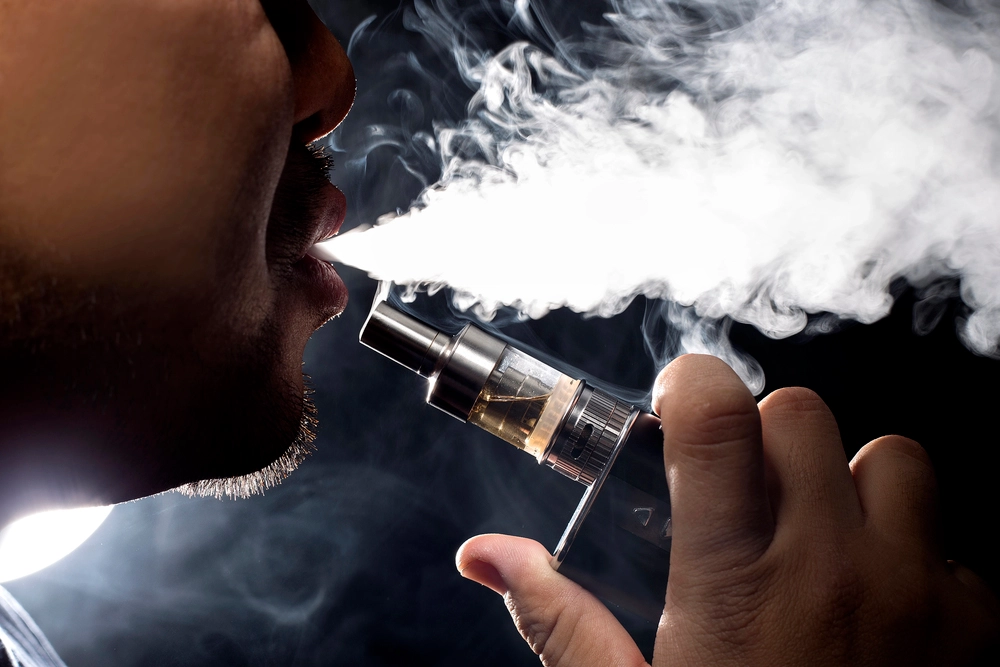
URGENT UPDATE: A shocking new study has revealed that popular illegal vape devices in Hungary contain dangerous levels of toxic metals, including lead and nickel, raising immediate public health alarms. This explosive finding comes from researchers at the University of California, Davis (UC Davis), who discovered these carcinogenic substances in disposable e-cigarettes that are widely available online.
The study confirms that users of these unregulated vapes are at risk of inhaling as much lead as if they smoked 19 packs of conventional cigarettes. This staggering revelation underscores the severe health implications associated with these products. Lead, identified as a neurotoxin, has no safe level of exposure, while nickel is linked to respiratory cancers and heart disease.
Immediate Health Risks
The implications of these findings are alarming, especially in Hungary, where illegal vape devices continue to flood the market despite strict regulations. The National Tax and Customs Administration (NAV) is actively conducting raids; in one recent operation, officers seized 100 illegal devices from an online trader, who now faces fines up to millions of forints. The ongoing presence of these products poses serious health risks to consumers, particularly to Hungary’s youth.
Experts warn that the dangers extend beyond chemical exposure. Many of these black-market devices contain substandard lithium-ion batteries, which can overheat and cause fires or short circuits. The lack of regulation means that consumers have no assurance of product safety, leaving them vulnerable to serious physical harm.
What’s Being Done?
Hungary has enacted strict laws against the sale and online purchase of flavored e-cigarettes, with potential fines ranging from 1 to 50 million forints for individuals and 5 to 500 million forints for businesses. Authorities, including the NAV and the Supervisory Authority for Regulated Activities (SZTFH), are intensifying efforts to shut down illegal webshops and conduct undercover test purchases. However, these measures alone are proving insufficient.
Recent data from the National Public Health Centre indicates that 22% of Hungarian students aged 13-15 have tried e-cigarettes, with 10% using them regularly. This highlights the urgent need for a more robust response to combat the black market’s reach into vulnerable demographics.
Next Steps for Hungary
To effectively tackle this growing crisis, experts recommend a multi-faceted approach. Stricter customs inspections for parcel deliveries, mandatory chemical testing for legally sold devices, and comprehensive school prevention programs are essential. These programs should not only focus on prohibition but also educate students about the specific health risks associated with lead exposure and carcinogenic metals.
The situation is developing rapidly, and authorities are urged to act decisively. As these illegal products continue to pose a significant threat to public health, the need for urgent action has never been clearer.
Stay tuned for more updates on this critical issue as authorities work to protect consumer safety and health in Hungary.