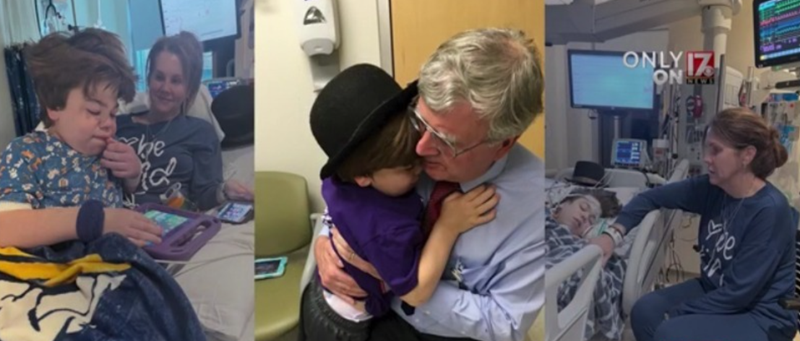
A mother from Carrboro, North Carolina, has joined forces with a doctor from UNC Health to explore new treatment options for her son, who is affected by Hunter Syndrome, a rare genetic disorder. This condition can lead to significant physical and cognitive decline, often resulting in early fatalities for affected children. The collaboration aims to improve outcomes for children facing the challenges of Hunter Syndrome.
Hunter Syndrome, also known as mucopolysaccharidosis II (MPS II), affects approximately 1 in 100,000 live births. It is characterized by the body’s inability to break down certain sugars, which leads to harmful substance accumulation in cells and tissues. The disorder primarily affects males and can lead to severe neurological impairment, heart problems, and joint issues. Tragically, many children with this condition do not survive past their teenage years.
The Carrboro mother, whose identity has not been disclosed, is determined to advocate for her son and others like him. She has been actively involved in discussions with researchers at UNC Health, led by a physician specializing in genetic disorders. Their goal is to develop innovative therapies that could potentially alter the course of this devastating illness.
Innovative Research and Hope for Families
The partnership between the mother and the UNC doctor highlights the importance of collaboration in medical research. The team is currently investigating various treatment options, including enzyme replacement therapies and gene therapies, which have shown promise in addressing the underlying causes of Hunter Syndrome.
According to experts, advancements in genetic research are paving the way for more effective treatments. Gene therapy, in particular, has gained attention for its potential to correct the genetic mutations that cause Hunter Syndrome. This approach could not only improve quality of life for affected individuals but also extend their lifespan significantly.
The mother has expressed hope that ongoing research will lead to breakthroughs that could benefit her son and other children with Hunter Syndrome. She actively participates in fundraising and awareness campaigns to support research initiatives and to connect with other families facing similar challenges.
Community Support and Awareness Efforts
In addition to her advocacy work, the mother has been instrumental in raising awareness about Hunter Syndrome within the broader community. She has organized events and informational sessions to educate the public about the disorder, aiming to foster a supportive environment for affected families.
The collaboration between the Carrboro mother and the UNC doctor serves as an inspiring example of how personal experiences can drive scientific inquiry and innovation. Their efforts are not only focused on finding treatments but also on creating a network of support for families navigating the complexities of rare genetic disorders.
As the research progresses, there is hope that advancements in treatment could transform the prognosis for children with Hunter Syndrome. The dedication of families like this Carrboro mother and the commitment of healthcare professionals play a crucial role in this ongoing journey. The fight against Hunter Syndrome continues, fueled by hope, determination, and the pursuit of scientific discovery.