North Korean leader Kim Jong Un presented a dual approach to relations with the United States during a recent party congress. He outlined a vision that offers the prospect of either engagement or confrontation, firmly tethered to North Korea’s continued possession of its nuclear arsenal. This development marks a significant moment in the ongoing dialogue surrounding nuclear disarmament and international relations in the region.
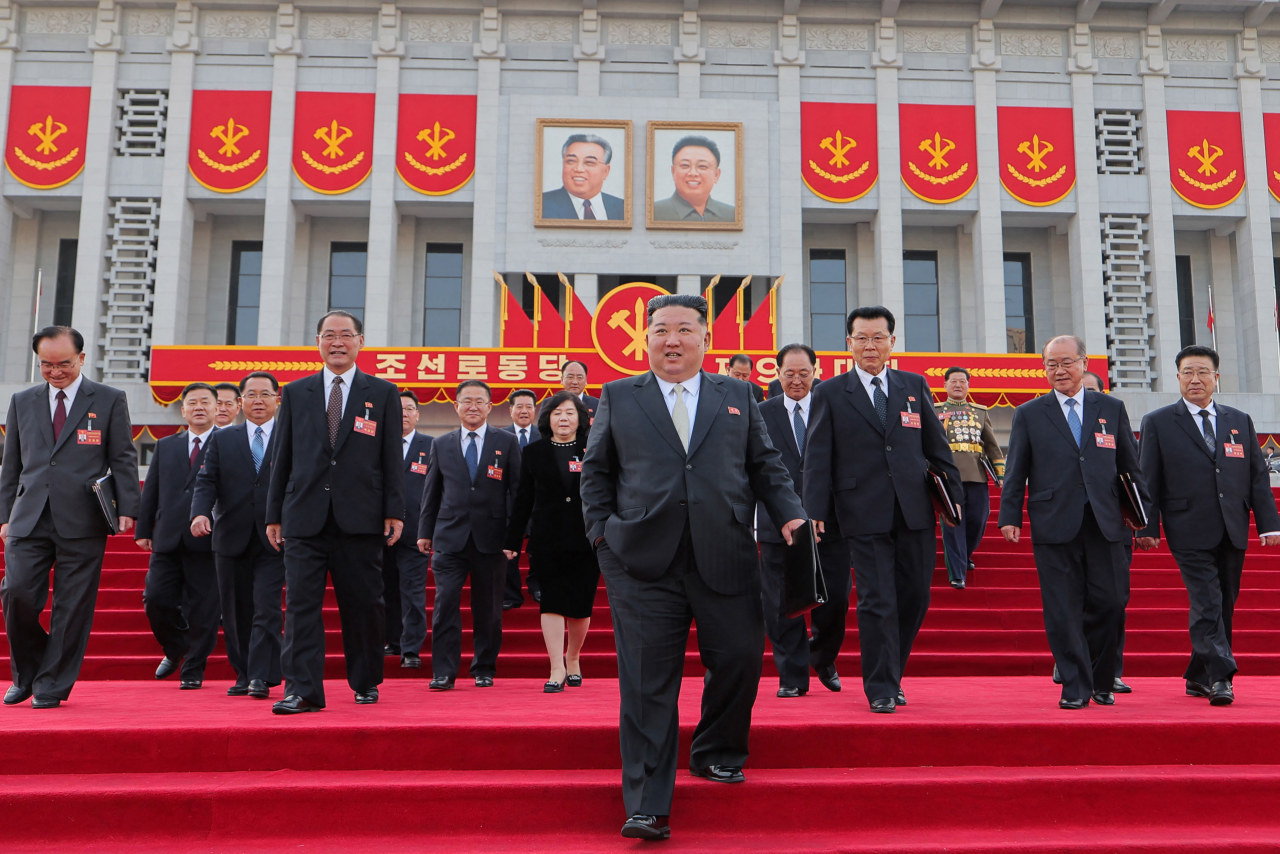
In his address at the five-yearly party congress, held on October 10, 2023, Kim emphasized that North Korea would maintain its nuclear capabilities as a non-negotiable condition for any future discussions with the U.S. He stated, “Our nation will not relinquish its nuclear deterrent unless we see a significant shift in U.S. policy.” This hardline stance highlights the challenges that lie ahead in any potential diplomatic efforts.
Kim’s remarks come at a time when relations between North Korea and the U.S. remain strained. The North Korean leader’s proposal for coexistence hinges on the U.S. recognizing North Korea’s security concerns. Kim indicated that without such recognition, the likelihood of escalating tensions would increase, further complicating any diplomatic engagements.
The party congress also served as a platform for Kim to showcase North Korea’s military advancements. He reinforced the belief that nuclear weapons are essential to national security and asserted that any approach to negotiations must respect North Korea’s sovereignty and defense needs. The emphasis on military strength is a consistent theme in Kim’s leadership, underscoring the regime’s prioritization of defense capabilities over economic considerations.
Among the attendees were high-ranking officials from the Workers’ Party of Korea, all of whom were urged to prepare for potential diplomatic engagements while simultaneously being ready for conflict. The congress illustrated the regime’s dual strategy: to remain open to dialogue while firmly asserting its military readiness.
The international community is closely monitoring developments following Kim’s address. Many analysts believe that the emphasis on maintaining nuclear weapons will complicate any attempts at engagement. The U.S. State Department has not yet responded publicly to Kim’s statements, but previous administrations have expressed skepticism regarding North Korea’s commitment to denuclearization.
As tensions persist, the implications of Kim’s stance are profound. The prospect of further military developments in North Korea could exacerbate regional security concerns, particularly for neighboring nations such as South Korea and Japan. The potential for confrontation remains a critical issue for international relations, with diplomatic efforts likely to face significant hurdles.
In conclusion, Kim Jong Un’s recent address reflects a strategic calculation rooted in North Korea’s historical context and security needs. The proposed coexistence with the U.S. contrasts sharply with the demands for continued nuclear armament, presenting a complex landscape for future negotiations. The world will be watching closely as both nations navigate this intricate and high-stakes relationship.