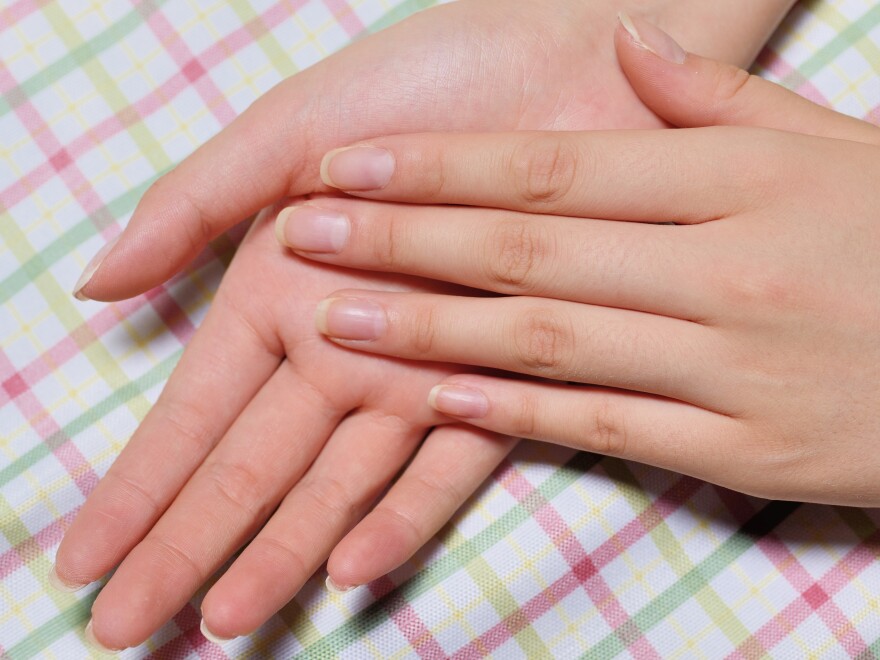
Maintaining the health of fingernails and toenails often takes a backseat in personal care routines. Professional nail technician Titilayo Bankole emphasizes the need for greater attention to nail care, highlighting that nails play a vital role in everyday activities. “If you lose a nail, try picking up a coin off the floor. Try buttoning your shirt. It’s almost impossible to do,” explains Dr. Shari Lipner, a professor of clinical dermatology at Weill Cornell Medical Center. To ensure nails remain healthy and strong, it is crucial to adopt effective hygiene practices and regularly inspect them.
Many individuals inadvertently damage their nails by engaging in habits such as picking at their cuticles or exposing them excessively to water. Neglecting proper nail care can lead to brittle nails, painful hangnails, and even serious infections. For instance, untreated fungal infections can spread to other parts of the skin, warns Dr. Lipner.
Seven Healthy Nail Habits
Bankole suggests incorporating these seven practices into your personal care routine to promote nail health:
1. **Respect the Cuticle**: The cuticle serves as a protective barrier at the base of the nail. Dr. Dana Stern, a dermatologist and nail specialist, advises against trimming or removing cuticles, as this can expose nails to infections. Instead, gently push them back with a washcloth after showering to keep them neat without compromising safety.
2. **Manage Hangnails Properly**: Hangnails often result from dry skin snagging. It’s advisable to use nail clippers or scissors to trim them immediately at the base to prevent further irritation.
3. **Cut Nails Straight Across**: To avoid ingrown nails, cut nails straight across rather than in a curved shape. Following this, smooth any sharp edges with a glass or crystal nail file, which is gentler than traditional emery boards and helps seal the nail edge.
4. **Break the Nail-Biting Habit**: Nail-biting can lead to bacterial and fungal infections, along with discoloration. Dr. Lipner emphasizes the importance of overcoming this habit for overall nail health.
5. **Moisturize Regularly**: Keeping nails and surrounding skin hydrated is essential to prevent dryness and cracks. Bankole recommends using cuticle oil, particularly a blend that includes grapeseed oil and vitamin E, for their nourishing properties.
6. **Limit Use of Harsh Products**: Frequent use of acetone-based polish removers can weaken nails. Additionally, extended wear of nail polish can lead to staining. It is advisable to take breaks from acrylics and gels to allow natural nails to recover.
7. **Protect Your Nails**: Exposure to water can weaken nails, as they absorb moisture like sponges. Wearing gloves during tasks that involve prolonged contact with water, such as dishwashing or gardening, can help preserve nail strength.
Recognizing Changes in Nail Health
Nails can indicate overall health, with changes such as discoloration or unusual growth patterns potentially signaling underlying health issues. Dr. Stern notes that whitish nails might point to a vitamin deficiency or liver disease. If any unusual changes occur, consulting a healthcare provider during routine check-ups is advisable.
Taking proactive steps in nail care can enhance not only their appearance but also their functionality in daily activities. Regular awareness and adjustment of habits related to nail care can lead to healthier, stronger nails, contributing to overall well-being.