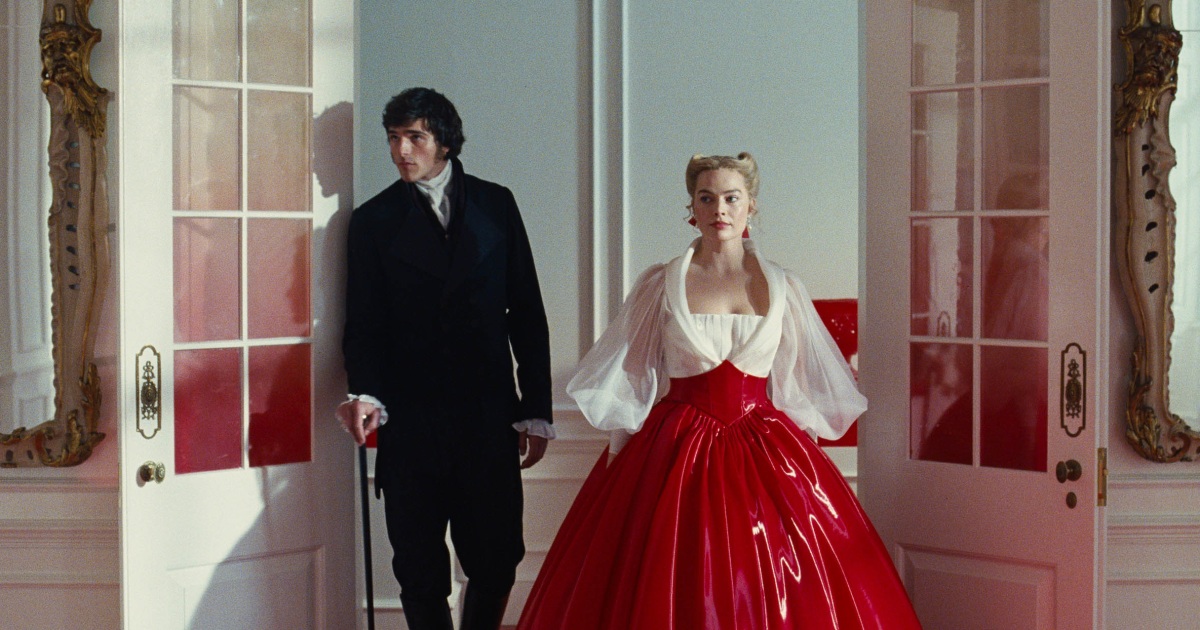
As anticipation builds for the upcoming film adaptation of ‘Wuthering Heights’ by Emerald Fennell, many readers are attempting to revisit the original novel by Emily Brontë—but they are encountering unexpected challenges. Social media influencers like Mary Skinner have taken to platforms like TikTok to express their struggles with the text, revealing that their reading experiences are markedly different from when they first encountered the classic.
Skinner shared her feelings in a recent TikTok post, stating, “I am re-reading ‘Wuthering Heights’ before the movie comes out, and it has not taken me long to realize that there is some brain rot happening.” She noted a significant change in her reading habits, admitting that her recent diet of “easily digestible” literature has made tackling Brontë’s dense prose feel daunting. Other TikTok users echoed her sentiments, with one commenting, “Need a brain break after 3 pages,” and another expressing frustration over their struggle to finish the novel.
Modern Challenges with Classic Literature
The original ‘Wuthering Heights’ was first published in 1847 under the pen name Ellis Bell. The novel tells the tumultuous story of Catherine Earnshaw and her obsessive relationship with Heathcliff, an orphan taken in by her father. Upon its release, the novel shocked audiences with its themes of cruelty and passion, but it has since gained recognition as a literary classic.
Despite its esteemed status, readers today are finding the text increasingly challenging. Rosemary Haskell, a professor of English at Elon University, attributes this struggle to several factors. “The terminology, the sentence structure, and the density of the prose,” she explains, along with the “incomprehensible Yorkshire dialect,” contribute to the difficulty many face while engaging with the text.
Skinner articulated her own experience, noting a loss of attention span and reading comprehension over the years. She emphasized that her routine of consuming quick, easily digestible content online may have diminished her ability to focus on more complex narratives. “I used to easily read classics,” she reflected, “but a few years of a largely unvaried reading diet consisting of mainly modern mysteries, romances, fantasies, and quick reads has made it harder to have the patience and attention to read ‘Wuthering Heights’.”
Strategies for Engaging with the Classic
In response to these challenges, BookTok, a vibrant community on TikTok dedicated to literature, has become a hub for readers seeking advice on how to navigate classic texts. Users are sharing tips, such as looking up unfamiliar words and plot lines while reading, and even employing accents to enhance their understanding of the dialogue.
Haskell suggests that reading aloud can significantly improve comprehension. She also recommends watching adaptations of the story to provide context and visual cues that make the text more accessible. “In the end, I think you just have to persevere and keep going. It becomes easier,” she advises.
As readers grapple with the complexities of Brontë’s work, the renewed interest in ‘Wuthering Heights’ highlights the broader conversation around the impact of modern reading habits on our engagement with classic literature. The juxtaposition of current consumption habits with the intricate language of the past presents a unique challenge for today’s readers, but it also offers an opportunity for rediscovery and deeper appreciation of literary masterpieces.