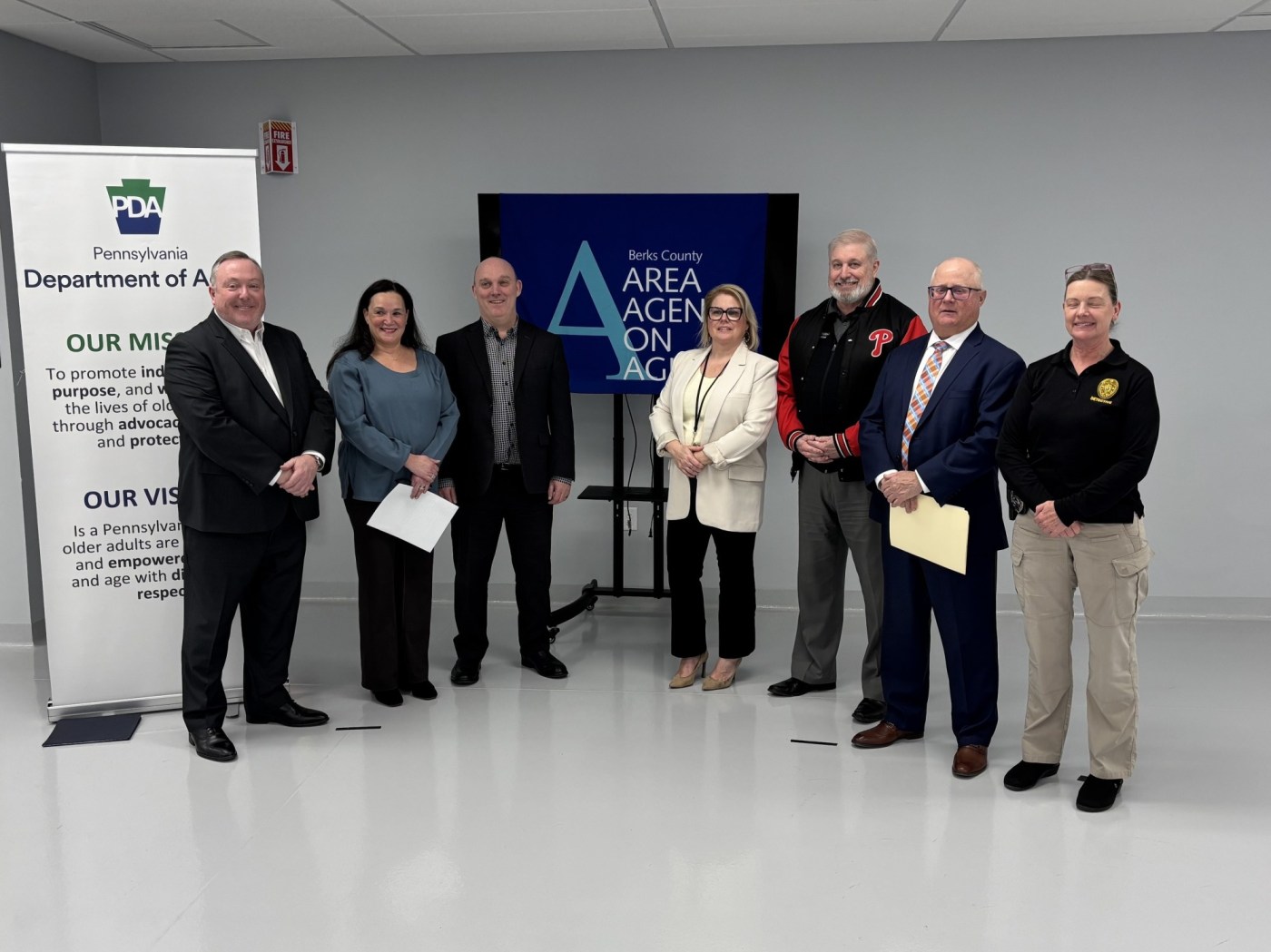
On March 12, 2024, a significant initiative was launched in Pennsylvania to enhance protections for older adults facing abuse, neglect, and exploitation. The Pennsylvania Department of Aging Secretary, Jason Kavulich, announced a collaborative regional effort involving Berks, Lehigh, and Lancaster counties. This initiative aims to establish a multidisciplinary team (MDT) hub that will coordinate the efforts of various professionals in social services, law enforcement, healthcare, mental health, and financial sectors.
The counties were selected through a competitive process to receive tailored consulting support from Weill Cornell Medicine, a recognized leader in elder justice initiatives. This partnership marks a proactive step toward addressing the complex issues surrounding elder abuse. “Today is another step we are taking as a department, as an administration, as partners to ensure that we are building a commonwealth of communities that protects our older adults,” said Kavulich during his visit to the Berks County Area Agency on Aging.
Strengthening Collaborative Efforts
The MDT model is already in use in states like New York and California. It is designed to dismantle barriers between agencies that traditionally operate independently. By formalizing collaboration, officials believe that cases of elder abuse, especially financial exploitation, can be managed more effectively and consistently. Jessica Jones, Director of the Berks County Office on Aging, expressed enthusiasm for the collaboration, stating, “Through this multidisciplinary team approach, we seek to enhance our capacity to promote elder justice and improve outcomes for the older adults we serve.”
This initiative comes at a critical time, as financial scams targeting older residents have become increasingly sophisticated. John T. Adams, the Berks County District Attorney, noted, “We’re really at a crisis point in protecting many of our older residents.” In response, district attorneys across Pennsylvania recently sent a letter to the governor and lawmakers, urging updates to the Pennsylvania Older Adults Protective Services Act.
Kavulich echoed the need for legislative change, pointing out that the existing law has not kept pace with emerging threats, particularly as financial exploitation is currently one of the fastest-growing forms of elder abuse. Governor Josh Shapiro has proposed updates to the act, including the explicit inclusion of financial exploitation as a crime and expanded background check requirements for caregivers. His proposed budget for 2026-27 allocates more than $6 million in additional funding for aging services across the state.
A Model for Future Initiatives
Lisa Rachmuth, program administrator of Weill Cornell Medicine’s Center for Elder Abuse Solutions, highlighted the benefits of the regional hub model. She stated that it will enable counties to respond more quickly and collaboratively to protect vulnerable adults while preserving their dignity and right to self-determination.
County Commissioner Christian Leinbach praised the regional partnership, emphasizing the importance of cooperation among neighboring counties. “Regionalization is where it’s at,” Leinbach commented, underscoring the initiative as another avenue to better protect one of the most vulnerable populations in our communities.
With 52 area agencies on aging serving all 67 counties in Pennsylvania, Kavulich expressed hope for expanding the MDT model. The goal is to build a more robust and coordinated system that ensures older Pennsylvanians can live safely in the communities they call home. This initiative reflects a growing recognition of the need to enhance protective measures for elderly citizens and adapt to the evolving challenges they face.