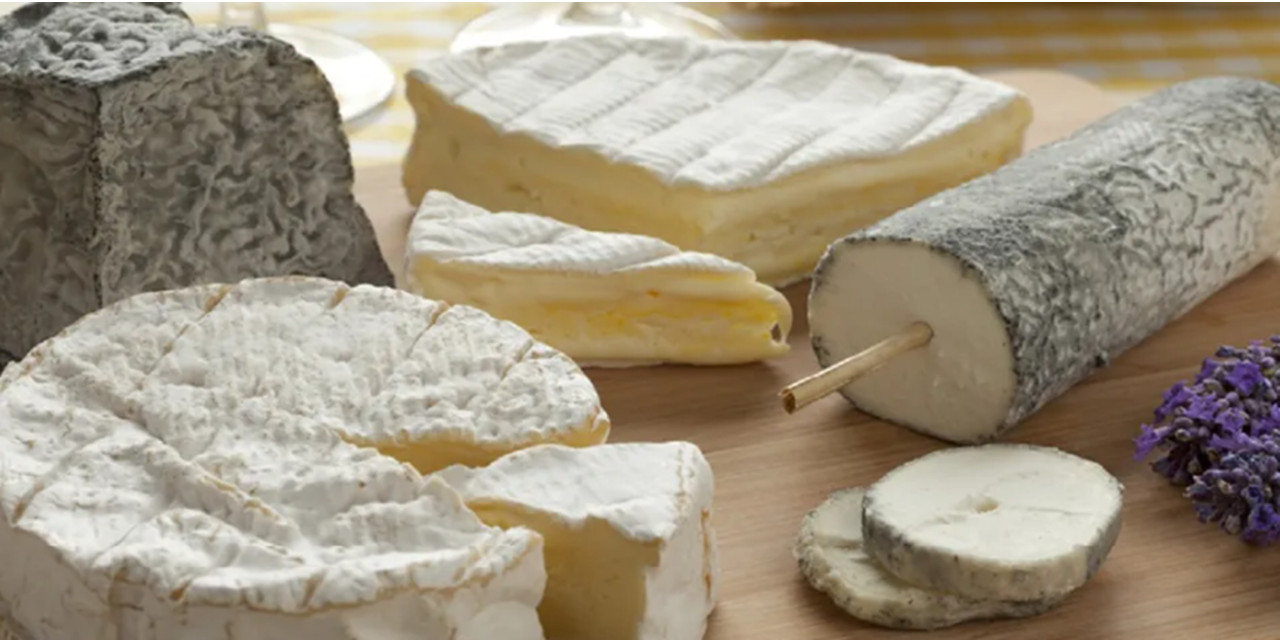
The French Agency for Food, Environmental and Occupational Health and Safety, known as ANSES, has recently outlined recommendations aimed at improving the safety of raw milk cheese. These guidelines focus on minimizing the risk of foodborne illnesses associated with the consumption of these products. The agency emphasizes that interventions can occur at various stages, including on farms, during production, and at the consumer level.
ANSES’ report highlights that raw milk cheese, while a staple in French cuisine, can pose significant health risks if not handled correctly. The agency’s recommendations suggest that farmers implement stricter hygiene practices and adopt measures to monitor the health of their livestock. These steps are vital in reducing the likelihood of contamination with harmful bacteria.
Focus on Production and Consumer Practices
In addition to farm-level recommendations, ANSES stresses the importance of hygiene during the production process. Cheese manufacturers should ensure that their facilities adhere to stringent sanitary standards. Regular testing of products for pathogens is also essential to prevent contaminated cheese from reaching consumers.
Furthermore, the agency advises consumers to follow specific safety guidelines when purchasing and consuming raw milk cheese. This includes checking for proper storage conditions and ensuring that the cheese is sourced from reputable producers. ANSES aims to educate the public on safe consumption practices to mitigate the risk of severe infections linked to raw milk cheese.
Potential Impact on Public Health
The recommendations by ANSES come in response to ongoing concerns about foodborne illnesses in France. According to the agency, there have been numerous cases of food poisoning related to raw milk cheese, emphasizing the need for proactive measures. By implementing these guidelines, both producers and consumers can play a role in enhancing food safety.
The agency’s focus not only addresses immediate health risks but also aims to preserve the cultural significance of raw milk cheese in France. By ensuring that these products are safe to consume, ANSES hopes to maintain public confidence in traditional cheese-making practices.
In conclusion, the steps proposed by ANSES represent a comprehensive approach to improving the safety of raw milk cheese. As the agency continues to work with farmers, producers, and consumers, the goal remains clear: to reduce the risk of foodborne illness and promote healthier eating habits across the nation.