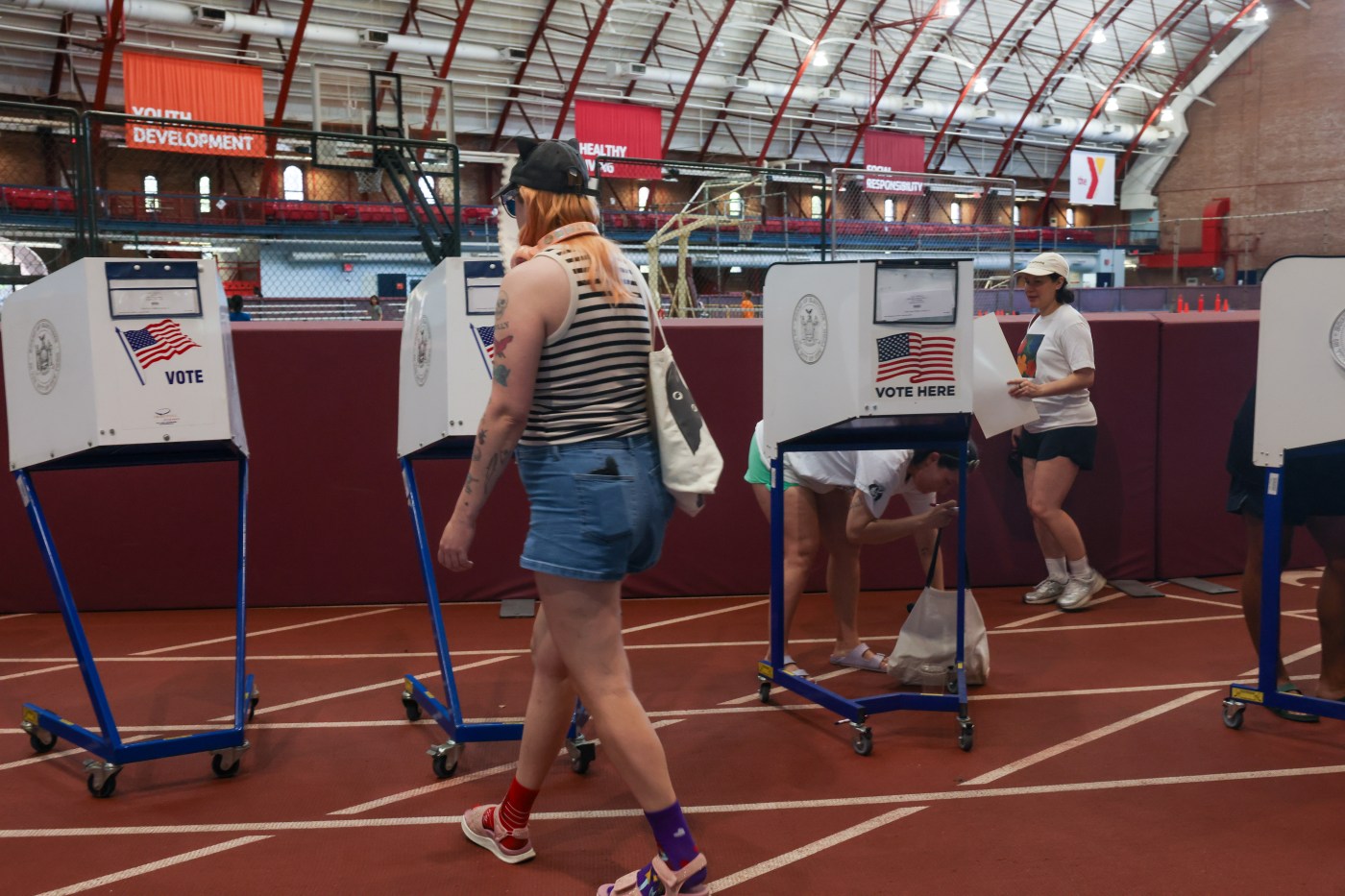
The primary election system in New York City is facing scrutiny as it effectively excludes over 1 million independent voters from participating. This disenfranchisement impacts a significant portion of the electorate, particularly voters of color, who represent approximately 54% of those affected. The situation raises serious questions about the democratic principles upheld by a system that limits participation in taxpayer-funded elections.
New York’s primary elections are administered by the New York City Board of Elections and the New York State Board of Elections, both of which are government agencies. These elections are funded through public dollars, yet the rules restrict independent voters from casting their ballots in the primaries. This means that while taxpayer money supports the electoral process, a large segment of taxpayers remains without a voice until the general election.
The date for changing party affiliation to participate in the upcoming primaries is set for February 14, a date that some argue symbolizes the exclusion faced by independents. Public funds are utilized not just for the elections but also to provide matching funds to candidates, sometimes amounting to hundreds of thousands of dollars. This financial support comes from the same taxpayers who are barred from meaningful engagement in the primary process.
Public sentiment regarding this issue is strongly in favor of reform. According to recent surveys, around 80% of New Yorkers support open primaries that would allow all registered voters, regardless of party affiliation, to participate. This overwhelming support highlights a disconnect between the electorate’s desires and the current political structure.
The implications of this exclusion extend beyond mere voting rights. Citizens who contribute to the financing of the electoral process are effectively sidelined, raising concerns about the integrity of democratic practices. Voters, particularly young individuals who are actively engaged in political discourse, are left feeling disenfranchised and disillusioned.
As the primary season approaches, independents receive notifications urging them to change their party affiliation. This practice serves as a reminder of the barriers they face, as well as the pressure to conform to party lines in order to have a say in the candidates who will shape crucial policies affecting education, housing, policing, and transportation.
The continued exclusion of independent voters from New York’s primary elections calls for a thorough reevaluation of the current system. Advocates for reform argue that if democracy is to mean anything, it must include every voter, not just those aligned with the two major parties. Until significant changes are made, many independent voters, including families with deep ties to their communities, will remain in a system that overlooks their contributions and concerns.
The case for overhauling New York’s closed primary system is compelling. It is essential for the integrity of democracy that all voters have a voice in the electoral process, particularly in a city as diverse as New York. The future of democratic engagement depends on addressing these inequities and ensuring that every citizen can participate fully in shaping their government.