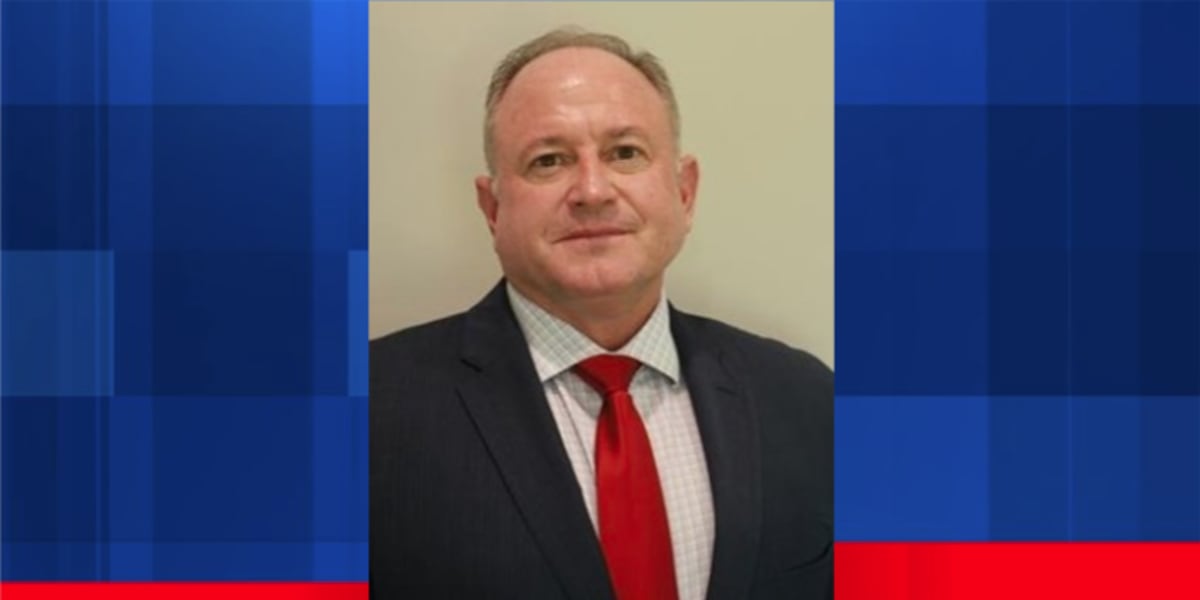
BREAKING: The Oklahoma Attorney General’s Office has just announced a landmark settlement with Tyson Foods and Cargill, resolving a decades-long poultry pollution case that has significant implications for the region’s environment and agricultural industry. Attorney General Gentner Drummond confirmed the agreement today, marking a significant milestone in the ongoing battle to protect the Illinois River Watershed.
This urgent update reveals that Tyson will contribute $19 million towards the remediation and conservation of the watershed, while Cargill will pay $6.5 million. Drummond emphasized the importance of corporate accountability, stating, “These settlements provide a path to move forward together, giving certainty for growers, protecting jobs, and safeguarding Oklahoma’s waters for future generations.”
The case has been one of the longest-running environmental lawsuits in Oklahoma’s history, with accusations against the poultry giants for contaminating the Illinois River with waste. After nearly two decades of legal proceedings, this settlement could redefine the landscape for Oklahoma’s agricultural sector.
In a statement, Nathan McKay, President of Poultry for Tyson, expressed optimism: “We are pleased to move forward with our growers in Oklahoma and Arkansas to focus together on our mission of feeding the world like family.” A representative from Cargill echoed this sentiment, appreciating the collaboration with local stakeholders to reach a fair resolution.
The implications of this settlement extend beyond immediate financial relief. Governor Kevin Stitt previously warned that ongoing pressure could lead poultry companies to reconsider their operations in the state. “There’s just less risk elsewhere. So of course, they would pull out,” Stitt noted. The fear among local farmers is palpable, with concerns that a withdrawal of these companies could devastate family farms and the broader agricultural community.
Megan Langley, a chicken farmer, shared her anxiety about the potential fallout: “When these companies get tired of fighting with the state of Oklahoma, you are not destroying a large corporation. You are destroying a family like mine.” The anxiety among farmers is compounded by the fact that chicken litter, often used as fertilizer, is integral to various agricultural activities in the state.
This settlement not only provides immediate financial support but also sets the stage for future cooperation between agricultural industries and environmental protection efforts. Drummond’s office is working to ensure that Oklahoma’s water quality improves while maintaining a robust poultry industry.
The next steps include monitoring the implementation of the settlement and ensuring that both Tyson and Cargill fulfill their commitments to environmental restoration. As the situation develops, the focus will remain on the balance between agricultural growth and environmental sustainability.
As this urgent situation unfolds, it is clear that the implications of this settlement will resonate throughout the agricultural community and beyond. Local stakeholders are encouraged to watch closely as Oklahoma navigates this critical juncture in its environmental and economic future.