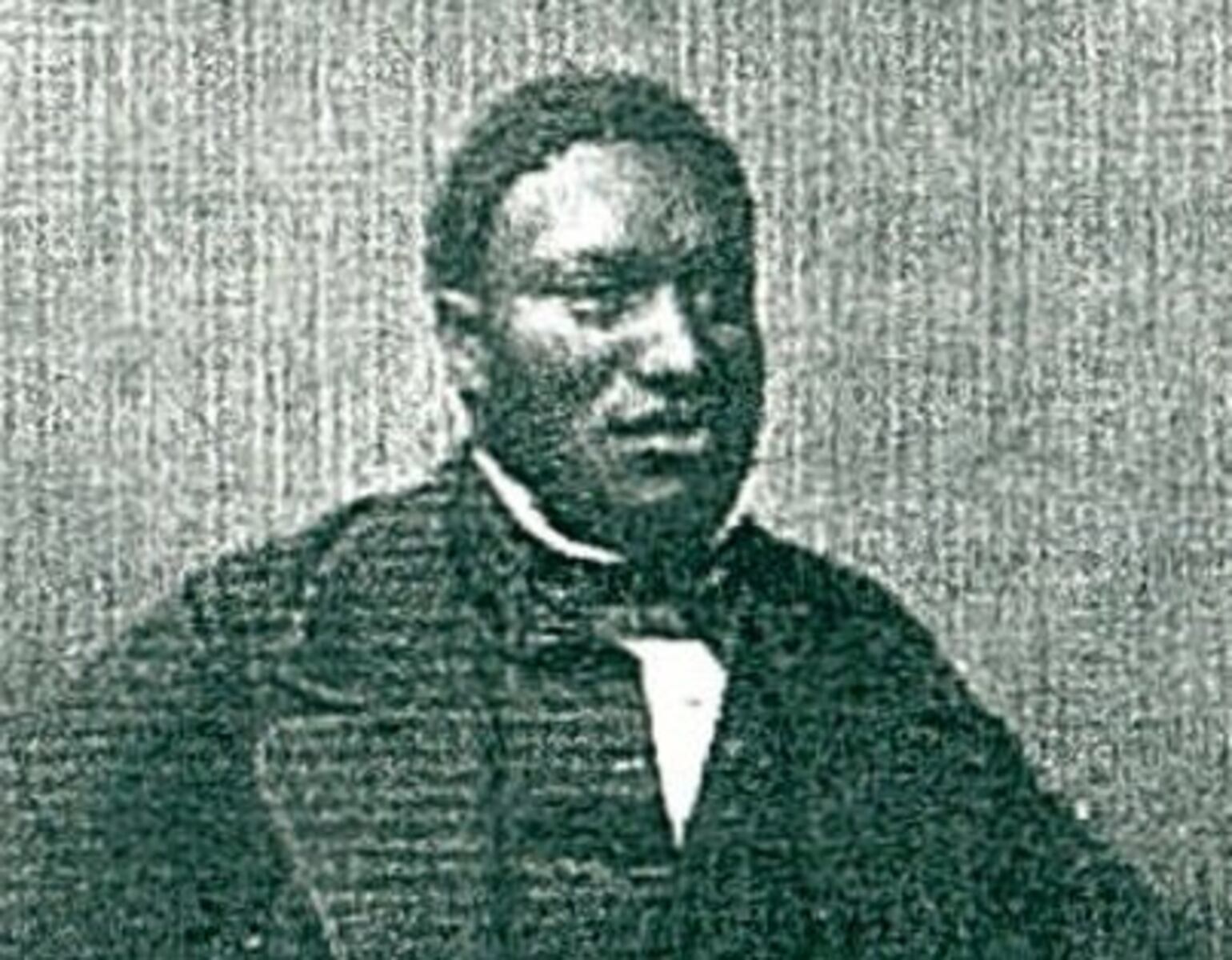
UPDATE: New research has brought to light the remarkable yet nearly forgotten legacy of abolitionist Samuel Ringgold Ward, who left a profound impact on Frederick Douglass and the fight against slavery. The revival of interest in Ward’s life comes amid a broader reckoning with historical figures who championed civil rights.
Ward, an escaped slave born on October 17, 1817, in Maryland, captivated Douglass at a Free Soil Party meeting in Buffalo. Douglass once declared, “In depth of thought, fluency of speech, readiness of wit, logical exactness and general intelligence, Samuel R. Ward has left no successor among the colored men amongst us.” This statement underscores the urgency of recognizing Ward’s contributions to American history today.
During the 1840s and early 1850s, Ward was instrumental in the abolitionist movement, publishing one of the earliest Black newspapers, “The Impartial Citizen,” in Syracuse, New York. His paper, launched on February 14, 1849, focused on racial pride and self-help, providing a critical voice for the Black community during a time of rampant racism and oppression.
Ward’s involvement in the historical Jerry Rescue on October 1, 1851, marked a pivotal moment in the fight against the Fugitive Slave Act. He famously rallied a crowd of 2,500 in Clinton Square, urging them to take action against the re-enslavement of William Henry, known as “Jerry.” “We are witnessing such a sight as, I pray, we may never look upon again. A man in chains, in Syracuse!” he proclaimed, igniting the crowd’s passion and leading to Jerry’s dramatic escape to freedom.
This rediscovery of Ward’s legacy is crucial now, as many communities grapple with their own histories and the ongoing fight for equality. His audacity as an orator and leader inspired numerous abolitionists, yet he has remained largely overlooked in historical narratives.
Ward’s life was marked by struggle and resilience. After escaping slavery, he became a minister and educator, advocating for Black rights and publishing works that criticized the expansion of slavery into new territories. His nomination as the first Black candidate for national office in 1850 was a groundbreaking achievement that resonates in today’s ongoing discussions about representation in politics.
Ward’s journey eventually led him to Canada, where he continued his anti-slavery efforts after leaving the United States. His memoir, “Autobiography of a Fugitive Negro,” published in London in 1855, documented his fight against oppression and the contributions of Black activists in America and abroad.
As society seeks to understand the complexities of its past, the revival of Samuel Ringgold Ward’s story serves as a powerful reminder of the sacrifices made in the pursuit of freedom and justice. The call to remember his contributions is urgent, as it offers valuable lessons and inspiration for current and future generations.
Ward’s legacy, once nearly forgotten, is now gaining momentum in public discourse. Activists, educators, and historians are encouraged to uplift his story, ensuring that the names and contributions of those who fought for justice are not lost to history.
Stay tuned for more developments as communities continue to explore the profound impact of Samuel Ringgold Ward and the ongoing quest for equality and justice across the globe.